• Home
  • Latest
  • Coins2Day 500
  • Finance
  • Tech
  • Leadership
  • Lifestyle
  • Rankings
  • Multimedia
Commentaryclimate change

Climate change is important—but it shouldn’t distract us from other crucial problems

By
Bjorn Lomborg
Bjorn Lomborg
Down Arrow Button Icon
By
Bjorn Lomborg
Bjorn Lomborg
Down Arrow Button Icon
July 14, 2020, 9:00 AM ET
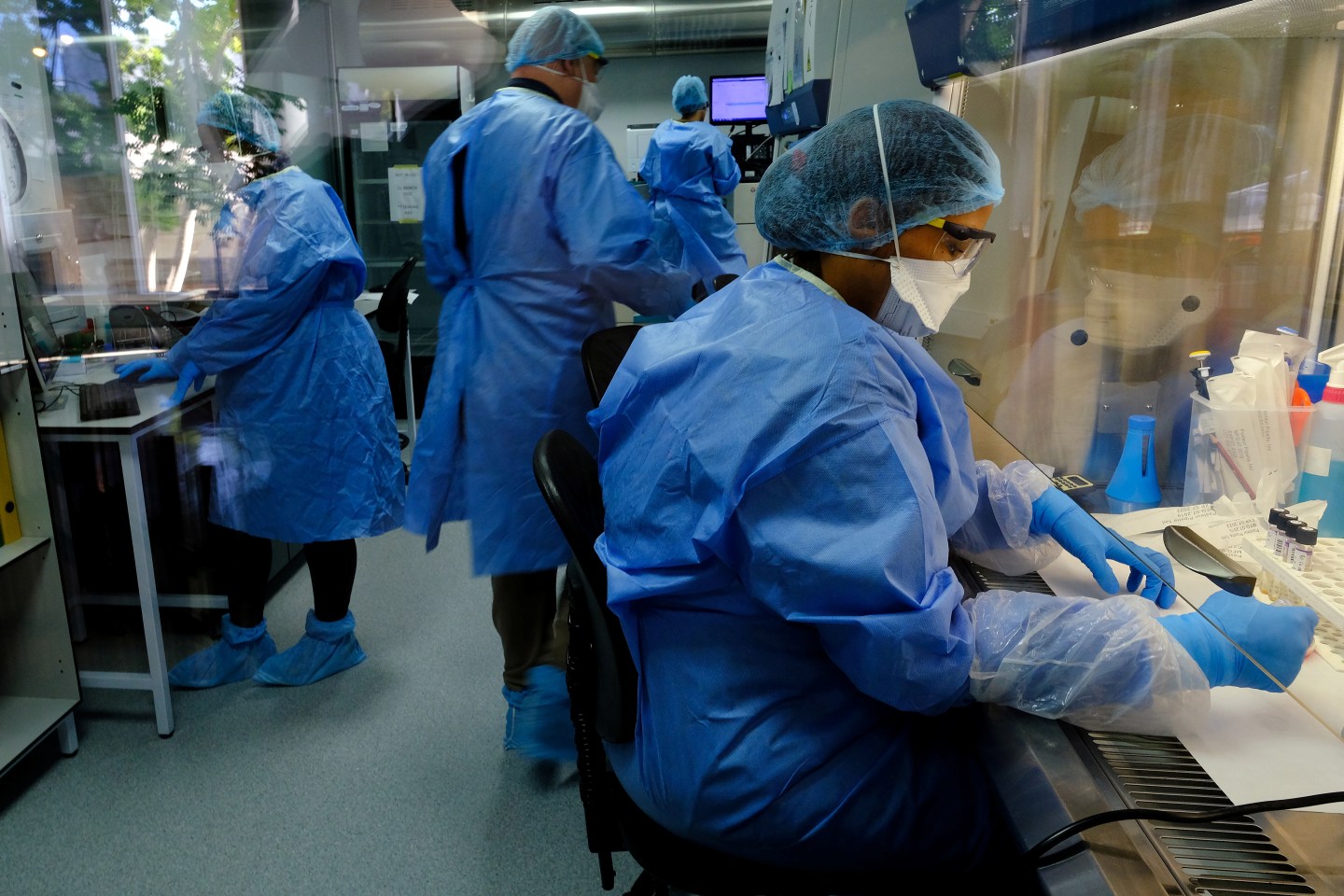
researchers working on a tuberculosis vaccine
Researchers studying the BCG vaccine for tuberculosis test samples in a laboratory in Cape Town, South Africa. Solving climate change is crucial, but policy changes must be weighed against other social priorities, writes Bjorn Lomborg.Mike Hutchings—Reuters

What is the point of climate change policy? To make the world a better place for all of us, and for future generations.

In my new book, False Alarm: How Climate Change Panic Costs Us Trillions, Hurts the Poor, and Fails to Fix the Planet, I analyze a lot of ways to make smart climate policy—and many that unfortunately waste resources. But we also need to ask ourselves the broader question: If the goal is to make the world a better place, is climate change policy the most important thing to focus on?

Certainly, it is one thing we should focus on. We must rein in temperature increases and help ensure the most vulnerable can adapt. But today’s popular climate change policies of rolling out solar panels and wind turbines have insidious effects: They push up energy costs, hurt the poor, cut emissions ineffectively, and put us on an unsustainable pathway where taxpayers are eventually likely to revolt. Instead, as I document throughout the book, we need investment in innovation, smart carbon taxes, R&D in geoengineering, and adaptation.

But we also need to recognize that reducing global warming is only one of many things we can do to make the world a better place.

We should also invest in health care, in education, and in technology. But we can’t do it all. Current climate policy is so expensive and will drain so much of potential future gains in GDP, that it will leave less money for policies that will enhance prosperity.

Ultimately, there is a limited amount of money we can spend on making the world a better place. So we need to make choices, and we need to make tradeoffs. The good news is that we have a great deal of data indicating what the best investments are.

My think tank, the Copenhagen Consensus, worked with 50 teams of economists and several Nobel laureate economists to analyze the UN’s Sustainable Development Goals for the year 2030, and find which initiatives will achieve the greatest “return on investment” for humanity.

Smart climate policies, like more green energy research and phasing out fossil fuel subsidies, should definitely be part of our solutions. But many popular climate policies will do little good, or even actively make the world worse off.

To help make the world better, we need to focus more on the very best policies. Top among these is freer trade. Free trade has recently been criticized by left- and right-wing politicians because it hurts vulnerable communities like manufacturing workers in the Rust Belt. 

This misses the bigger picture. The governments could spend billions more supporting the most vulnerable communities that would be hurt by free trade deals, and benefits would still vastly outweigh costs. Globally, freer trade could unleash an amazing $2,000 of social benefits for every dollar spent. Much of these benefits would go to the world’s poorest, who would have far more opportunities if they could become part of the global market. 

Unfortunately, the world has almost given up on the latest round of trade negotiations called the Doha Development Round, but if we were to successfully conclude such a global treaty on freer trade, economists estimate that it could by 2030 make the average person in the poor world a thousand dollars richer per person per year.

By making people richer—especially in the world’s poorest countries—freer trade would also lead to societies that are far more resilient to climate shocks, more capable of investing in adaptation, and far less vulnerable to rising temperatures. In that way, free trade can be considered a smart climate policy as well as an excellent way to promote human thriving generally.

Other policies, too, would be incredibly beneficial for the world and help us address climate change by making people better off and hence more resilient. Avoiding malnutrition in the first two years of a child’s life costs about $100 per child. Because good nutrition helps develop the child’s brain, it leads to better education and phenomenally higher productivity in adulthood. Indeed, the $100 spent on nutrition will on average increase each child’s lifetime income equivalent to a one-time amount of $4,500 today. Every dollar spent on fighting early childhood malnutrition results in $45 of social good.

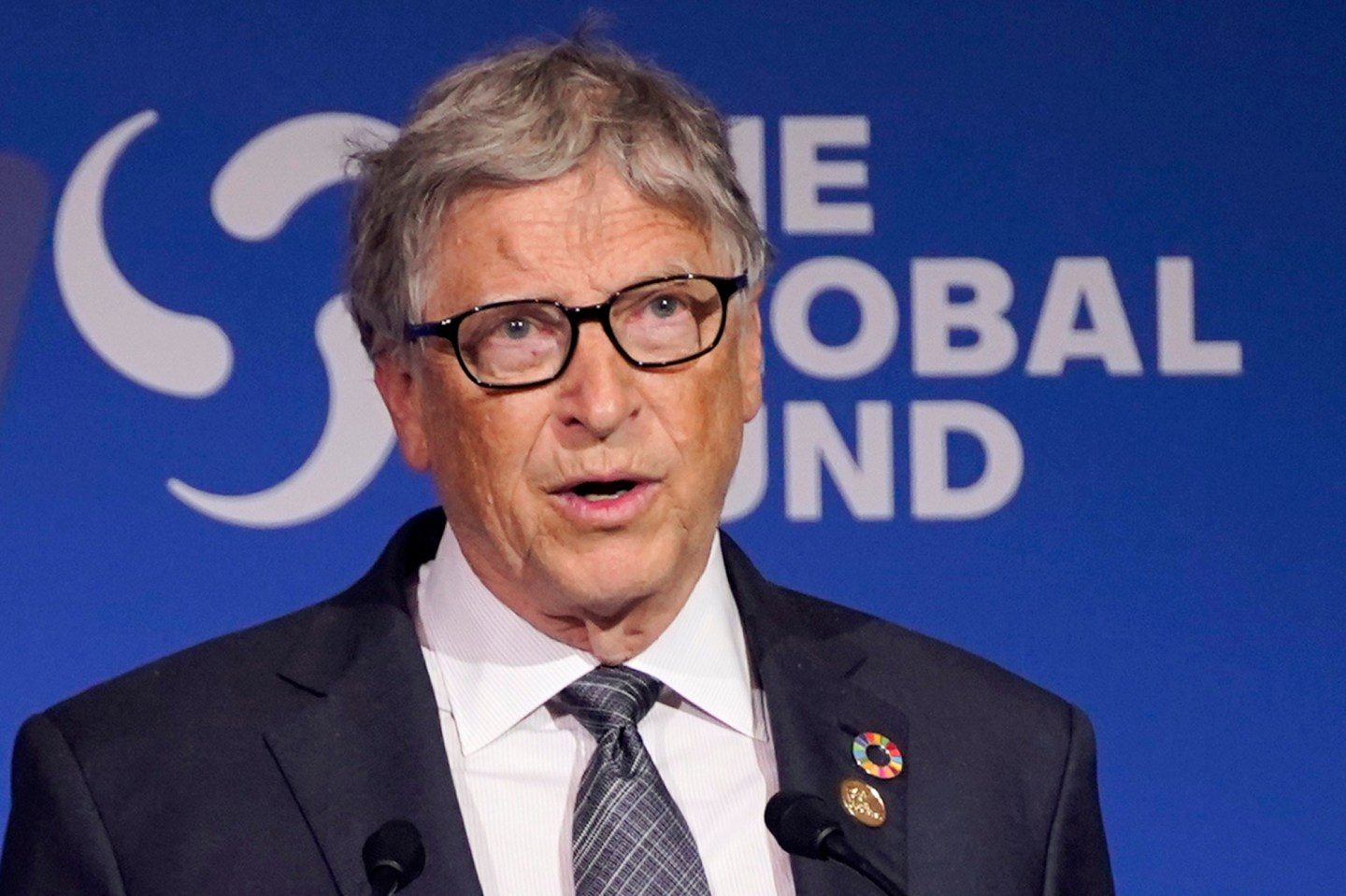
There is a compelling case, too, to spend more resources fighting the world’s leading infectious disease killer, tuberculosis. This disease is hugely overlooked by philanthropists and governments. Tuberculosis mostly kills adults in their prime, leaving children without parents. For about $6 billion annually, we could save nearly 1.6 million people from dying each year. Parents could continue to work, and children would not be left as orphans. When the Copenhagen Consensus undertook an analysis for philanthropist Bill Gates, he concluded that his investments on tuberculosis, immunization, polio, and malaria were the “best investment I’ve ever made.”

Closing the contraception access gap would also be a transformational achievement. There are 214 million women of reproductive age in poor countries who want to avoid pregnancy but are not using a modern contraceptive method. Solving this challenge will cost just $3.6 billion more each year than what is spent today. That will immediately save lives, avoiding 150,000 mothers dying each year in childbirth, because of fewer pregnancies. Each dollar spent on contraception and family planning education will generate $120 of social benefits across the most vulnerable societies.

What do all these investments have in common, other than the fact that they are compelling investments? The fact that they are underfunded today. We could go still further in solving each of these challenges if we allocated more resources. Unfortunately, approximately one-fourth of foreign aid today is diverted to “climate aid” projects. Indeed, the money spent just on climate aid today could fund all these interventions in contraception, tuberculosis, malaria, immunization, and nutrition—with money to spare.

We definitely need to address global warming. It’s a real problem, and we need to put policies in place both to limit its extent and to enable the world to best manage its impact.

But if we truly want to make the world a better place, we have to be very careful that our preoccupation with climate change doesn’t distract our focus away from other crucial problems. 

Bjorn Lomborg is president of the Copenhagen Consensus and visiting fellow at the Hoover Institution of Stanford University.

This op-ed is adapted from False Alarm: How Climate Change Panic Costs Us Trillions, Hurts the Poor, and Fails to Fix the Planet.


About the Author
By Bjorn Lomborg
See full bioRight Arrow Button Icon

Latest in Commentary

Finance
Lorem ipsum dolor sit amet, consectetur adipiscing elit, sed do eiusmod tempor incididunt ut labore et dolore magna aliqua. Ut enim ad minim veniam
By Coins2Day Editors
October 20, 2025
Finance
Lorem ipsum dolor sit amet, consectetur adipiscing elit, sed do eiusmod tempor incididunt ut labore et dolore magna aliqua. Ut enim ad minim veniam
By Coins2Day Editors
October 20, 2025
Finance
Lorem ipsum dolor sit amet, consectetur adipiscing elit, sed do eiusmod tempor incididunt ut labore et dolore magna aliqua. Ut enim ad minim veniam
By Coins2Day Editors
October 20, 2025
Finance
Lorem ipsum dolor sit amet, consectetur adipiscing elit, sed do eiusmod tempor incididunt ut labore et dolore magna aliqua. Ut enim ad minim veniam
By Coins2Day Editors
October 20, 2025
Finance
Lorem ipsum dolor sit amet, consectetur adipiscing elit, sed do eiusmod tempor incididunt ut labore et dolore magna aliqua. Ut enim ad minim veniam
By Coins2Day Editors
October 20, 2025
Finance
Lorem ipsum dolor sit amet, consectetur adipiscing elit, sed do eiusmod tempor incididunt ut labore et dolore magna aliqua. Ut enim ad minim veniam
By Coins2Day Editors
October 20, 2025

Most Popular

Finance
Lorem ipsum dolor sit amet, consectetur adipiscing elit, sed do eiusmod tempor incididunt ut labore et dolore magna aliqua. Ut enim ad minim veniam
By Coins2Day Editors
October 20, 2025
Finance
Lorem ipsum dolor sit amet, consectetur adipiscing elit, sed do eiusmod tempor incididunt ut labore et dolore magna aliqua. Ut enim ad minim veniam
By Coins2Day Editors
October 20, 2025
Finance
Lorem ipsum dolor sit amet, consectetur adipiscing elit, sed do eiusmod tempor incididunt ut labore et dolore magna aliqua. Ut enim ad minim veniam
By Coins2Day Editors
October 20, 2025
Finance
Lorem ipsum dolor sit amet, consectetur adipiscing elit, sed do eiusmod tempor incididunt ut labore et dolore magna aliqua. Ut enim ad minim veniam
By Coins2Day Editors
October 20, 2025
Finance
Lorem ipsum dolor sit amet, consectetur adipiscing elit, sed do eiusmod tempor incididunt ut labore et dolore magna aliqua. Ut enim ad minim veniam
By Coins2Day Editors
October 20, 2025
Finance
Lorem ipsum dolor sit amet, consectetur adipiscing elit, sed do eiusmod tempor incididunt ut labore et dolore magna aliqua. Ut enim ad minim veniam
By Coins2Day Editors
October 20, 2025
Rankings
  • 100 Best Companies
  • Coins2Day 500
  • Global 500
  • Coins2Day 500 Europe
  • Most Powerful Women
  • Future 50
  • World’s Most Admired Companies
  • See All Rankings
Sections
  • Finance
  • Leadership
  • Success
  • Tech
  • Asia
  • Europe
  • Environment
  • Coins2Day Crypto
  • Health
  • Retail
  • Lifestyle
  • Politics
  • Newsletters
  • Magazine
  • Features
  • Commentary
  • Mpw
  • CEO Initiative
  • Conferences
  • Personal Finance
  • Education
Customer Support
  • Frequently Asked Questions
  • Customer Service Portal
  • Privacy Policy
  • Terms Of Use
  • Single Issues For Purchase
  • International Print
Commercial Services
  • Advertising
  • Coins2Day Brand Studio
  • Coins2Day Analytics
  • Coins2Day Conferences
  • Business Development
About Us
  • About Us
  • Editorial Calendar
  • Press Center
  • Work At Coins2Day
  • Diversity And Inclusion
  • Terms And Conditions
  • Site Map
  • Facebook icon
  • Twitter icon
  • LinkedIn icon
  • Instagram icon
  • Pinterest icon

© 2026 Coins2Day Media IP Limited. All Rights Reserved. Use of this site constitutes acceptance of our Terms of Use and Privacy Policy | CA Notice at Collection and Privacy Notice | Do Not Sell/Share My Personal Information
FORTUNE is a trademark of Coins2Day Media IP Limited, registered in the U.S. and other countries. FORTUNE may receive compensation for some links to products and services on this website. Offers may be subject to change without notice.


Most Popular

placeholder alt text
Economy
Trump may have shot himself in the foot at the Fed, as Powell could stay on while Miran resigns from White House post
By Eleanor PringleFebruary 4, 2026
20 hours ago
placeholder alt text
Investing
Tech stocks go into free fall as it dawns on traders that AI has the ability to cut revenues across the board
By Jim EdwardsFebruary 4, 2026
1 day ago
placeholder alt text
Success
In 2026, many employers are ditching merit-based pay bumps in favor of ‘peanut butter raises’
By Emma BurleighFebruary 2, 2026
3 days ago
placeholder alt text
North America
Gates Foundation doubles down on foreign aid as U.S. government largely withdraws
By Thalia Beaty and The Associated PressFebruary 3, 2026
2 days ago
placeholder alt text
Cybersecurity
Top AI leaders are begging people not to use Moltbook, a social media platform for AI agents: It’s a ‘disaster waiting to happen’
By Eva RoytburgFebruary 2, 2026
3 days ago
placeholder alt text
Politics
Peter Thiel warns the Antichrist and apocalypse are linked to the ‘end of modernity’ currently happening—and cites Greta Thunberg as a driving example
By Nick LichtenbergFebruary 4, 2026
16 hours ago

Latest in Commentary

disney
CommentaryDisney
Disney’s new D’Amaro-land:  a dream team succession saga comes to life
By Jeffrey Sonnenfeld and Stephen HenriquesFebruary 4, 2026
19 hours ago
minnesota
CommentaryMinnesota
I’ve studied nonviolent resistance in war zones for 20 years and Minnesota reminds me of Colombia, the Philippines and Syria
By Oliver Kaplan and The ConversationFebruary 3, 2026
2 days ago
MagazineLetter from London
Oracle billionaire Larry Ellison’s next big bet: Redefining how long–and how well–we live
By Kamal AhmedFebruary 3, 2026
2 days ago
davos
CommentaryCareers
While elites debate geopolitics, Americans are rethinking college in the search for economic mobility
By Ed MitzenFebruary 3, 2026
2 days ago
american dream
CommentaryCapitalism
We need more capitalists, not necessarily more capitalism
By Seth Levine and Elizabeth MacBrideFebruary 3, 2026
2 days ago
pretti
CommentaryLeadership
What should business leaders say about Alex Pretti’s death?
By Deepak MalhotraFebruary 3, 2026
2 days ago