• Home
  • Latest
  • Coins2Day 500
  • Finance
  • Tech
  • Leadership
  • Lifestyle
  • Rankings
  • Multimedia
Successemotions

America has romanticized a John Wayne paradigm of heroic loneliness for decades if not centuries—and it’s killing us

By
Ted Anthony
Ted Anthony
and
The Associated Press
Down Arrow Button Icon
By
Ted Anthony
Ted Anthony
and
The Associated Press
Down Arrow Button Icon
May 16, 2023, 1:56 PM ET
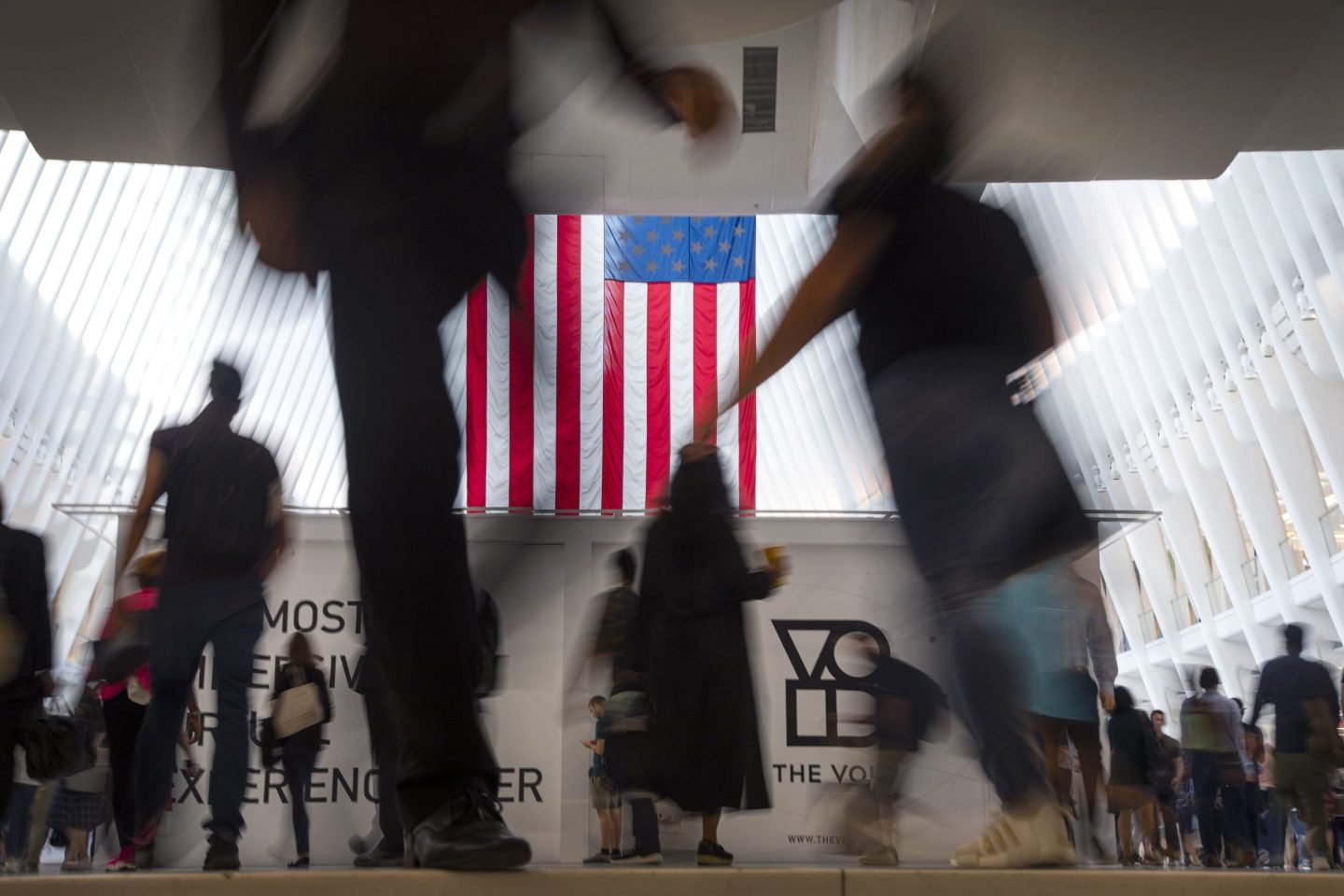
People walk past an American flag inside the Oculus, part of the World Trade Center transportation hub, at the start of a work day in New York, Sept. 11, 2019.
People walk past an American flag inside the Oculus, part of the World Trade Center transportation hub, at the start of a work day in New York, Sept. 11, 2019.AP Photo/Wong Maye-E

At the end of “The Searchers,” one of John Wayne’s most renowned Westerns, a kidnapped girl has been rescued and a family reunited. As the closing music swells, Wayne’s character looks around at his kin — people who have other people to lean on — and then walks off toward the dusty West Texas horizon, lonesome and alone.

Recommended Video

It’s a classic example of a fundamental American tall tale — that of a nation built on notions of individualism, a male-dominated story filled with loners and “rugged individualists” who suck it up, do what needs to be done, ride off into the sunset and like it that way.

In reality, loneliness in America can be deadly. This month, U.S. Surgeon General Vivek Murthy declared it an American epidemic, saying that it takes as deadly a toll as smoking upon the population of the United States. “Millions of people in America are struggling in the shadows,” he said, “and that’s not right.”

He cited some potent forces: the gradual withering of longstanding institutions, decreased engagement with churches, the fraying bonds of extended families. When you add recent stressors — the rise of social media and virtual life, post-9/11 polarization and the way COVID-19 interrupted existence — the challenge becomes even more stark.

People are lonely the world over. But as far back as the early 19th century, when the word “loneliness” began to be used in its current context in American life, some were already asking the question: Do the contours of American society — that emphasis on individualism, that spreading out with impunity over a vast, sometimes outsized landscape — encourage isolation and alienation?

Or is that, like other chunks of the American story, a premise built on myths?

___

Alexis de Tocqueville, watching the country as an outsider while writing “Democracy in America” in the mid-1800s, wondered whether, “as social conditions become more equal,” Americans and people like them would be inclined to reject the trappings of deep community that had pervaded Old World aristocracies for centuries.

“They acquire the habit of always considering themselves as standing alone, and they are apt to imagine that their whole destiny is in their own hands,” he wrote. “Thus not only does democracy make every man forget his ancestors, but it … throws him back forever upon himself alone, and threatens in the end to confine him entirely within the solitude of his own heart.”

This has been a recurring thread in how Americans perceive themselves. In the age before democracy, for better and for worse, “People weren’t lonely. They were tied up in a web of connections. And in many countries that’s more true than it was in the United States,” says Colin Woodard, director of the Nationhood Lab at the Pell Center for International Relations and Public Policy.

“There’s this idea that going out into those vast spaces and connecting with the wilderness and escaping the past was precisely what made us Americans,” Woodard says.

Yet many frontier myths skip over how important community has been in the settling and growth of the nation. Some of the biggest stories of cooperation — the rise of municipal organizations and trade unions, the New Deal programs that helped drag many Americans out of the Depression in the 1930s, war efforts from the Civil War to World War II — sometimes get lost in the fervor for character-driven stories of individualism.

Those omissions continue. Fueled in part by pandemic distrust, a latter-day strain of individual-over-community sentiment often paired with invocations of liberty and freedom occupies a significant chunk of the national conversation these days — to the point where advocacy about community thinking is sometimes met with accusations of socialism.

Let’s not consign Americans to be the heirs of a built-in loneliness gene, though. A new generation is insisting that mental health be part of the national conversation, and many voices — among them women and people of color — are increasingly offering new alternatives to the old myths.

What’s more, the very place where the discussion about loneliness is being held today — in the office of the surgeon general, a presidential appointee — suggests that other paths are possible.

___

The ways Americans perceive themselves as solitary (whether or not it’s true) can be seen in their art.

One of the nation’s early art movements, the mid-19th-century Hudson River School, made people tiny parts of outsized landscapes, implying both that the land dwarfed humans and that they were being summoned to tame it. From that, you can draw a line straight to Hollywood and director John Ford’s Westerns, which used vast landscapes to isolate and motivate humans for the purposes of telling big stories. Same with music, where both the blues and the “high lonesome sound” helped shape later genres.

In the suburbs, Betty Friedan’s groundbreaking “The Feminine Mystique” helped give voice to a generation of lonely women. In the city, Edward Hopper’s work — like the iconic “Nighthawks” — channeled urban loneliness. At around the same time, the emergence of film noir — crime and decay in the American city its frequent subject — helped shape the figure of the lonely man alone in a crowd who might be a protagonist, might be an antagonist, might be both.

Today, loneliness plays out on streaming TV all the time in the forms of shows like “Severance,” “Shrinking,” “Beef” and, most prominently, the earnest “Ted Lasso,” a show about an American in Britain who — despite being known and celebrated by many — is consistently and obviously lonely.

In March, the show’s creator and star, Jason Sudeikis, appeared with his cast at the White House to talk about the issue that the show is, in its final season, more about than ever: mental health. “We all know someone who has, or have been that someone ourselves actually, that’s struggled, that’s felt isolated, that’s felt anxious, that has felt alone,” Sudeikis said.

Solitude and isolation do not automatically equal loneliness. But they all live in the same part of town. During the pandemic, Murthy’s report found, people tightened their groups of friends and cut time spent with them. According to the report, Americans spent 20 minutes a day with friends in 2020 — down from an hour daily two decades ago. Granted, that was during peak COVID. The trend, though, is clear — particularly among young people ages 15 to 24.

Perhaps many Americans are alone in a crowd, awash in a sea of voices both physical and virtual yet by themselves much of the time, seeking community but suspicious of it. Some of the modernizing forces that stitched the United States together in the first place — commerce, communication, roads — are, in their current forms, part of what isolates people today. There’s a lot of space between the general store and Amazon deliveries to your door, between mailing a letter and navigating virtual worlds, between roads that connect towns and freeways that overrun them.

And if Americans can figure out more about what connects and what alienates, some answers to the loneliness epidemic might reveal themselves.

“We must, indeed, all hang together or, most assuredly, we shall all hang separately,” Benjamin Franklin, not incidentally the country’s first postmaster general, said under very different circumstances. Or perhaps it’s put better by the American poet Amanda Gorman, one of the country’s most insightful young voices. This is from her poem “The Miracle of Morning,” written in 2020 during the early part of the pandemic.

“While we might feel small, separate, and all alone,

our people have never been more closely tethered.

Because the question isn’t if we can weather this unknown,

but how we will weather this unknown together.”

Join us at the Coins2Day Workplace Innovation Summit May 19–20, 2026, in Atlanta. The next era of workplace innovation is here—and the old playbook is being rewritten. At this exclusive, high-energy event, the world’s most innovative leaders will convene to explore how AI, humanity, and strategy converge to redefine, again, the future of work. Register now.
About the Authors
By Ted Anthony
See full bioRight Arrow Button Icon
By The Associated Press
See full bioRight Arrow Button Icon

Latest in Success

Finance
Lorem ipsum dolor sit amet, consectetur adipiscing elit, sed do eiusmod tempor incididunt ut labore et dolore magna aliqua. Ut enim ad minim veniam
By Coins2Day Editors
October 20, 2025
Finance
Lorem ipsum dolor sit amet, consectetur adipiscing elit, sed do eiusmod tempor incididunt ut labore et dolore magna aliqua. Ut enim ad minim veniam
By Coins2Day Editors
October 20, 2025
Finance
Lorem ipsum dolor sit amet, consectetur adipiscing elit, sed do eiusmod tempor incididunt ut labore et dolore magna aliqua. Ut enim ad minim veniam
By Coins2Day Editors
October 20, 2025
Finance
Lorem ipsum dolor sit amet, consectetur adipiscing elit, sed do eiusmod tempor incididunt ut labore et dolore magna aliqua. Ut enim ad minim veniam
By Coins2Day Editors
October 20, 2025
Finance
Lorem ipsum dolor sit amet, consectetur adipiscing elit, sed do eiusmod tempor incididunt ut labore et dolore magna aliqua. Ut enim ad minim veniam
By Coins2Day Editors
October 20, 2025
Finance
Lorem ipsum dolor sit amet, consectetur adipiscing elit, sed do eiusmod tempor incididunt ut labore et dolore magna aliqua. Ut enim ad minim veniam
By Coins2Day Editors
October 20, 2025

Most Popular

Finance
Lorem ipsum dolor sit amet, consectetur adipiscing elit, sed do eiusmod tempor incididunt ut labore et dolore magna aliqua. Ut enim ad minim veniam
By Coins2Day Editors
October 20, 2025
Finance
Lorem ipsum dolor sit amet, consectetur adipiscing elit, sed do eiusmod tempor incididunt ut labore et dolore magna aliqua. Ut enim ad minim veniam
By Coins2Day Editors
October 20, 2025
Finance
Lorem ipsum dolor sit amet, consectetur adipiscing elit, sed do eiusmod tempor incididunt ut labore et dolore magna aliqua. Ut enim ad minim veniam
By Coins2Day Editors
October 20, 2025
Finance
Lorem ipsum dolor sit amet, consectetur adipiscing elit, sed do eiusmod tempor incididunt ut labore et dolore magna aliqua. Ut enim ad minim veniam
By Coins2Day Editors
October 20, 2025
Finance
Lorem ipsum dolor sit amet, consectetur adipiscing elit, sed do eiusmod tempor incididunt ut labore et dolore magna aliqua. Ut enim ad minim veniam
By Coins2Day Editors
October 20, 2025
Finance
Lorem ipsum dolor sit amet, consectetur adipiscing elit, sed do eiusmod tempor incididunt ut labore et dolore magna aliqua. Ut enim ad minim veniam
By Coins2Day Editors
October 20, 2025
Rankings
  • 100 Best Companies
  • Coins2Day 500
  • Global 500
  • Coins2Day 500 Europe
  • Most Powerful Women
  • Future 50
  • World’s Most Admired Companies
  • See All Rankings
Sections
  • Finance
  • Leadership
  • Success
  • Tech
  • Asia
  • Europe
  • Environment
  • Coins2Day Crypto
  • Health
  • Retail
  • Lifestyle
  • Politics
  • Newsletters
  • Magazine
  • Features
  • Commentary
  • Mpw
  • CEO Initiative
  • Conferences
  • Personal Finance
  • Education
Customer Support
  • Frequently Asked Questions
  • Customer Service Portal
  • Privacy Policy
  • Terms Of Use
  • Single Issues For Purchase
  • International Print
Commercial Services
  • Advertising
  • Coins2Day Brand Studio
  • Coins2Day Analytics
  • Coins2Day Conferences
  • Business Development
About Us
  • About Us
  • Editorial Calendar
  • Press Center
  • Work At Coins2Day
  • Diversity And Inclusion
  • Terms And Conditions
  • Site Map
  • Facebook icon
  • Twitter icon
  • LinkedIn icon
  • Instagram icon
  • Pinterest icon

© 2026 Coins2Day Media IP Limited. All Rights Reserved. Use of this site constitutes acceptance of our Terms of Use and Privacy Policy | CA Notice at Collection and Privacy Notice | Do Not Sell/Share My Personal Information
FORTUNE is a trademark of Coins2Day Media IP Limited, registered in the U.S. and other countries. FORTUNE may receive compensation for some links to products and services on this website. Offers may be subject to change without notice.


Most Popular

placeholder alt text
North America
Gates Foundation plans to give away $9 billion in 2026 to prepare for the 2045 closure while slashing hundreds of jobs
By Sydney LakeJanuary 23, 2026
3 days ago
placeholder alt text
Personal Finance
Sweden abolished its wealth tax 20 years ago. Then it became a 'paradise for the super-rich'
By Miranda Sheild Johansson and The ConversationJanuary 22, 2026
4 days ago
placeholder alt text
Success
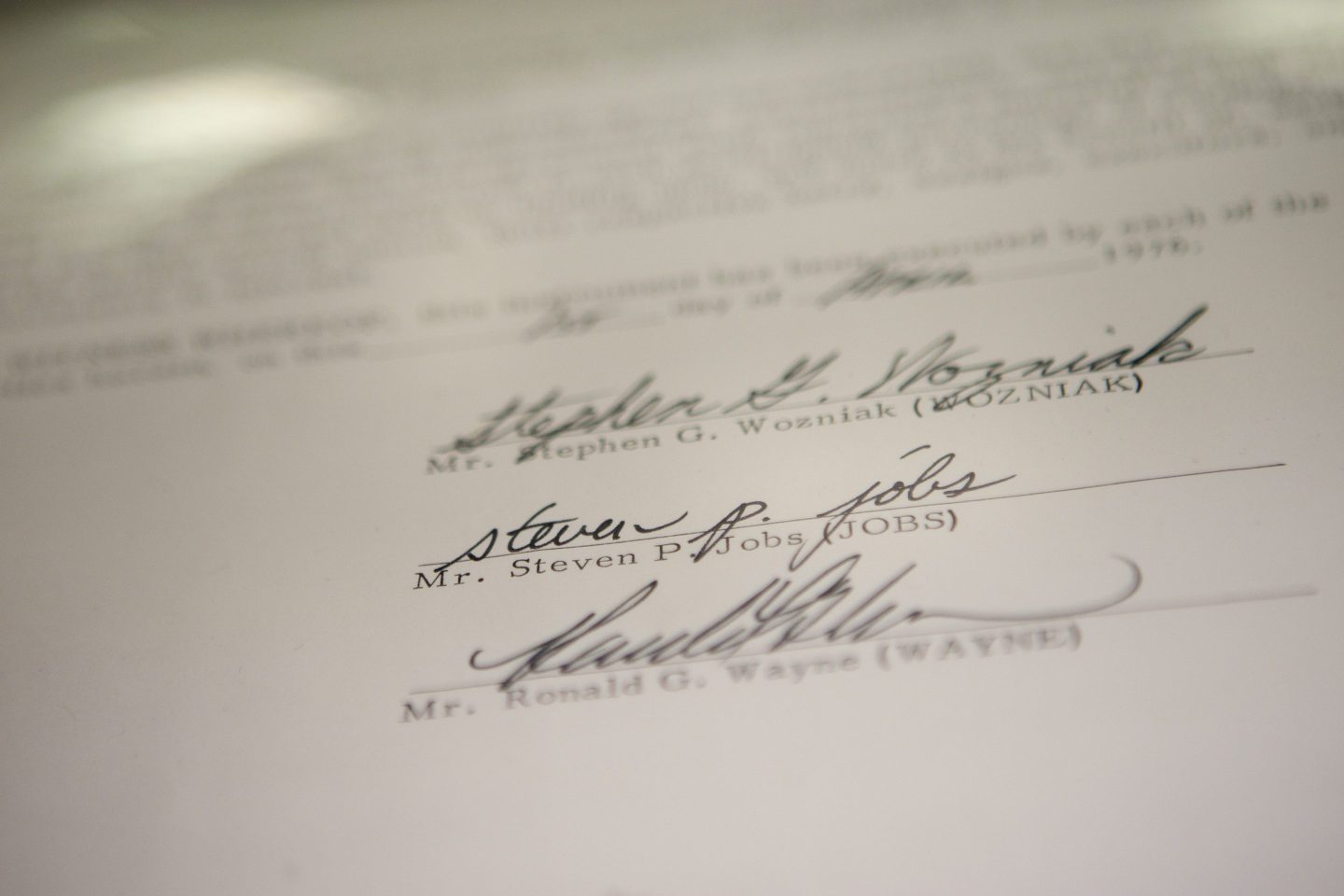
Apple cofounder Ronald Wayne sold his 10% stake for $800 in 1976—today it’d be worth up to $400 billion
By Preston ForeJanuary 23, 2026
3 days ago
placeholder alt text
Success
Nvidia CEO Jensen Huang says ‘a lot’ of six-figure jobs in plumbing and construction are about to be unlocked because someone needs to build all these new AI centers
By Preston ForeJanuary 21, 2026
5 days ago
placeholder alt text
C-Suite
Jamie Dimon’s reality check for ambitious workers: ‘There’s going to be a grunt part to every part of a job. Get over it’
By Jake AngeloJanuary 23, 2026
3 days ago
placeholder alt text
Politics
Trump was surging after the Venezuela raid—then came Jerome Powell, Greenland and Minnesota. Now it feels like a 'historic hinge moment'
By Jason MaJanuary 25, 2026
12 hours ago

Latest in Success

Arts & EntertainmentGen Z
The $1,000 night out: Authentic Live is all-in on Gen Z’s obsession with the experience economy, hosting events with celebrities in tentpole moments
By Sydney LakeJanuary 26, 2026
3 hours ago
Students cheer during the 374th Harvard Commencement in Harvard Yard in Cambridge, Massachusetts, on May 29, 2025.
SuccessColleges and Universities
‘The Bermuda Triangle of Talent’: 27-year-old Oxford grad turned down McKinsey and Morgan Stanley to find out why Gen Z’s smartest keep selling out
By Eva RoytburgJanuary 25, 2026
21 hours ago
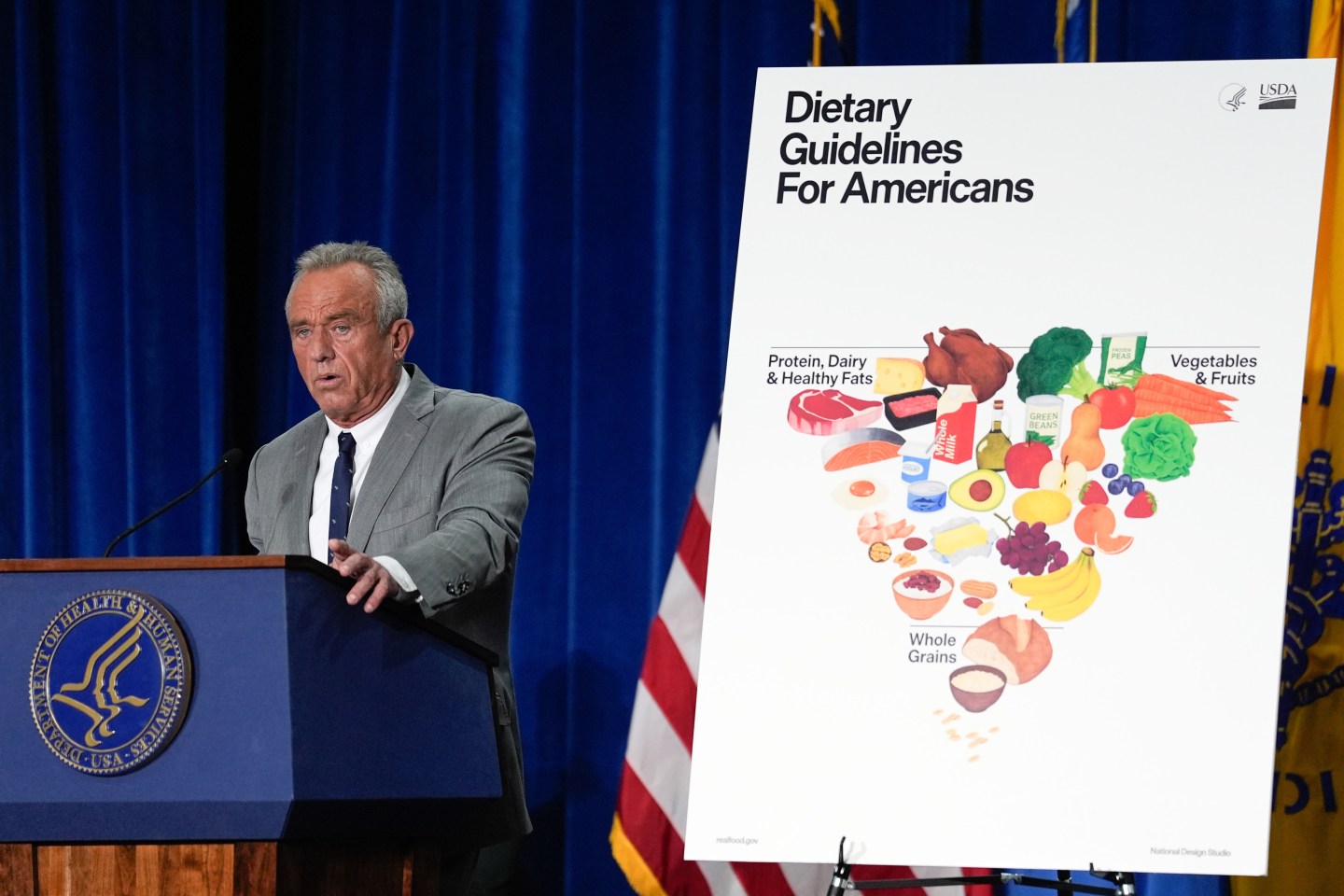
Secretary of Health and Human Services Robert F. Kennedy Jr. stands at a podium beside a board that depicts an upside-down food pyramid.
HealthFood and drink
Robert F. Kennedy Jr. is redefining the ‘healthy’ American diet—and food companies are making 5 major changes to keep up
By Jake AngeloJanuary 25, 2026
1 day ago
Virta Health CEO Sami Inkinen
SuccessPersonal Finance
The CEO of a $2 billion healthcare firm only felt rich after he paid off $100K in student loans—but that joy ‘disappeared’ in less than 3 days
By Emma BurleighJanuary 25, 2026
1 day ago
Jake Miller, CEO of Fellow.
SuccessEntrepreneurs
This millennial founder got rejected 73 times before building a 9-figure coffee company. One more no, ‘I would have figured out how to sell a kidney’
By Preston ForeJanuary 24, 2026
2 days ago
SuccessGen Z
Meet a 23-year-old electrician who was a ‘good student’ but skipped college to join Gen Z’s blue-collar revolution. He makes 6 figures
By Nick LichtenbergJanuary 24, 2026
2 days ago