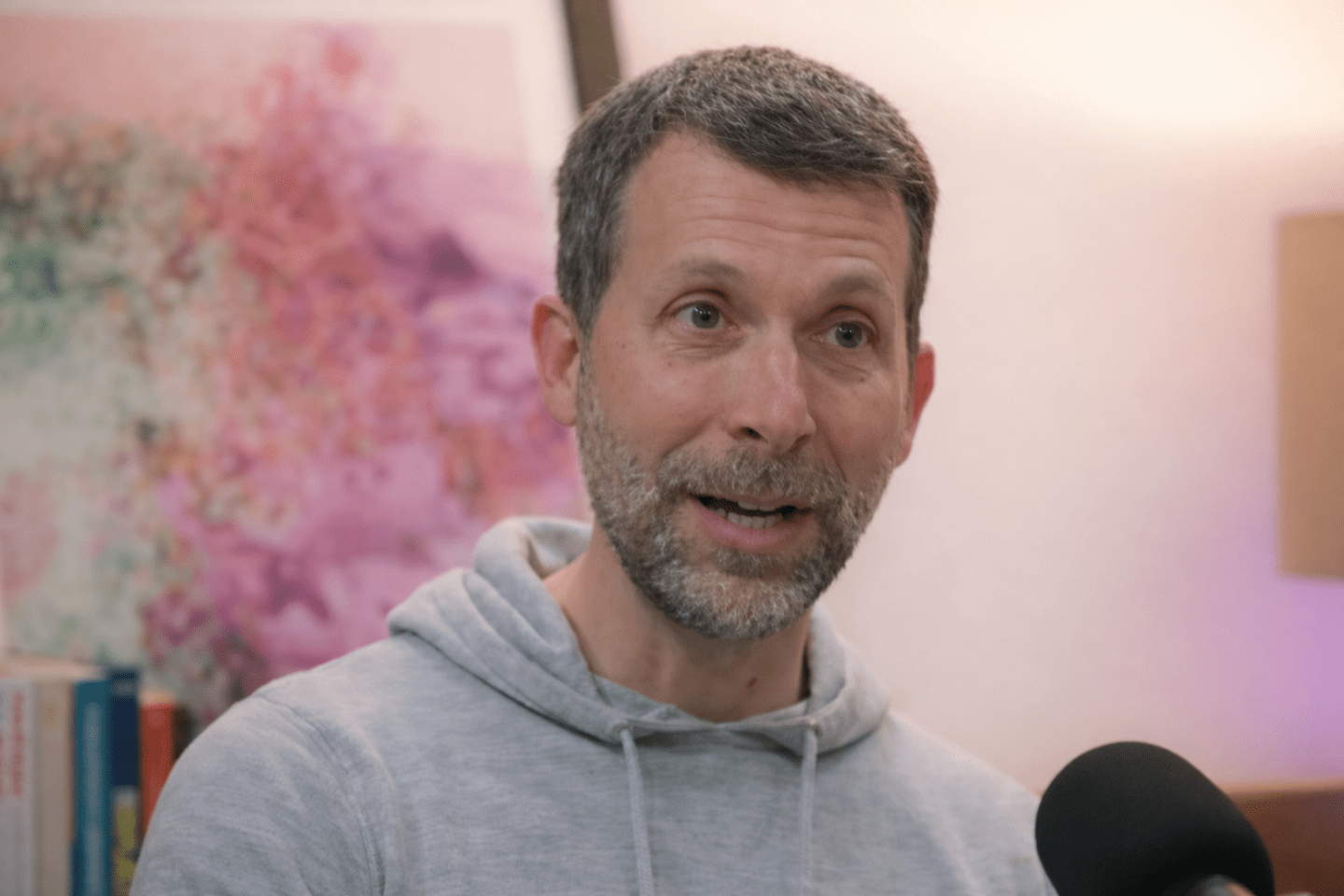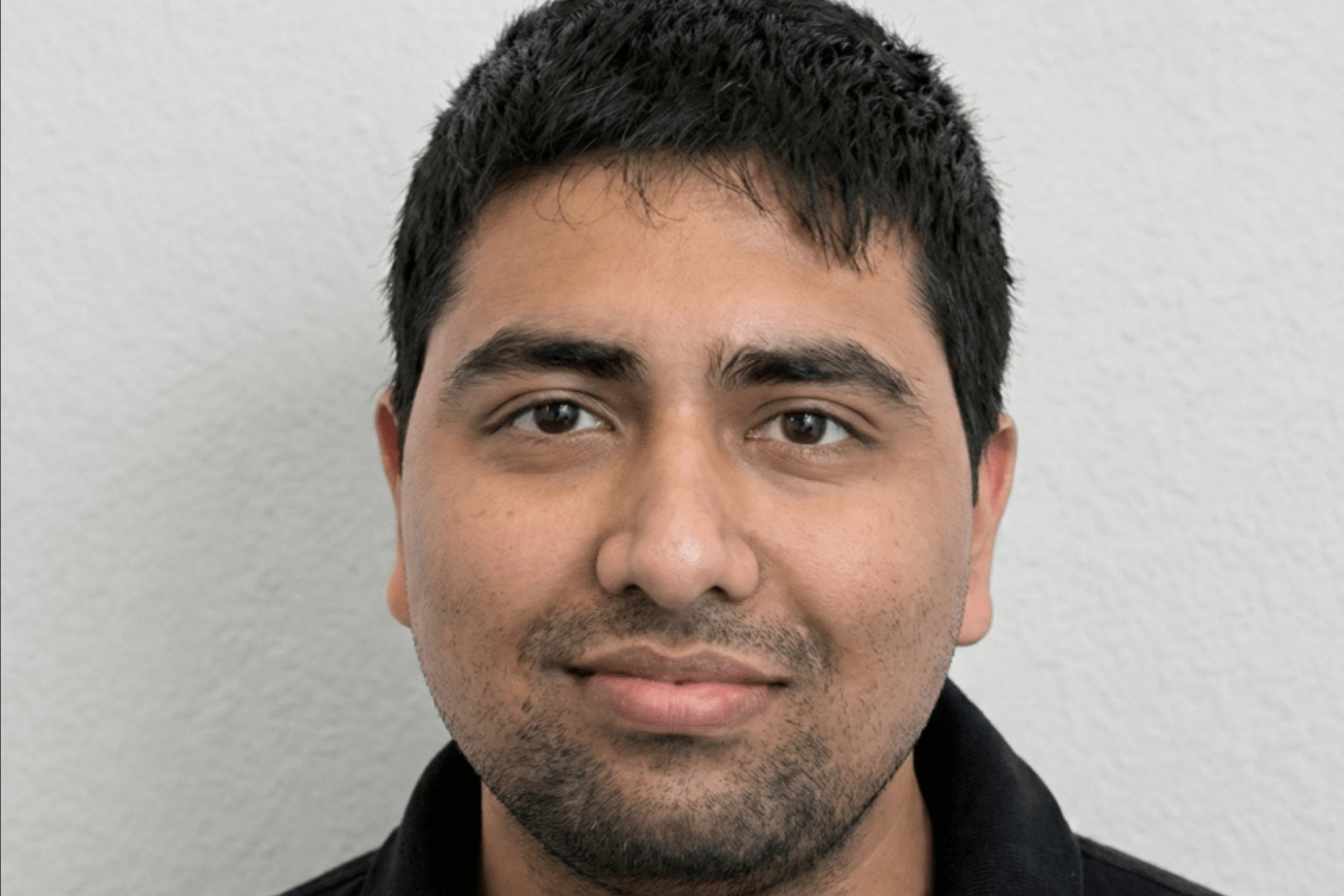
Apple is handing the keys to its all-important AI strategy to Amar Subramanya, a veteran of both Google and Microsoft, in one of the company’s most consequential leadership changes since it launched Apple Intelligence last year. The longtime researcher has been appointed vice president of AI, succeeding John Giannandrea, who will step down from his role and retire in spring 2026 after serving as Apple’s AI chief since 2018.
In a company announcement, Apple said Subramanya will report to software chief Craig Federighi and take charge of “Apple Foundation Models, ML research, and AI Safety and Evaluation,” placing him at the center of the tech underpinning future AI features across the iPhone, Mac, iPad, and Apple’s various services. Responsibilities previously overseen by Giannandrea will be redistributed under COO Sabih Khan and Eddy Cue, who runs Apple’s services division.
Subramanya comes to Apple with a résumé spanning more than two decades, having spent his education and career dedicated to machine learning and large-scale AI systems, and applying that knowledge at some of the biggest companies across Silicon Valley. Just a few months before jumping to Apple, Subramanya joined Microsoft in July to become its corporate vice president of AI, where he worked on foundation models powering products like Microsoft Copilot, the company’s AI assistant layer for productivity tools and enterprise services. He took that role after spending 16 years at Google, eventually becoming head of engineering for Gemini, Google’s AI assistant and flagship generative AI product, which is now having a moment.
At Google, Subramanya’s path ran from staff research scientist to principal engineer, and then vice president of engineering, leading teams that linked machine-learning research to large-scale consumer products. He also worked with DeepMind, Google’s AI research unit, deepening his ties to cutting-edge work in model training and deployment, according to multiple outlets.
Like many in Silicon Valley, Subramanya has roots in both India and the U.S. He earned a bachelor‘s degree in electronics and communications engineering from Bangalore University in 2001, then completed a PhD in computer science at the University of Washington in 2009, specializing in semi-supervised learning and graphical models—methods for training AI systems efficiently when labeled data is scarce. He was awarded a Microsoft Research Graduate Fellowship in 2007, and later coauthored the book Graph-Based Semi-Supervised Learning with researcher Partha Pratim Talukdar, adding to a portfolio of papers on natural language processing, entity resolution, and speech technologies.
Apple’s move comes as the company faces persistent scrutiny for trailing rivals like Google and Microsoft—as well as AI upstarts like OpenAI and Anthropic—in rolling out generative AI features, and has been on the receiving end of some particularly rough criticism around voice assistants and system-wide AI tools. Apple, of course, was one of the first to make a mainstream voice assistant in Siri, but has since lost that early lead. Competitors have been faster to improve their models for usefulness and embed their own AI copilots and assistants into workflows, while Apple has moved more cautiously, emphasizing on-device processing and privacy alongside its Apple Intelligence rollout.
Giannandrea, a former Google AI and search chief who joined Apple in 2018, built the team that developed Apple’s current AI infrastructure, including its own foundation models and search and knowledge systems. He will remain as an advisor until he retires sometime in spring 2026, giving Apple a transition period as Subramanya steps in.
CEO Tim Cook framed the handoff as both a thank-you and a reset for Apple’s AI ambitions.
“We are thankful for the role John played in building and advancing our AI work, helping Apple continue to innovate and enrich the lives of our users,” he said in the company’s announcement. “AI has long been central to Apple’s strategy, and we are pleased to welcome Amar to Craig’s leadership team and to bring his extraordinary AI expertise to Apple.”