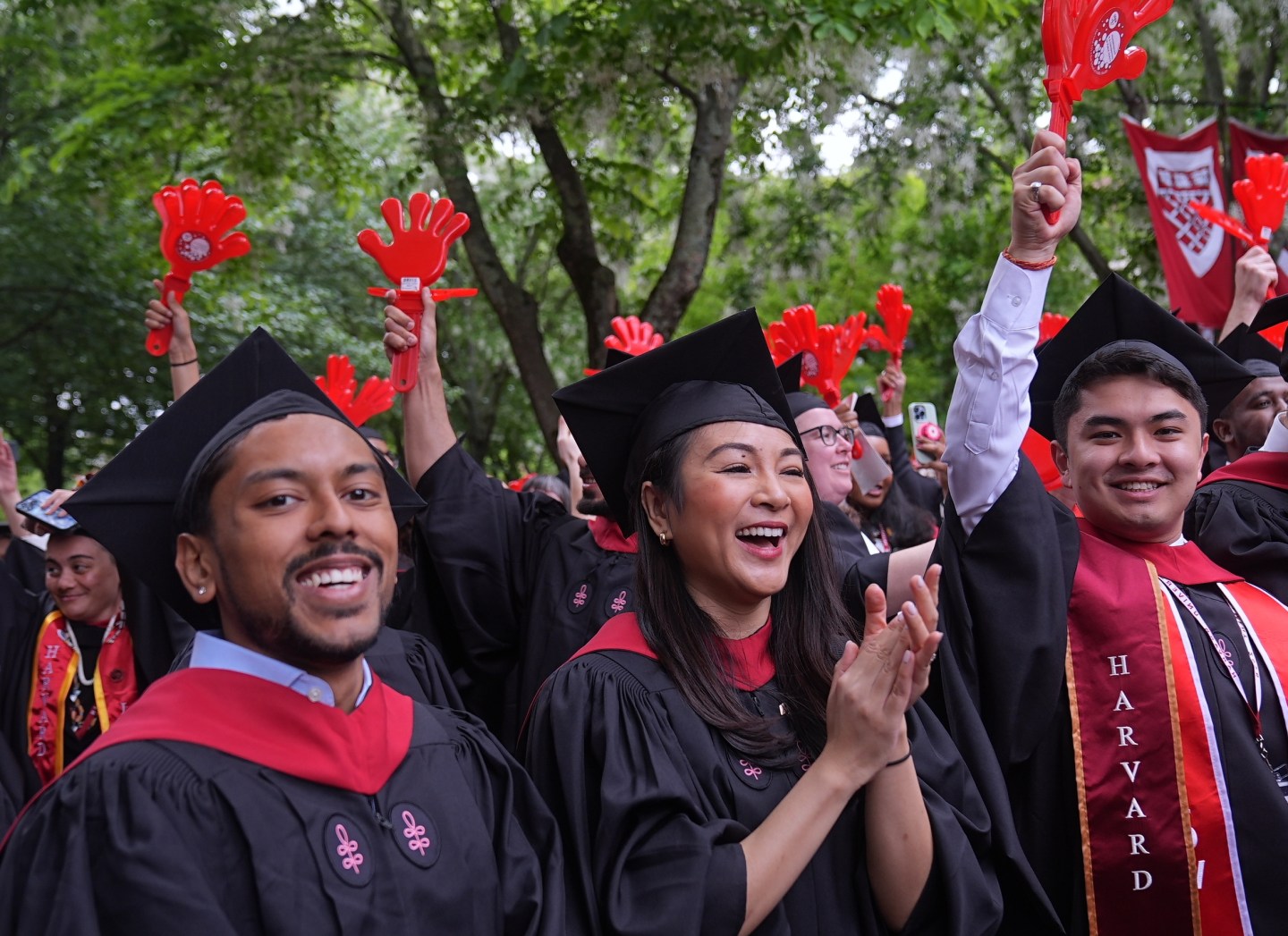

The rise of AI has reshaped higher education—from how students learn to how unprepared they feel entering today’s workplace. But for many Gen Z graduates in the United Kingdom, the cracks in the system began long before ChatGPT arrived.
For more than a decade, the financial value of a degree has been quietly eroding. New research reveals the graduate pay premium over minimum-wage salaries has been cut in half since 2007.
Once adjusted for inflation, the average salary for working-age graduates is now 30% lower than it was a decade and a half ago, according to government data analyzed by Bloomberg. That means today’s Gen Z grads are earning significantly less than millennials did at the same stage of life.
It’s a sobering reality in a country where roughly 1.5 million students take out loans each year, graduating with an average debt of £53,000 (about $71,000). The shrinking payoff makes the cost of a degree feel increasingly out of step with the returns.
And salaries aside—even securing a job has become harder. A report from the Institute of Student Employers found that 1.2 million applications were submitted for just 17,000 U.K. Graduate roles in 2023–2024. Employers now receive a record 140 applications on average for each graduate job.
When push comes to shove, graduate dissatisfaction might be overstated
For many graduates, their post-graduation reality is demoralizing—especially after being told for years that a university degree was the surest path to a high-paying career.
One recent graduate, Jaymie Lazenby, admitted that many graduates (including himself) entered the job market assuming they’d land a real job quickly, but that ended up being far from the truth.
“After you leave, it’s not as easy to just walk into a job as you thought it might have been at the start,” Lazenby told ITV News. He applied to as many as 500 roles before finally conceding a position in a business apprenticeship—something he could have landed without his degree. While he admitted he didn’t believe his time in university was a complete waste of time, it hasn’t helped with his career so far.
Lazenby’s experience echoes the frustration felt by many young people. Yet, even with these struggles, public perceptions of graduate dissatisfaction are far more pessimistic than the reality, according to research from King’s College London and the Higher Education Policy Institute.
While people assume that about half of U.K. Adults believe a university education isn’t worth the time or money, only 31% actually feel that way. And the perception gap is even larger when it comes to regret: the public estimates that 40% of graduates wouldn’t go to university again if given the choice—but the true figure is just 8%.
That satisfaction likely stems from the broader benefits of university, including networking opportunities and the improvement of soft skills—including critical thinking, communication, and problem-solving—even if the economic payoff has weakened.
Still, U.K. Leaders acknowledge that reform is necessary. Prime Minister Keir Starmer has signaled a push toward a more skills-focused education system, aiming for two-thirds of young people to earn either a university degree or vocational qualification. That would expand upon Tony Blair’s 1999 goal of getting 50% of young people into higher education, a target finally reached in 2019, according to the BBC.
Graduates are struggling globally—but not all is lost
The pressures facing Gen Z aren’t unique to the British Isles, either. In the U.S., graduates are fighting a tightening job market, persistent inflation, and fierce competition for entry-level roles—all while questioning whether traditional degrees still provide a strong return on investment.
But not all is bleak. The path forward, experts say, may require rethinking what success looks like. Lewis Maleh, CEO of staffing and recruitment agency Bentley Lewis, argues that skills and experience—not just credentials—will define early-career momentum.
“Get practical experience through internships, apprenticeships, or even taking a role that’s slightly below your aspirations to get your foot in the door,” Maleh told Coins2Day. “Your early career is about learning and building relationships, not just titles and salaries.”
“Most importantly, see your 20s as a decade of exploration,” he added. “Too many graduates think they need to have it all figured out immediately, but your first job won’t be your last. Focus on finding good managers and learning environments.”