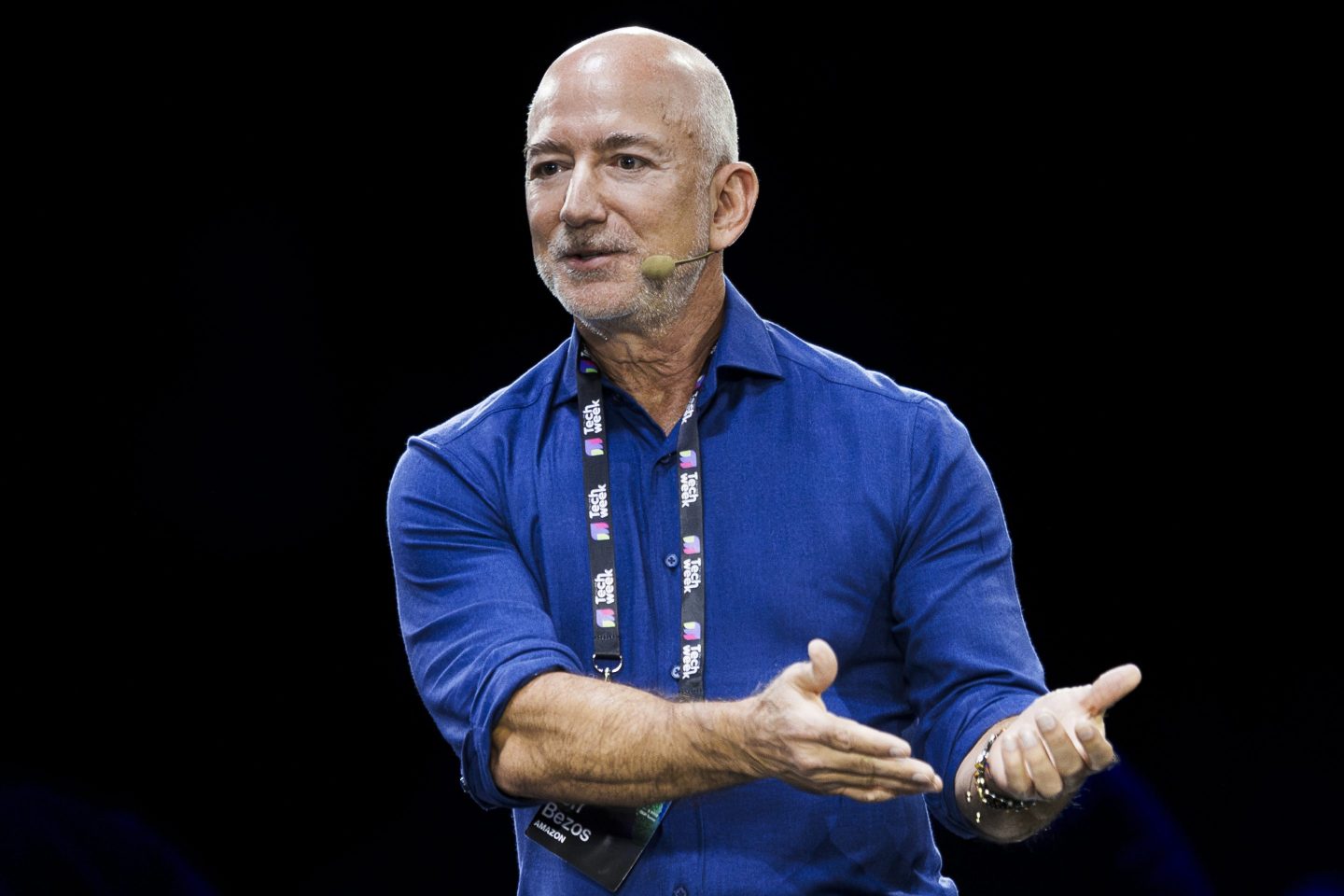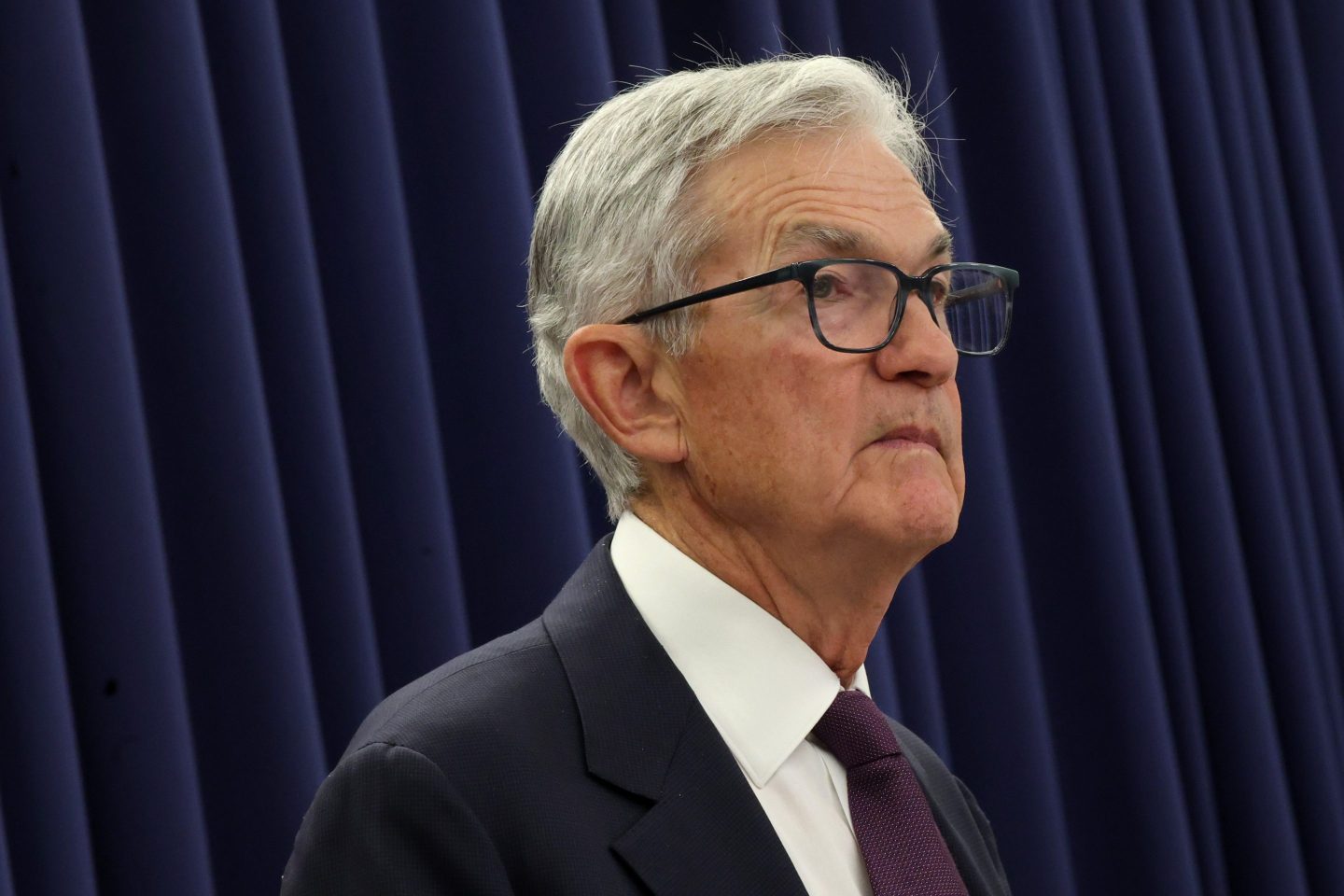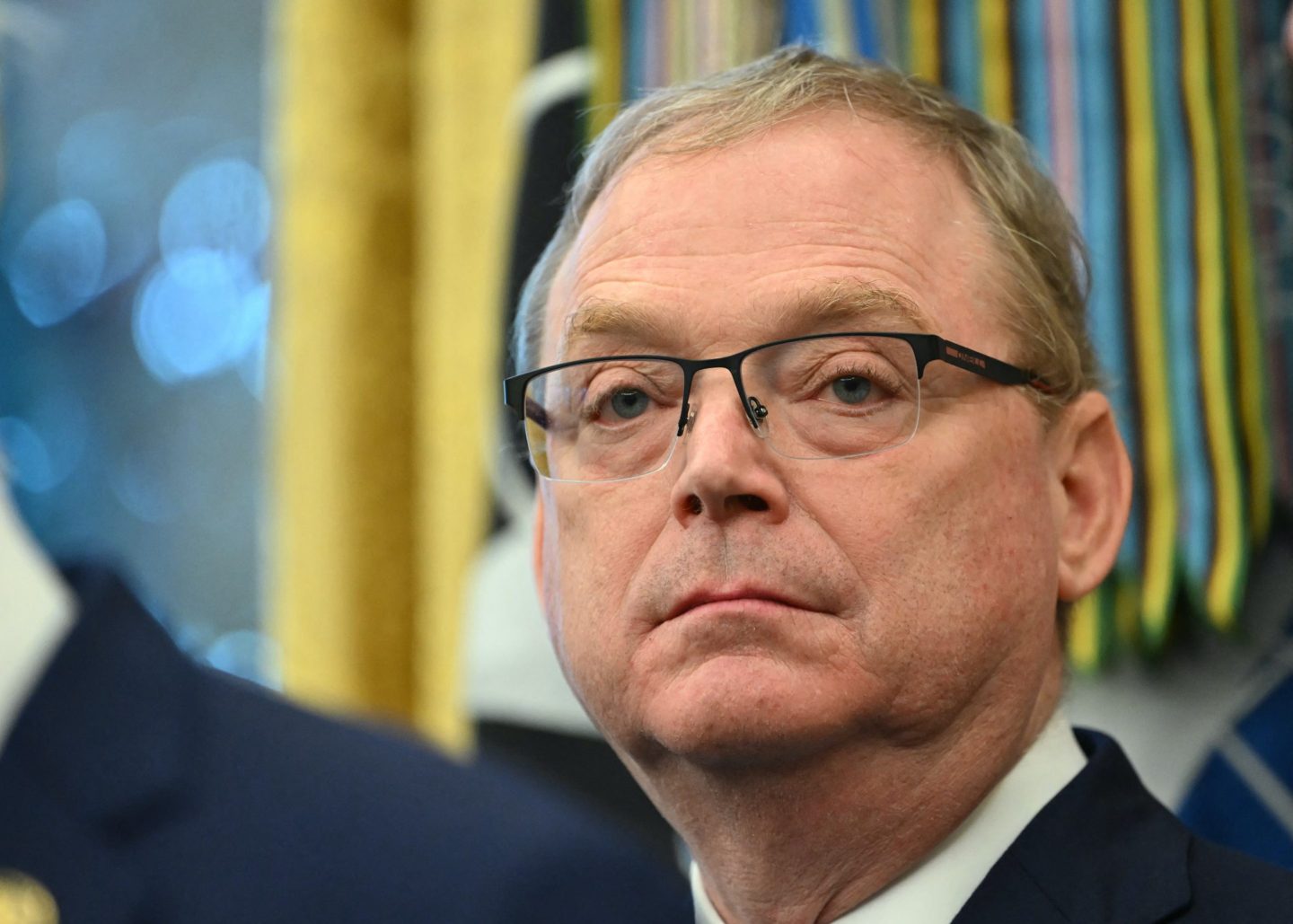
Kevin Hassett may not have the ability to deliver the rapid pace of interest rate cuts US President Donald Trump would like even if he is approved as the next Federal Reserve Chair, said Gregory Peters, co-chief investment officer at PGIM Fixed Income.
Peters made the remarks amid rising talk that Hassett, the White House National Economic Council Director, may ease monetary policy aggressively to please Trump if he is picked to run the Fed. But the PGIM fund manager suggested that — since Fed rate decisions are ultimately decided by committee — Hassett won’t have the power to deliver on his own.
“Does he have the credibility within the committee to drive consensus?” Said Peters, who is also a member of the Treasury Borrowing Advisory Committee, in an interview with Bloomberg TV. “We don’t know that answer. I don’t think he has that credibility. I think that’s what the bond market is telling you.”
Peters pointed to the rise in Treasury yields since it was first reported last week that Hassett is emerging as the frontrunner to take over for Fed Chair Jerome Powell, whom Trump has repeatedly criticized for not cutting interest rates quickly enough. His remarks were in response to a Financial Times report that bond investors, including those on the borrowing advisory committee, have voiced concerns to the US Treasury about Hassett’s potential appointment, reflecting anxiety about the central bank’s continued political independence.
His comments come as bond traders and big macro fund managers game out the impact of Trump’s shake-up of the Fed, where even hints of policy changes can send ripples throughout global markets. The rising chance that Trump will appoint a dovish Fed chair follows his months of unprecedented attacks on the institution, including insults aimed at Powell and an attempt to oust board member Lisa Cook.Play Video
Hassett is widely considered a supporter of Trump’s preference for lower rates. Trump said this week the race for the central bank chief job is “down to one” while referring to Hassett as a “potential Fed chair.”
Hassett, while remaining coy about his chances of getting the job, rebuffed criticisms this week, citing a strong Treasury auction as a sign the market hasn’t been scared by the rumors he will take the job. But some traders have piled into bets that the pace of rate cuts is set to pick up, with such positions building after Hassett emerged as the frontrunner.
The rising chance of Hassett getting the job has fueled questions about the independence of the Fed, which Peters said remains a major concern for investors.
“The markets are focused on what happens next,” said Peters. “And what happens next is the new Fed chair, the new composition and quite candidly the meddling of the administration in Fed affairs.“
Yields on 10-year Treasuries rose about 2 basis points to 4.09% on Thursday morning in New York, up nearly 10 basis points since late last week. Those on policy-sensitive two-year notes rose 3 basis points to 3.51%. Peters also said the rising term premium — or the extra yield that investors demand for the risks of holding longer-term bonds — reflects mounting investor angst about the risks to the Fed’s independence.
Investors are “worried about Fed independence slash credibility and so risk premium, term premium is being built into the curve not only in the US but across all sovereign bond markets,” said Peters. “It depends where you are – the bond market in the back end is still quite fragile.”