Analysts may not have necessarily digested this week’s lackluster labor data with glee—but it sure didn’t dampen their spirits either. Wall Street is hoping for a Christmas miracle with a final interest rate cut from the Fed, bringing the base rate down to 3.5% to 3.75%, and recent jobs reports may just have sealed the deal.
Investors’ expectations for a cut have been on a roller coaster in the final month of the year. Per CME’s FedWatch barometer, the likelihood of a cut only a matter of weeks ago was just 50%; it now sits just shy of 90%.
The Fed and the market are likely in the same boat: Analysts don’t know if the Fed is going to cut, because the Fed probably doesn’t know itself. Members of the Federal Open Market Committee (FOMC) are wrangling with conflicting pressures on their mandate: Inflation is at 3%, persistently above their 2% target and now solidly in the “sticky” category.
On the other hand, the labor market is on a knife edge. The unemployment rate has held relatively steady at around 4% thanks to a shrinking pool of talent, prompted by Trump’s immigration policy and a wave of retirees. However, job openings are fading fast, suggesting a moderate uptick in layoffs could tip the scales with more weight than usual.
Yesterday’s ADP jobs report didn’t help. The private data showed a surprise drop of 32,000 roles in November, with the report adding that pay growth has also been on a downward trend. “Hiring has been choppy of late as employers weather cautious consumers and an uncertain macroeconomic environment,” ADP chief economist Nela Richardson wrote in the report. “And while November’s slowdown was broad-based, it was led by a pullback among small businesses.”
Digging into the data, companies with between one and 19 employees axed 46,000 roles, while those with 20 to 49 employees cut 74,000. Conversely, companies with 500-plus employees added 39,000 employees.
Adding to the gloom was the latest jobs report from Challenger, Gray & Christmas, which revealed that through November, employers have announced 1,170,821 layoffs—an increase of 54% from the 761,358 announced in the first 11 months of last year. If those figures sound familiar, it’s because they’re pandemic-era bad: “Year-to-date job cuts are at the highest level since 2020 when 2,227,725 cuts were announced through November,” the career experts wrote. “It is the sixth time since 1993 that job cuts through November have surpassed 1.1 million.”
Bad news is good news
Wall Street won’t necessarily be rubbing its hands over the prospect of layoffs, but it will welcome a weaker macro outlook if it means that a rate cut will deliver a new round of cheaper money.
“The market shifted expectations after guidance from NY Fed President [John] Williams that he supported a rate ‘further adjustment in the near term,’” wrote Bank of America economists Aditya Bhave, Mark Cabana, and Alex Cohen in a note to clients this morning. “The Fed has not pushed back, and history suggests the Fed does not surprise hawkish. A December cut seems a forgone conclusion.”
“Data on the U.S. Labor market continues to reinforce the case for easing, while inflation data shouldn’t stand in the way,” echoed Mark Haefele, UBS Global Wealth Management’s CIO. “Inflationary pressures appear to be moderating, as the ISM Prices Paid index fell to 65.4 in November, down from 70 in October, marking a seven-month low. Finally, although inflation is running around 1pp above the Fed’s 2% target, the personal consumption expenditures index—the Fed’s favorite measure—should show on Friday that price pressures are not intensifying.”
“Signs of weakness in the incoming lower-tier U.S. Labor market data have been consistent with the market coalescing around a December Fed cut,” chimed Goldman Sachs in a note to clients this morning.
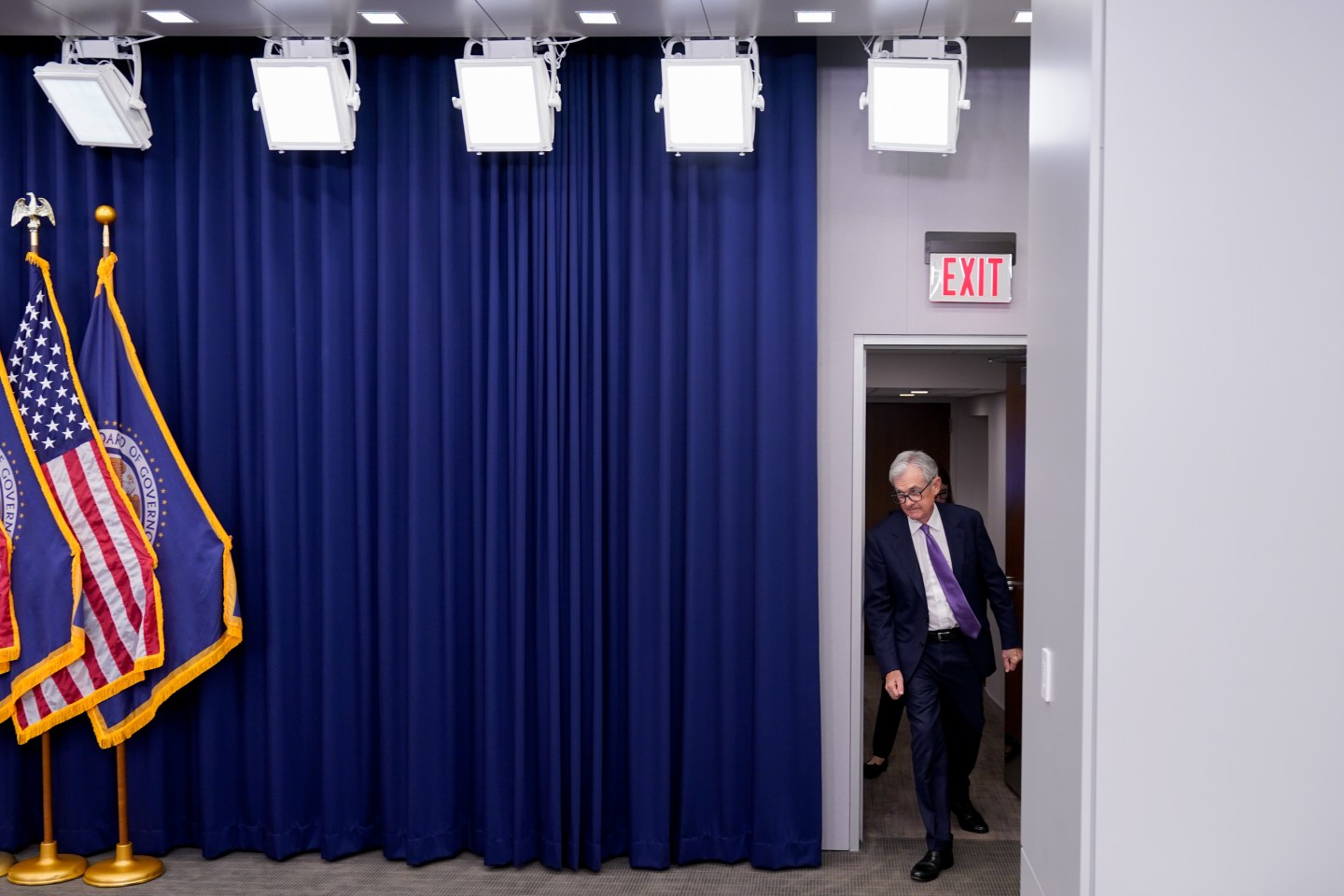
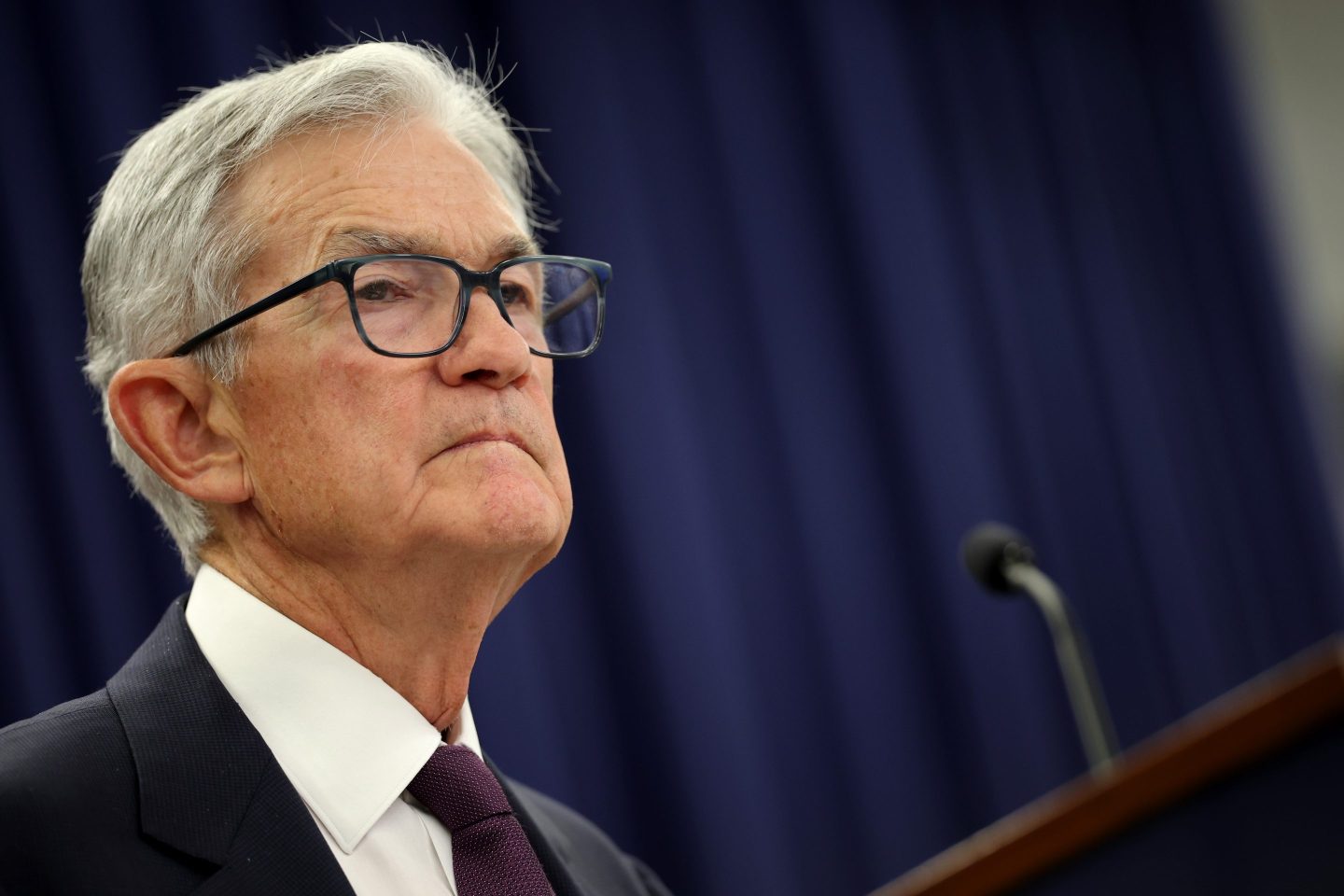
But the FOMC meeting next week won’t be plain sailing. In BofA’s opinion, Chair Jerome Powell will preside over “the most divided committee in recent memory.” Trump appointee Stephen Miran, for example, will likely once again advocate for a 50 basis point cut—in line with the reductions the White House has been lobbying for all year. A number of members are also expected to push for a hold, while the remaining majority will opt for a more minor 25 basis point revision.
“Turning to Powell’s press conference, we think he will attempt to strike a hawkish tone to placate the hawks,” BofA added. “We are skeptical this would work. Powell’s hawkish remarks in July and October jolted markets, but they didn’t stop the Fed from cutting. Investors might be wary of getting head-faked for a third time.”