In 2010, Microsoft cofounder Bill Gates and his then-wife Melinda French Gates, along with fellow billionaire and Berkshire Hathaway CEO Warren Buffett, started the Giving Pledge: a movement encouraging billionaires to donate at least half of their wealth during their lifetimes or at death. More than 250 of the world’s wealthiest have signed the pledge, but many have so far failed to live up to it.
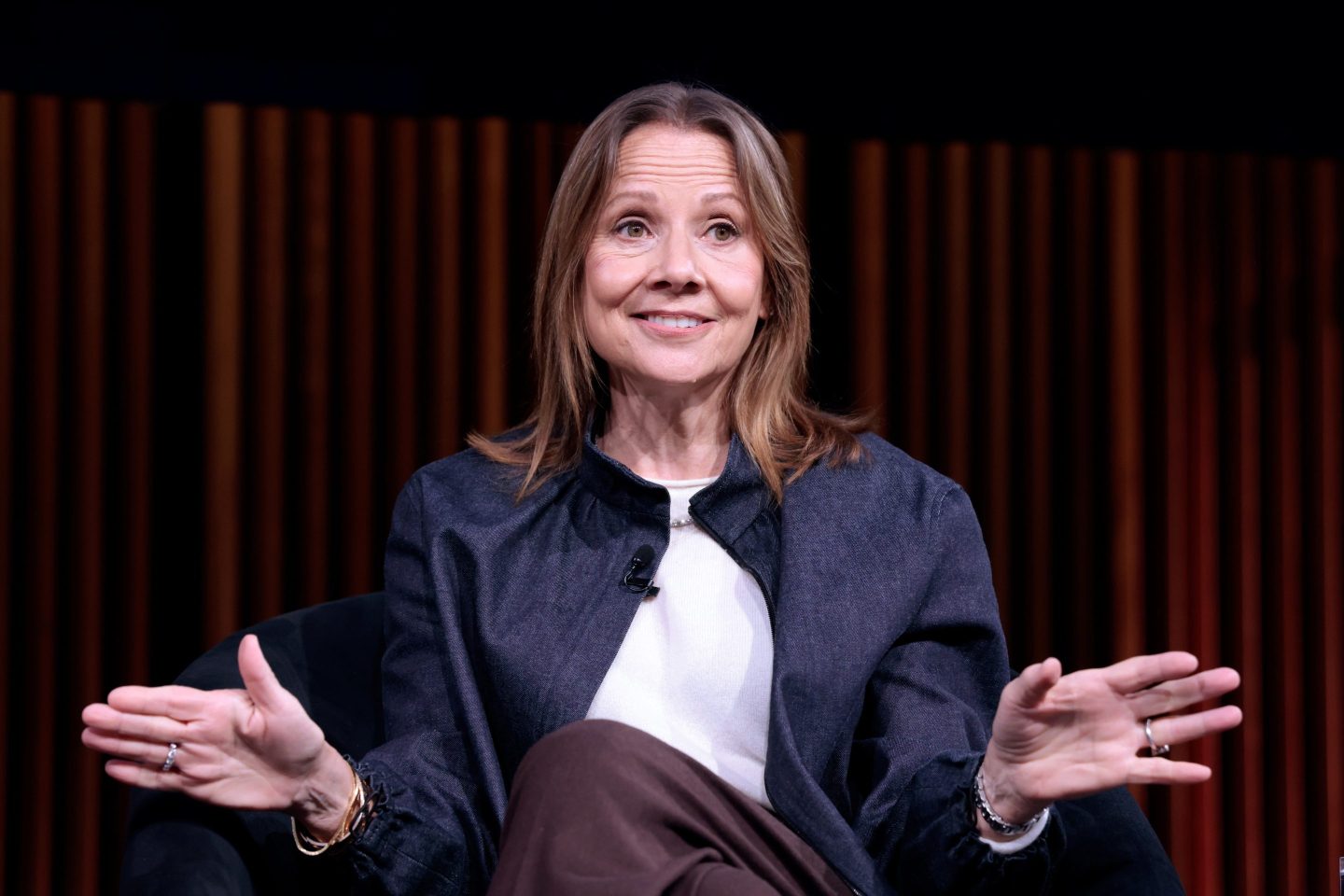
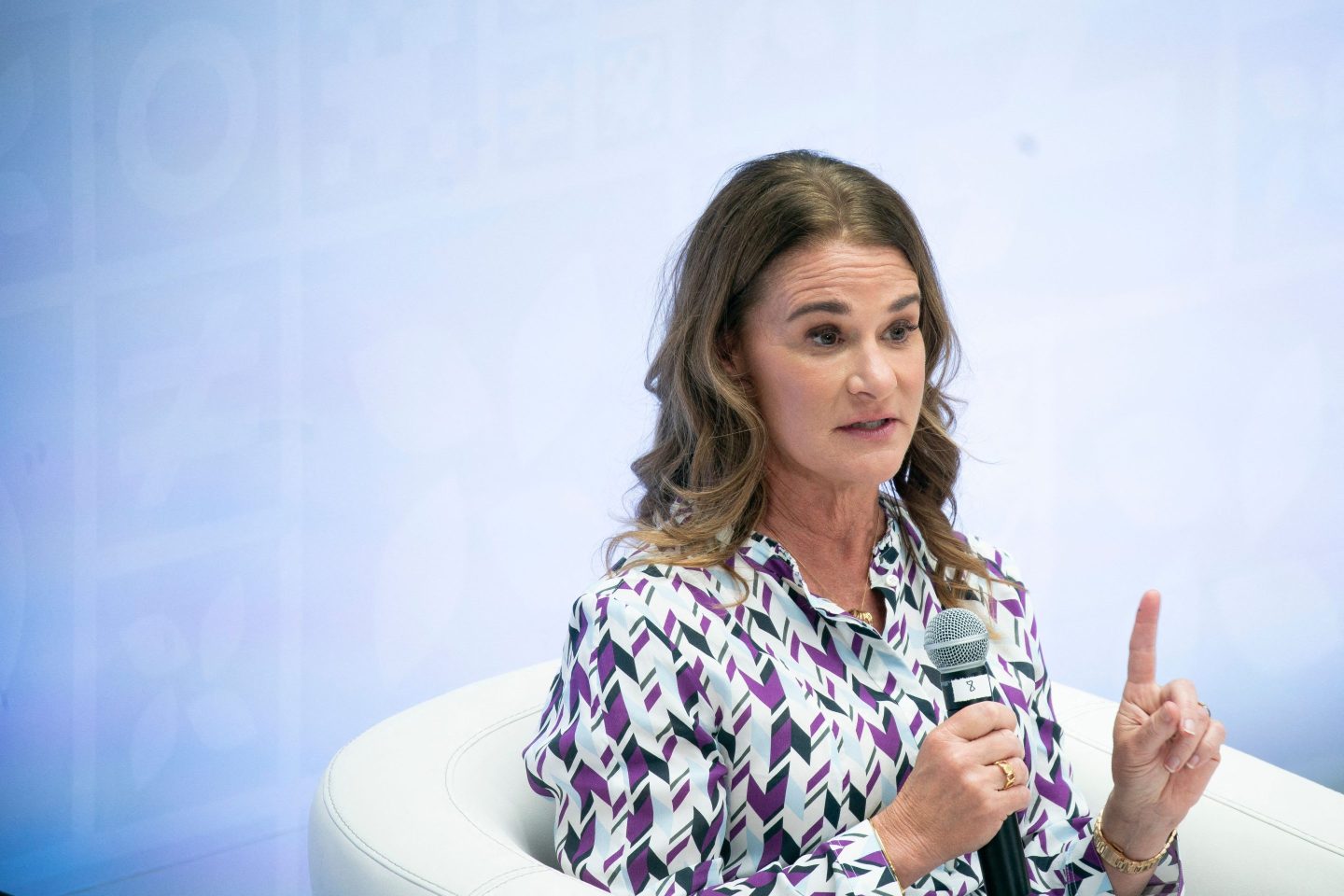
“Have they given enough? No,” French Gates said in an interview with Wired published Tuesday.
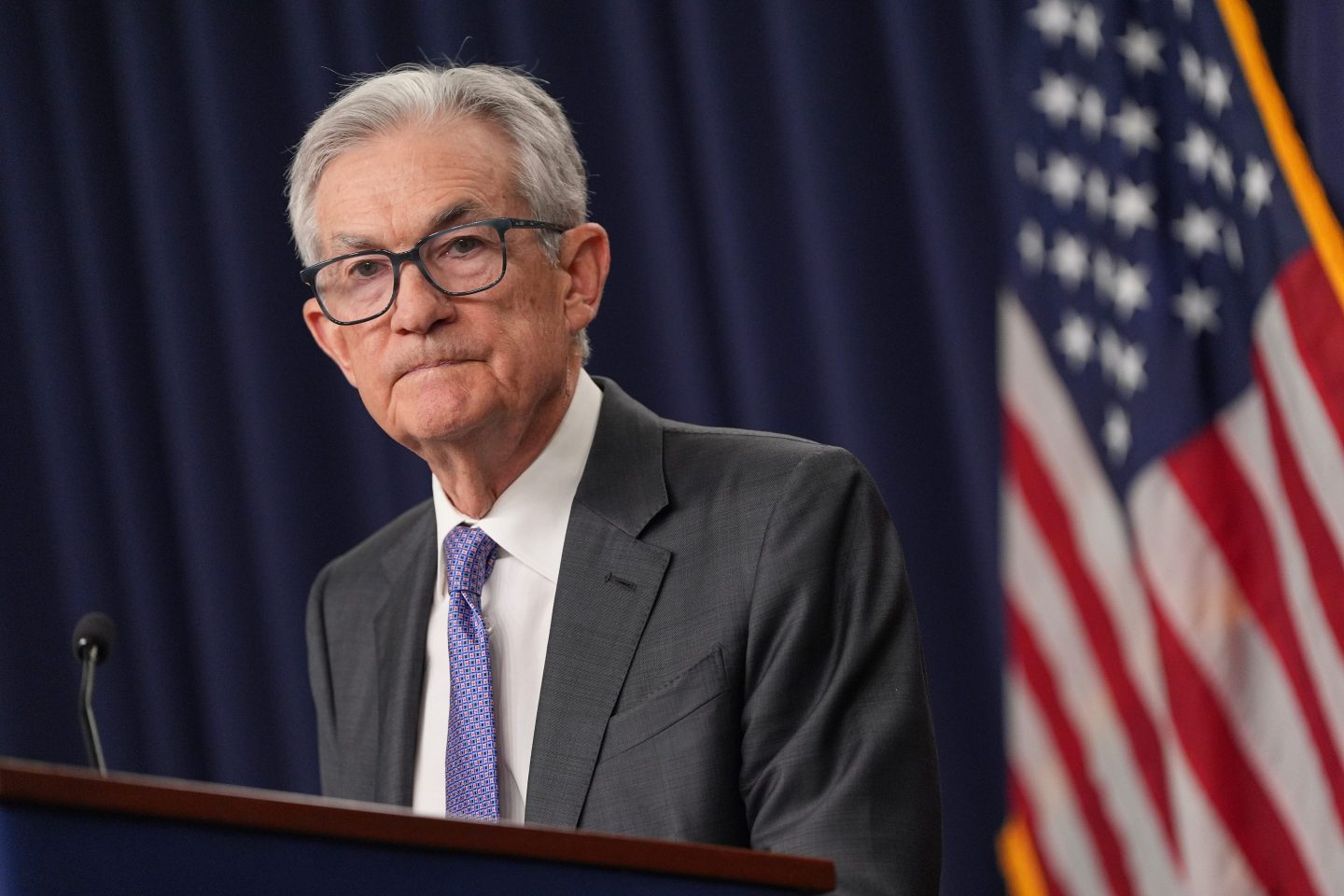
Treasury Secretary Scott Bessent on Wednesday also called the Giving Pledge a failure—but for different reasons. While he called it “well intentioned,” Bessent said the pledge was “very amorphous” and claimed wealthy people made the commitment out of fear that the public would “come at it with pitchforks.” But Bessent, too, pointed out that not many billionaires have actually delivered on their promise to donate their fortunes. Bessent’s comments came on the heels of the Trump administration’s announcement of “Trump Accounts” for children, seeded by a $6.25 billion donation from Susan and Michael Dell.
In a recent letter to shareholders, Buffett also appeared to distance himself from the Giving Pledge, saying his philanthropic plans weren’t as “feasible” as he once thought. “Early on, I contemplated various grand philanthropic plans. Though I was stubborn, these did not prove feasible,” Buffett wrote. “During my many years, I’ve also watched ill-conceived wealth transfers by political hacks, dynastic choices, and, yes, inept or quirky philanthropists.”
So instead of a single sweeping philanthropic plan, Buffett decided to pass down most of his remaining $150 billion net worth to his three children’s charitable foundations, allowing them to donate about $500 million each year. Still, Buffett is one of the world’s most prolific philanthropists, having given away more than $60 billion.
Several studies have also poked holes in the Giving Pledge, showing how it has helped billionaires present themselves as generous and public‑spirited, but doesn’t question inequalities and tax rules that led to such massive wealth in the first place. The Institute for Policy Studies (IPS) also argues the Giving Pledge is “unfulfilled, unfulfillable, and not our ticket to a fairer, better future.”
“Three-quarters of the original U.S. Giving Pledgers who are still alive remain billionaires today,” according to IPS. “They have collectively gotten far wealthier since they signed, while just eight of 22 deceased Pledgers fulfilled their pledges.”
Gates told Coins2Day in May that he would shut down the Gates Foundation, committing “virtually all of my wealth”—which amounts to about $100 billion—to the foundation. Today, he’s worth about $118 billion.
French Gates left the Gates Foundation in 2024, but now runs Pivotal Ventures, a group of philanthropic organizations focused on women’s issues. In 2024 she committed $150 million to create professional opportunities for women, with a third focused on the AI industry.
Although French Gates said there’s more to be done by billionaires in terms of philanthropic giving, she clarified that her criticism didn’t apply to all who signed the Giving Pledge. “Okay, have those people actually been giving money? Some of them, yes, some of them at massive scale,” she said. “We are trying to demonstrate through the pledge that you can give at massive scale.”
Take John and Laura Arnold, for example, who have donated more than $2 billion to date. (John Arnold is a well-known Wall Street energy trader.) They signed the Giving Pledge, and donated more than $204 million in 2024, according to Forbes. The couple’s net worth is around $2.9 billion.
But the star of philanthropy this year (and for the past several years) is MacKenzie Scott, the billionaire novelist, philanthropist, and ex-wife of Amazon founder Jeff Bezos. Scott is a Giving Pledge signer, and has donated about $20 billion in the past five years, including hundreds of millions just this fall to organizations focused on DEI, education, and disaster recovery. Scott is still worth about $40 billion today thanks to the Amazon shares she received during her 2019 divorce from Bezos.
“Once you start, you can build a flywheel, and then we’re trying to demonstrate for them: Go big,” French Gates said. “You can go big, you can go bold.”