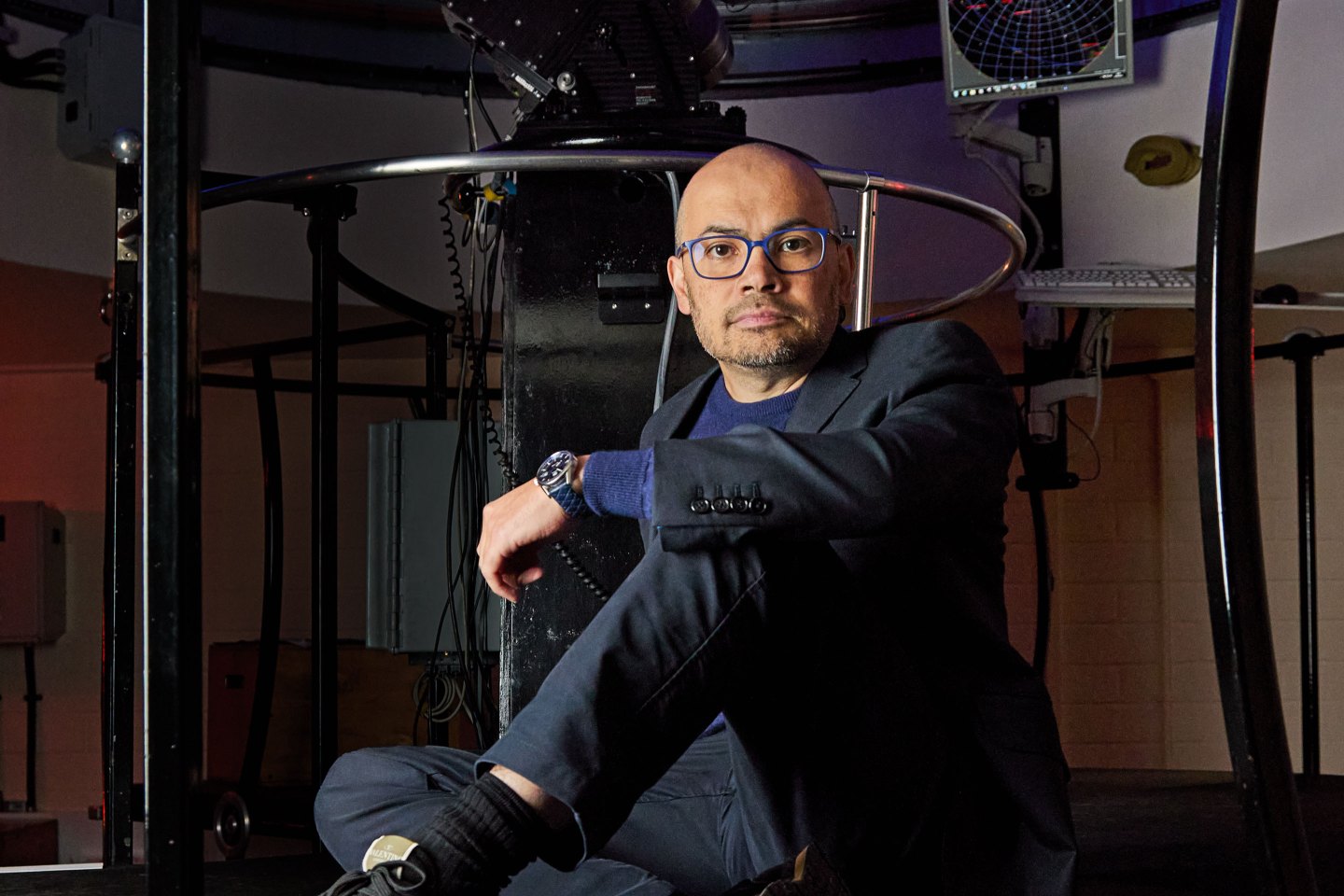
Good morning. I’m incredibly pleased to announce that we’ve added one last speaker to our Coins2Day Brainstorm AI program: San Francisco Mayor Daniel Lurie.
Mayor Lurie is almost one year into his term as the leader of the U.S. Capital of technology (if I may) and we’re keen to explore what he’s got planned for the tech set—and the rest of the city—over the next three.
Lurie joins the CEOs of Arm, CoreWeave, Cursor, Databricks, Exelon, Freshworks, Google Cloud, Intuit, Rivian, and so many more at Coins2Day Brainstorm AI. It’s really an extraordinary group.
We kick things off on Monday, December 8; you can watch the livestream of the mainstage program right here.
Today’s tech news below. —Andrew Nusca
Want to send thoughts or suggestions to Coins2Day Tech? Drop a line here.
Meta poaches Apple interface design chief Alan Dye
Big news in the world of Big Tech.
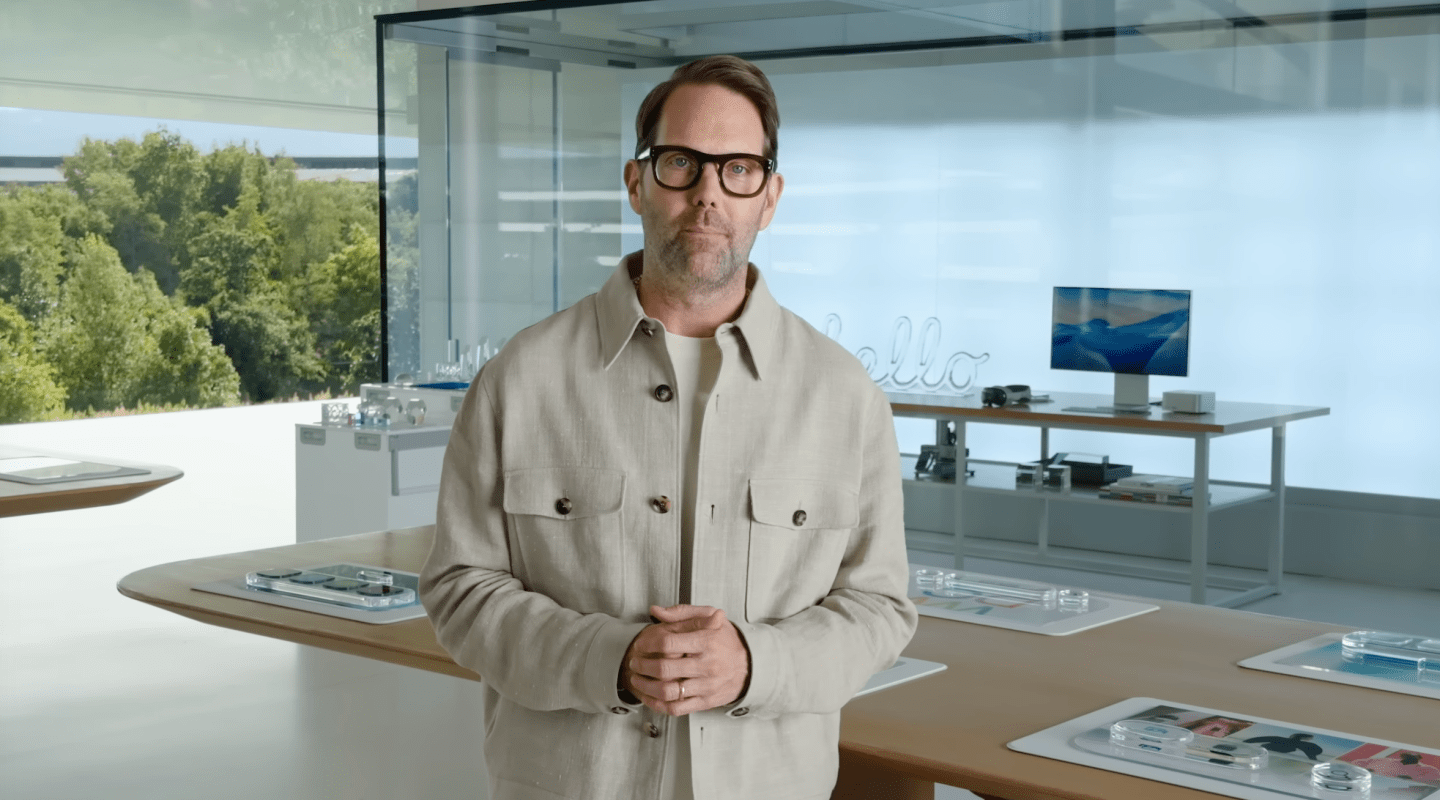
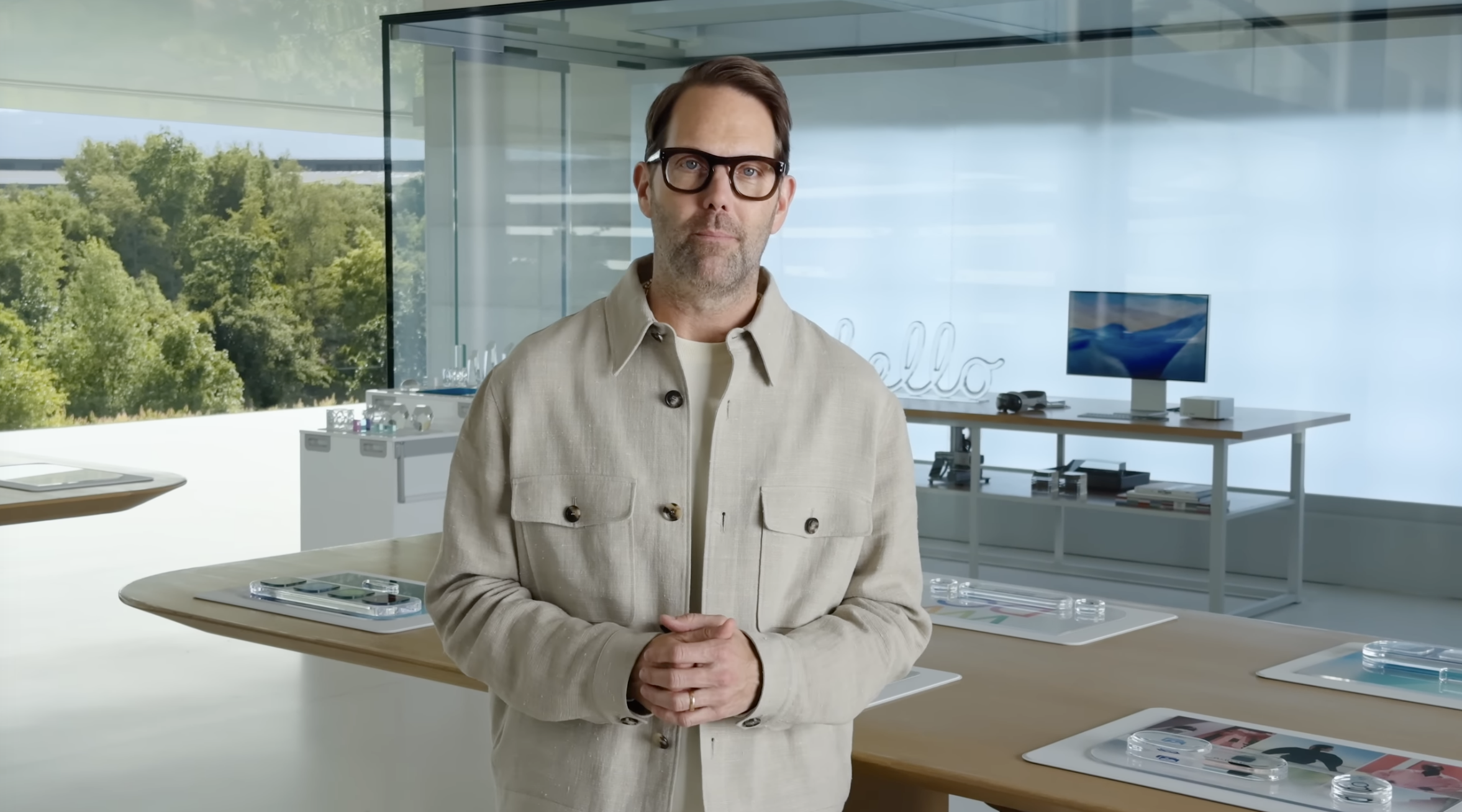
Meta CEO Mark Zuckerberg announced on Wednesday that he has successfully poached Apple’s most prominent design executive: Alan Dye.
Dye has served as the head of Apple’s user interface design team since 2015. He most recently led the creation of the interface for Apple’s Vision Pro headset and the “Liquid Glass” redesign of Apple’s operating systems, among many other things.
As chief design officer reporting to Meta CTO Andrew Bosworth, Dye will lead a new design studio tasked with reimagining the company’s products and experiences.
“Our idea is to treat intelligence as a new design material,” Zuckerberg wrote on social media.
It’s yet another blow to Apple, which has struggled to retain design talent in the wake of Jony Ive’s 2019 departure.
Apple says it will replace Dye with longtime designer Steve Lemay.
“Steve Lemay has played a key role in the design of every major Apple interface since 1999,” CEO Tim Cook said in a statement. “He has always set an extraordinarily high bar for excellence and embodies Apple’s culture of collaboration and creativity.” —AN
Micron will exit consumer business in favor of data centers
Have you heard about the global shortage of memory chips?
Micron sure has—and it said Wednesday that it would exit its consumer memory business under the Crucial brand to double down on the all-important data center market.
The sale of Crucial memory will cease worldwide, but Micron says it plans to continue product shipments until February 2026.
In truth, Micron has been progressively turning more of its resources over to its advanced data center memory business, called HBM, for High Bandwidth Memory.
HBM memory chips tend to be pricier than their consumer counterparts with thicker profit margins. Micron recorded almost $2 billion of revenue for the business in its August quarter.
Still, amid an AI boom, competition is fierce in the category. Joining Micron (which is based in Boise, Idaho) are two South Korean companies: Samsung and SK Hynix.
Shares of Micron fell about 3%, to about $231, on the news. —AN
New ‘React2Shell’ flaw affects 2 in 5 cloud environments
A security vulnerability of the highest severity has been identified in a popular tool used for building user interfaces for web and mobile applications.
According to the cybersecurity company Wiz, React Server Components, a feature in the popular JavaScript library known as React, contains a flaw that, if successfully exploited, would allow bad actors to remotely execute code.
“The vulnerability exists in the default configuration of affected applications, meaning standard deployments are immediately at risk,” Wiz wrote in a blog post. “Due to the high severity and the ease of exploitation, immediate patching is required.”
Wiz said that 39% of cloud environments contain instances of Next.js or React in versions affected by the flaw.
And a hacker need not be authenticated to cause trouble—a malicious HTTP request is all it takes to execute code on the targeted server. —AN
More tech
—Snowflake and Anthropic do a deal. $200 million to deploy AI agents across enterprises.
—You had me at “conspiring to destroy government databases.” The charge for two brothers who worked as federal contractors.
—India rescinds security app order. New smartphones won’t have Sanchar Saathi preinstalled after all.
—OpenAI reportedly explored stake in Stoke Space. Extraterrestrial AI data centers: After all, why not? Why shouldn’t I?
—Uber and Avride launch robotaxis in Dallas. It’s Uber’s fourth city after Atlanta, Austin, and Phoenix.
—Netflix sells game studio Spry Fox. Its six-studio gaming operation is now down to three.
—Intel won’t spin off NEX. The networking business will more likely succeed in-house.