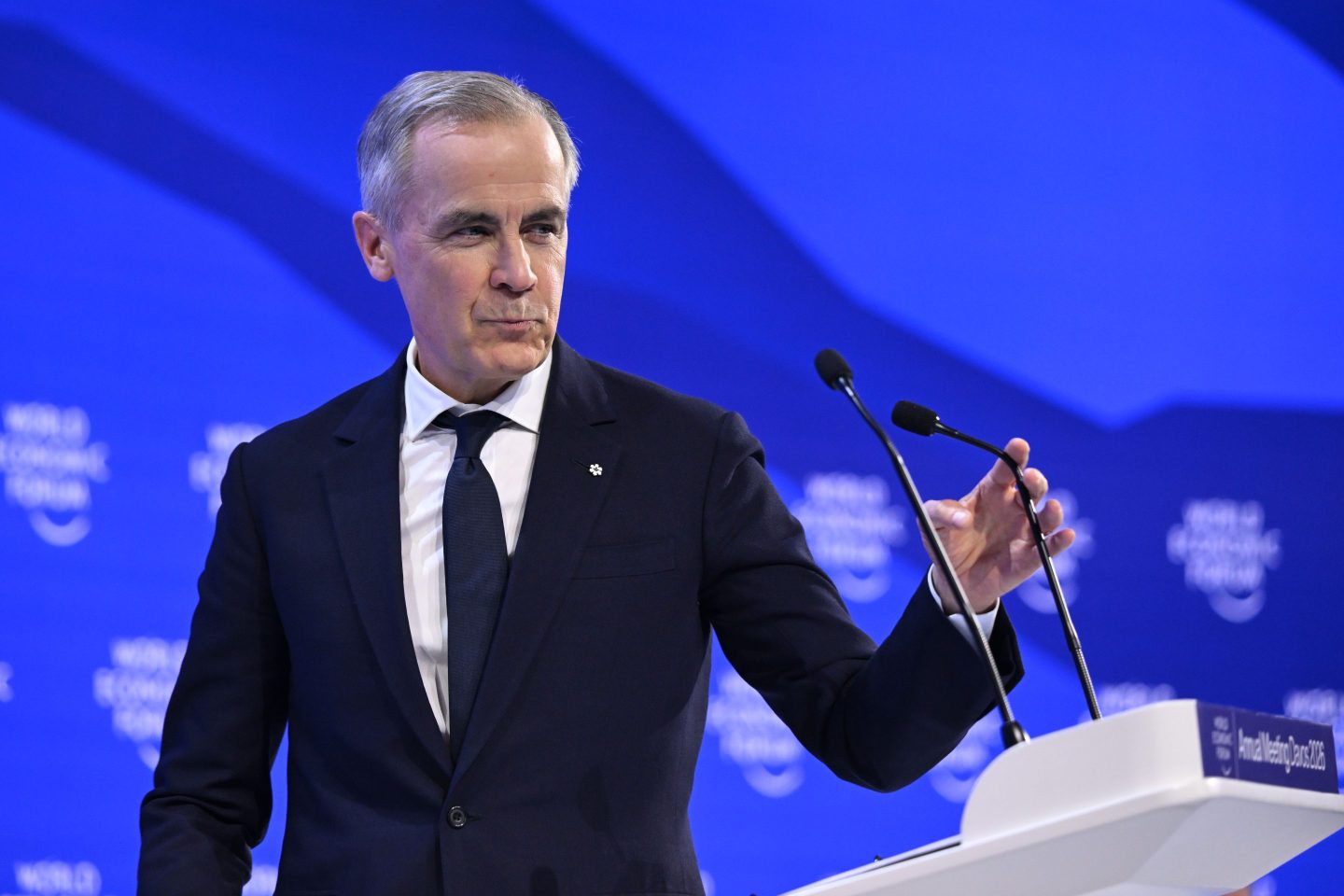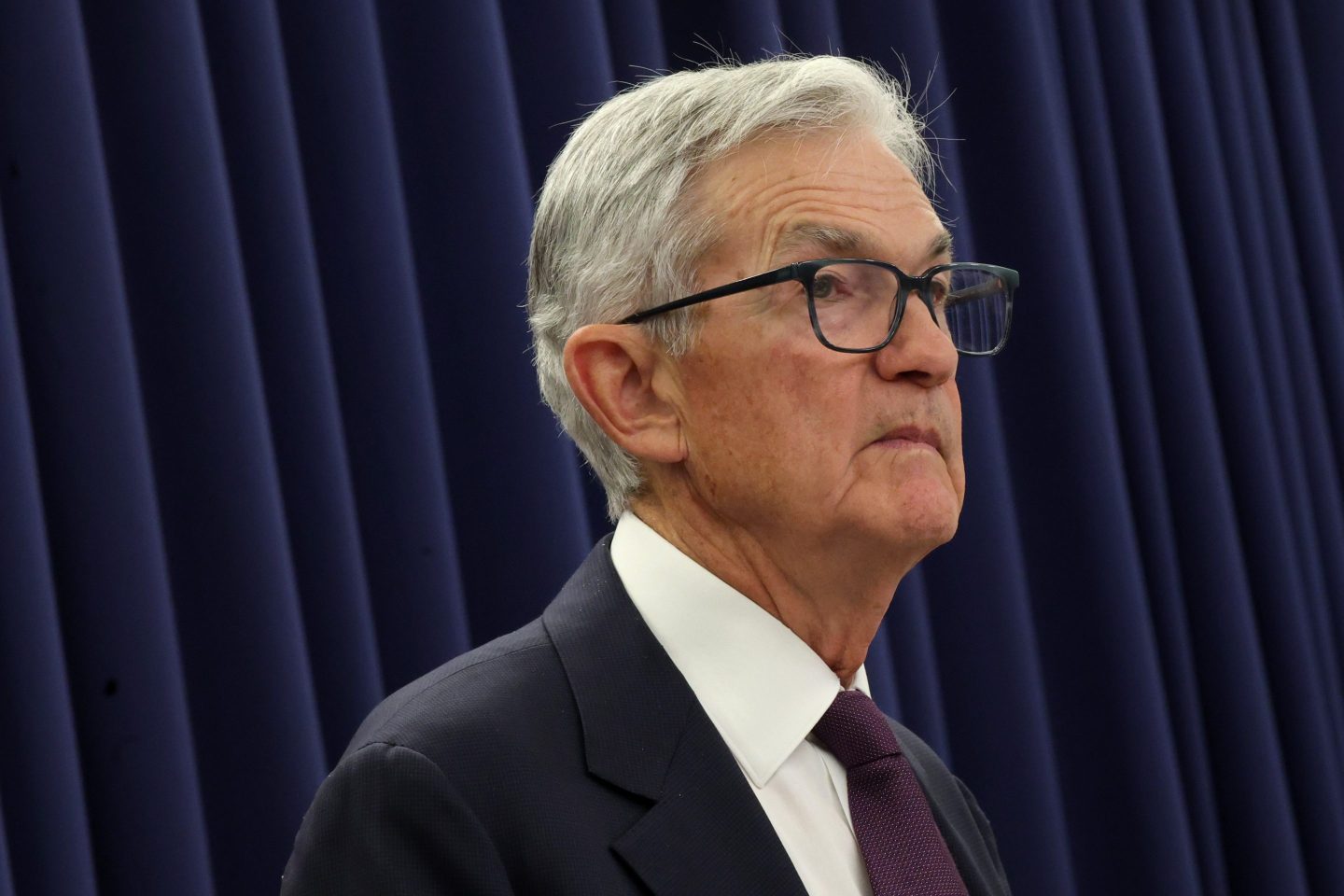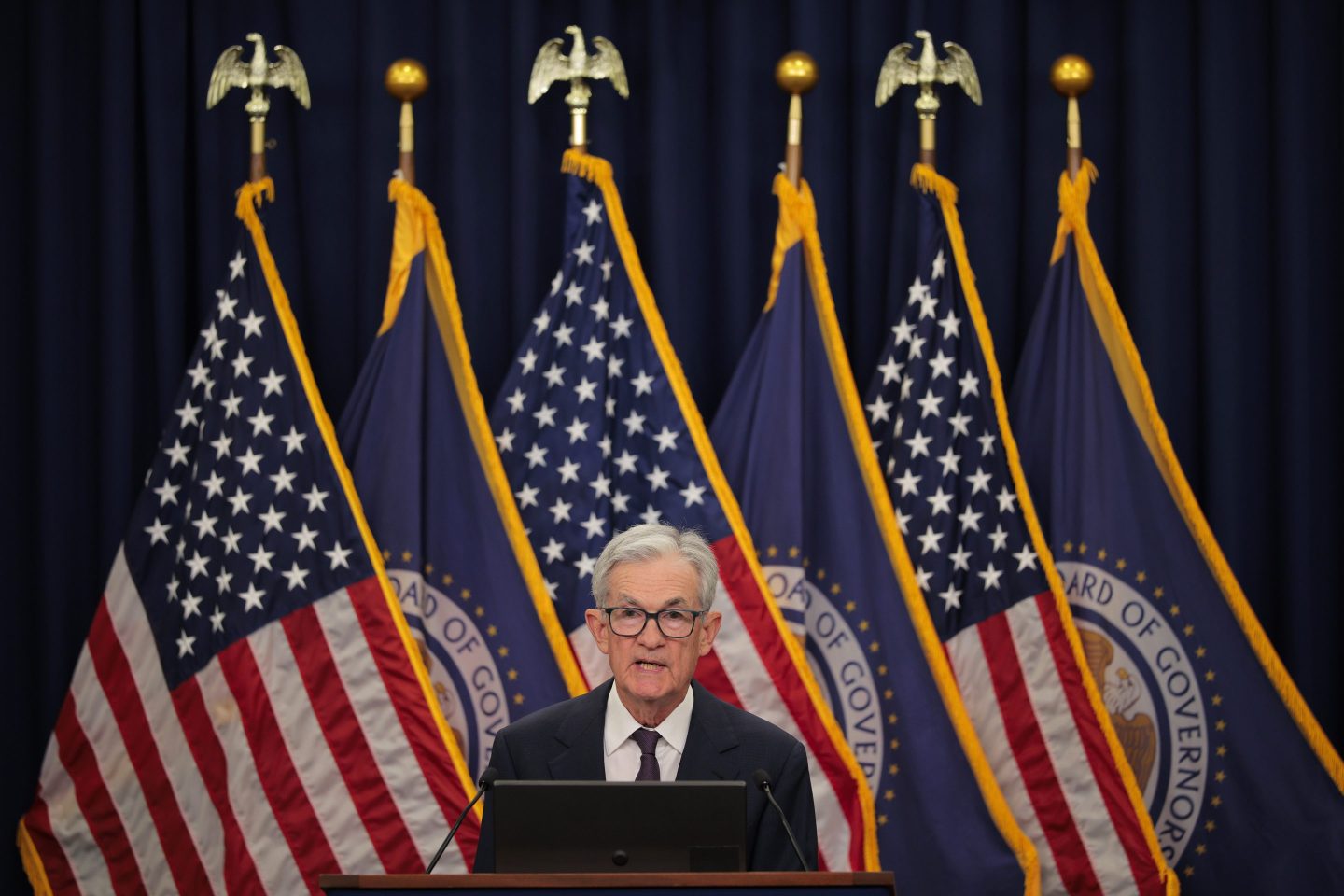
To cut or not to cut? Fed Chairman Jerome Powell has cautioned markets that lower interest rates might not come in December. But some members of the Fed’s Board of Governors, such as Stephen Miran, an appointee and ally of President Donald Trump, want lower rates. It’s unclear what path the Fed will take.
Markets want predictable interest rates. However, that isn’t the Fed’s job. Officially, the Fed has a three-part mandate: full employment, price stability, and moderate interest rates. An unspoken agreement between politicians and central bankers has made this a de facto dual mandate focusing on labor markets and price levels. Managing the money supply addresses both concerns.
We need to change how we think about monetary policy, however, or else we’re setting ourselves up to get repeatedly fooled. Adjusting interest rate targets is a means to an end. The interest rate is not the price of money, but rather the price of time. When you borrow, you’re renting capital. Interest rates reflect the value we place on having capital right now, as opposed to later.
We need interest rates to adjust in response to supply and demand in investment markets. When economic fundamentals change—for example, when the labor market contracts—interest rates should fall. Stability can be a bad thing if it prevents flexibility.
The Fed doesn’t set interest rates. As powerful as America’s central bank is, it’s still just one player in a globe-spanning ocean of financial markets. Instead, the Fed sets targets for short-term interest rates. Those target rates indicate the Fed’s general monetary policy stance, but they are not the substance of monetary policy. The Fed no more “determines” interest rates than a meteorologist determines the weather.
Markets usually interpret falling interest rates as a sign of looser monetary policy. But as economists have long recognized, they could just as easily be an indicator of tighter monetary policy. When the Fed doesn’t meet markets’ liquidity needs, the economy slows down. Demand for capital falls. The price of capital–interest rates–fall, too.
Don’t make the mistake of inferring easy money from low rates. That error cost us dearly in the aftermath of the 2007-08 financial crisis, the Great Recession: rates fell nearly to zero not because money was abundant, but because it was scarce.
When the Fed announces an interest rate target, it’s estimating a short-term capital price that it thinks is compatible with maximum employment and a stable dollar. Whether that projection is correct depends on whether the Fed’s complex economic models accurately capture reality. Sometimes they do. But when background conditions change, they often don’t. So, pre-committing to a specific capital price is a fool’s errand. The Fed doesn’t control investment supply and demand. It controls the money supply.
Unfortunately, the Fed occasionally forgets this. That’s why we got 40-year high inflation following the covid pandemic. The Fed tried to stabilize markets by creating trillions of dollars of new money to purchase securities. In one sense, it worked: financial markets didn’t collapse. But it came with a cost. All that new money at a time when production had contracted, and supply chains had stalled, rapidly drove up prices. The Fed neglected the basic cause of inflation: too much money chasing too few goods. As a result, households saw the cost of living rise faster than their wages for several years.
Fed officials like the mystique of being seen as financial technocrats. Pull a lever here, turn a dial there, adjust market conditions just so, and interest rates will go to where the economy needs them.
But this is silly. The Fed doesn’t have anywhere near this ability to direct markets. Instead, it bumbles along, groping its way through the thick darkness of financial market turmoil—just like the rest of us. We should give it far less deference than we do.
Frankly, there’s no reason to leave Fed policy to the discretion of its top bureaucrats. The economy would work better if there were a strict rule for monetary policy, focusing the Fed on price stability. Congress could enact such a rule by passing legislation to alter the Fed’s mandate. Given how badly the Fed often errs—2007-08 and 2020-21 were both generational blunders—it’s astounding that legislators haven’t acted.
Arguing about what interest rates “should be” when nobody can know that in advance is useless. It cloaks the Fed in a veil of prestige that prevents the public from holding it accountable.
Focus on the money supply, and downstream from that, inflation. Dollar depreciation still hasn’t slowed to pre-pandemic rates. Only by stripping away the illusion of Fed control can we deliver lasting economic prosperity.
The opinions expressed in Coins2Day.com commentary pieces are solely the views of their authors and do not necessarily reflect the opinions and beliefs of Coins2Day .