The chances of the Fed delivering another interest rate cut tomorrow are 90%, according to bets tracked by the CME FedWatch Fed funds futures index. But Wall Street has already priced that in. The S&P 500 ticked down 0.35% yesterday but remained near its all-time high, and futures were flat this morning. In fact, traders have already moved on from the decision itself, which they regard as a done deal, even though the Federal Open Market Committee is sharply divided over whether a cut should actually take place.
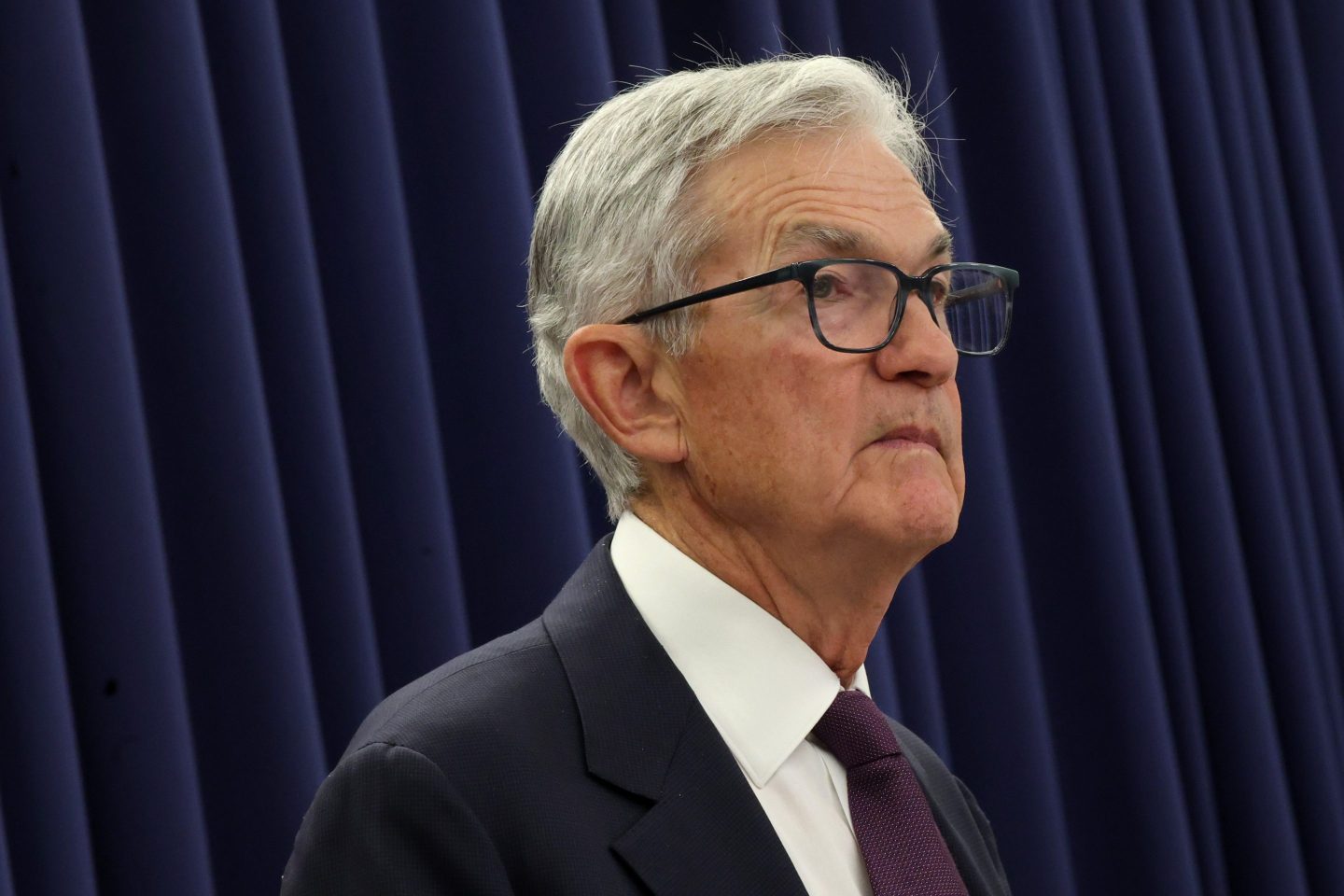
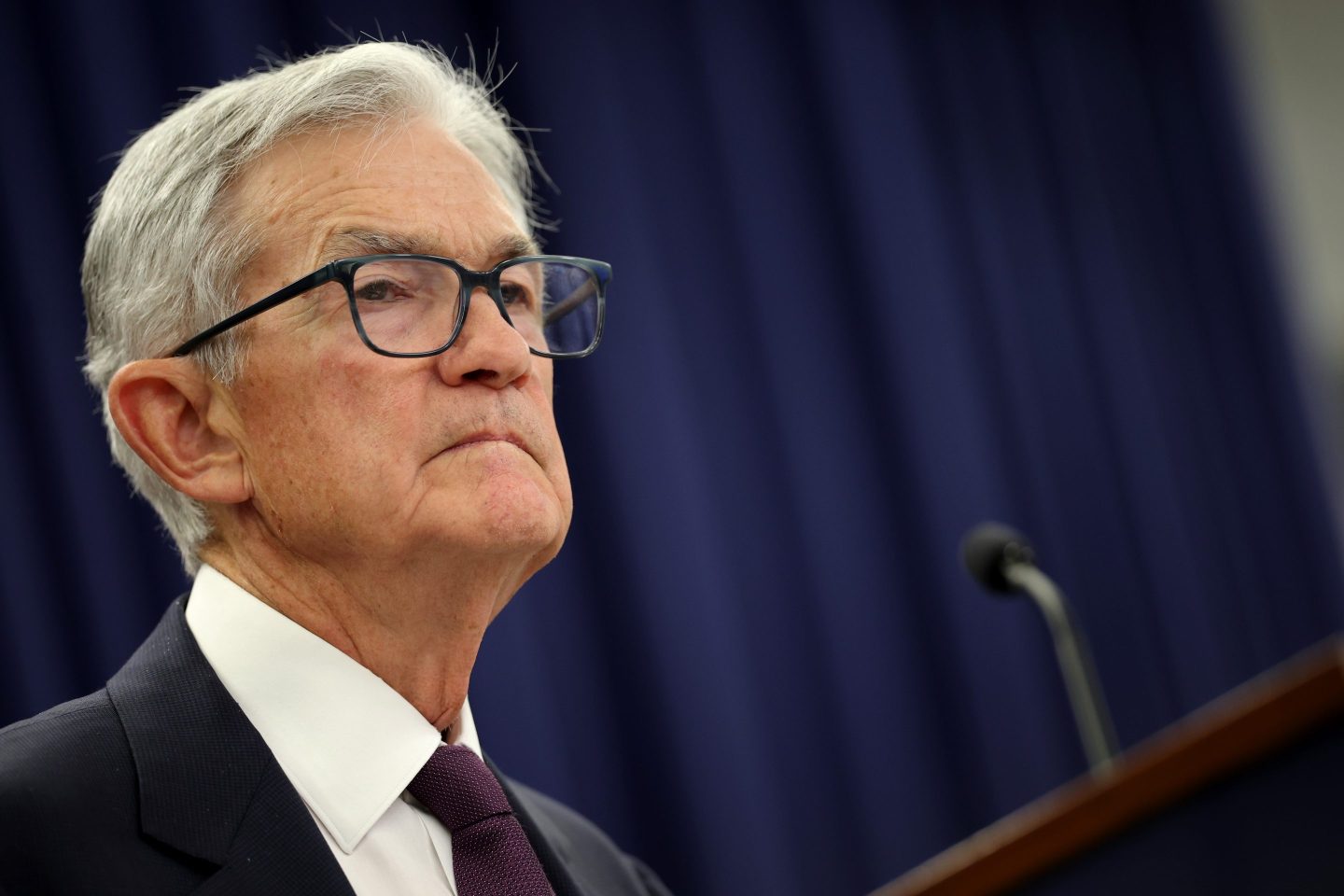
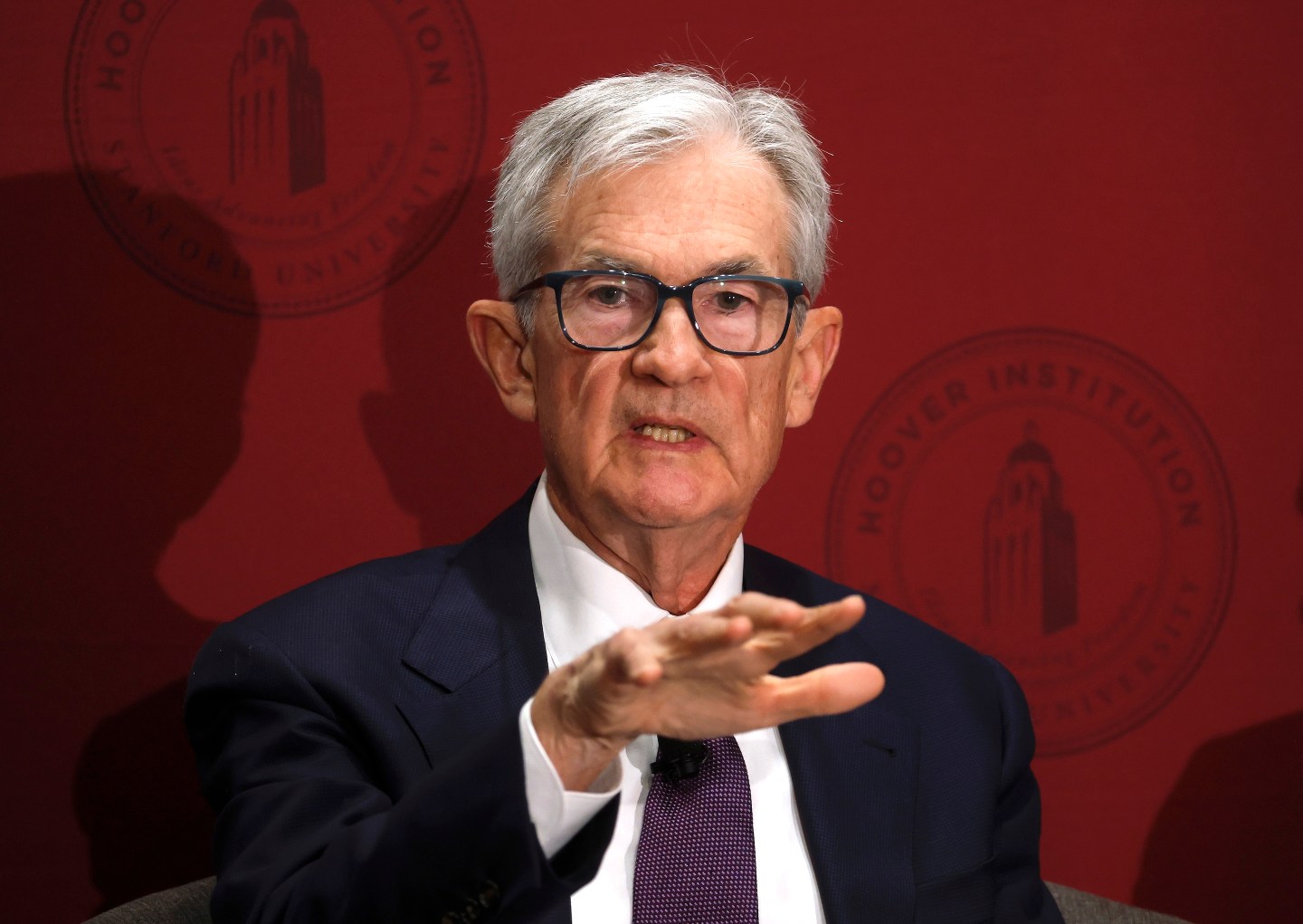
Instead, they will be looking closely for any change in wording or tone in U.S. Federal Reserve Chair Jerome Powell’s official statement after today’s meeting and tomorrow’s new rate announcement, and in his remarks to the press when he takes questions.
Jefferies analysts Thomas Simons and Michael Bacolas will be watching for whether Powell says four words in particular: “In a good place.” If he says that phrase, it perhaps implies that he is not leaning toward a further rate cut in January. If he does not use that phrase, he may be open to more cuts after this month.
“The most important aspect of the Fed’s communication on Wednesday is going to be whether Powell characterizes policy as ‘in a good place’, as he did for the first several months of 2025 when the Fed was on hold, or if he repeats his description of policy being ‘modestly restrictive’ or ‘somewhat above neutral.’ In the case of the latter, the door will remain open to further cuts in early 2026,” they told clients in a note seen by Coins2Day. “We do not expect that he will say policy rates are ‘in a good place,’ but that will be the phrase to watch out for.”
The context, of course, is that Powell is famously guided by the data. No matter what he says tomorrow, his decision in January will be based on incoming macroeconomic information between then and now.
And it’s not just Powell’s decision. He presides over an FOMC that is almost evenly divided against itself. Roughly half its members are wary of creating further new rounds of cheaper money that may be inflating a bubble in the stock market. The other half sees an economy on the verge of faltering, with rising unemployment, that needs easier money to avoid recession.
At the last Fed meeting, “there was a sharp division beneath the surface” of the FOMC, according to Macquarie’s David Doyle and Chinara Azizova. “Eight of 19 participants saw the policy rate in the 3.5% to 3.75% range [below where it is now at 3.75%]. This division is likely to remain apparent in the December update.
“Given the likelihood for dissents, the growing differences in forward-looking policy projections are likely to be addressed. The chair is likely to emphasize that this is to be expected when the dual mandate is in tension due to rising unemployment and still elevated inflation,” they said.
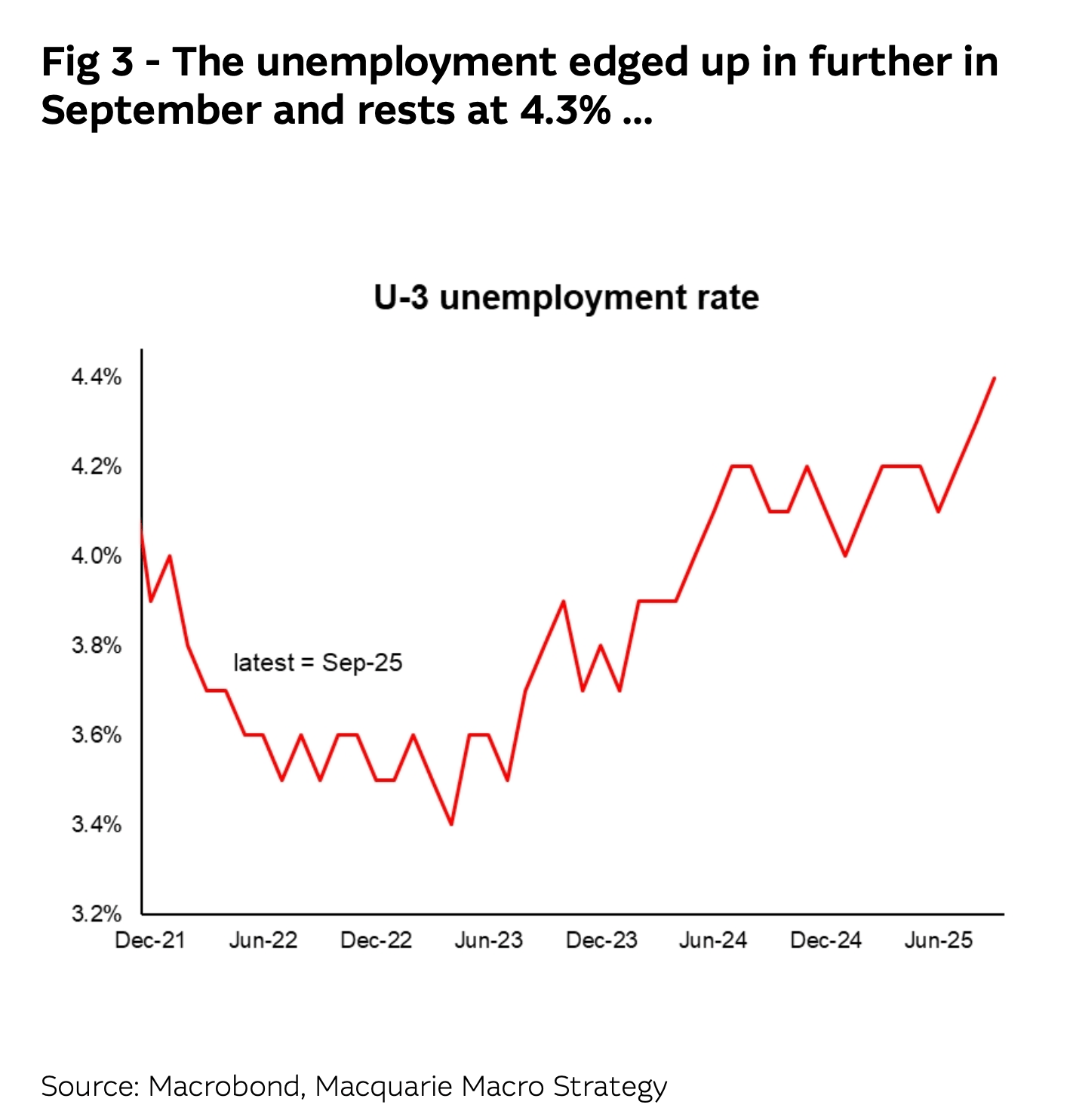
Unemployment is trending upward, as shown in this chart from Macquarie:
At Goldman Sachs, chief U.S. Economist David Mericle is also looking for signs of dissent. “There will most likely be two hawkish dissents in the statement, and we expect five participants to register soft dissents,” he told clients. “But we are not sure that all of this would add up to meaningful new information for the market.”
Those dissents will hinge on how Fed members feel about the employment market, which seems to be weakening by the day.
“It is not realistic to expect the FOMC to box itself in too much by signaling a very strong bias toward a pause in January, because if the labor market is still actively softening at that point, a cut might be appropriate. In fact, participants will be even more uncertain than usual about what will be appropriate at the next meeting because we are now two employment reports behind schedule,” Mericle told clients.
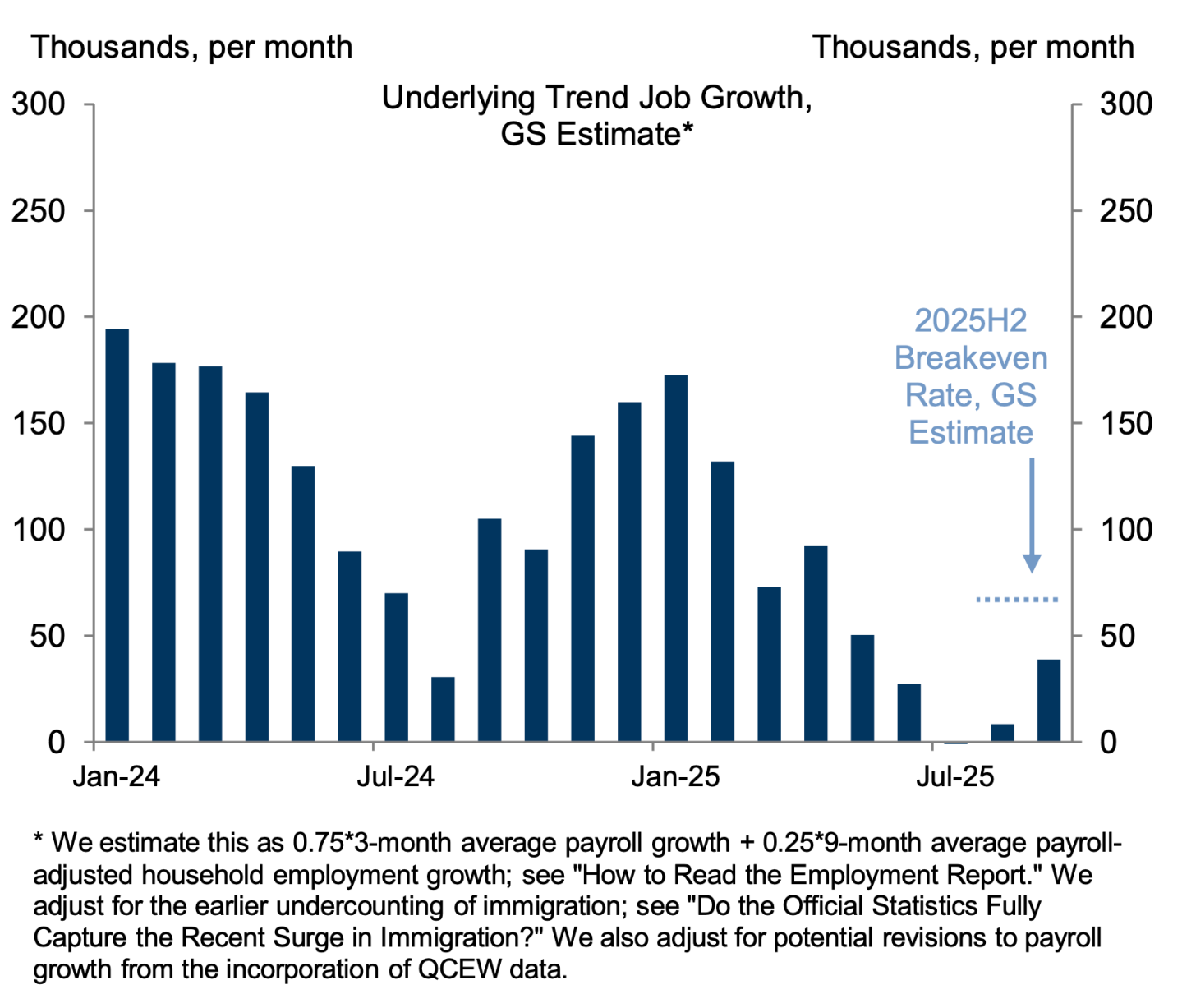
Goldman estimates that U.S. Job growth is below the “break-even” rate versus job cuts:
Those missing employment reports—canceled by the U.S. Government shutdown—will leave the Fed more dependent than usual on anecdotal or imperfect private employment data. The Fed’s “Beige Book,” a periodic summary of quotes from American businesses, shows that employers are increasingly not creating new jobs.
“Last week’s Beige Book suggested that labor demand is weakening via less hiring rather than layoffs—a fragile equilibrium in the labor market that will keep the Fed in a risk management mindset,” said Oxford Economics analyst Michael Pearce.
Private employer data is equally gloomy, according to Bill Adams, chief economist for Comerica Bank in Dallas. ADP, Revelio Labs, and Challenger, Gray & Christmas—three companies that compile private market jobs data—all saw payrolls falling in the past few months, he told Coins2Day. “Challenger, Gray & Christmas reported employers announced plans for 71,000 job cuts in November, up 24% from the same month last year. They cited restructuring, market and economic conditions, and artificial intelligence as key reasons for layoff announcements,” he said.
If the labor market continues to deteriorate, then it becomes less likely that Powell will say interest rates are “in a good place” and more likely that the Fed will deliver future cuts in 2026.
Here’s a snapshot of the markets ahead of the opening bell in New York this morning:
- S&P 500 futures were flat this morning. The last session closed down 0.35%.
- The STOXX Europe 600 was flat in early trading.
- The U.K.’s FTSE 100 was flat in early trading.
- Japan’s Nikkei 225 was up 0.14%.
- China’s CSI 300 was down 0.51%.
- The South Korea KOSPI was down 0.27%.
- India’s Nifty 50 was down 0.47%.
- Bitcoin slid to $90K.