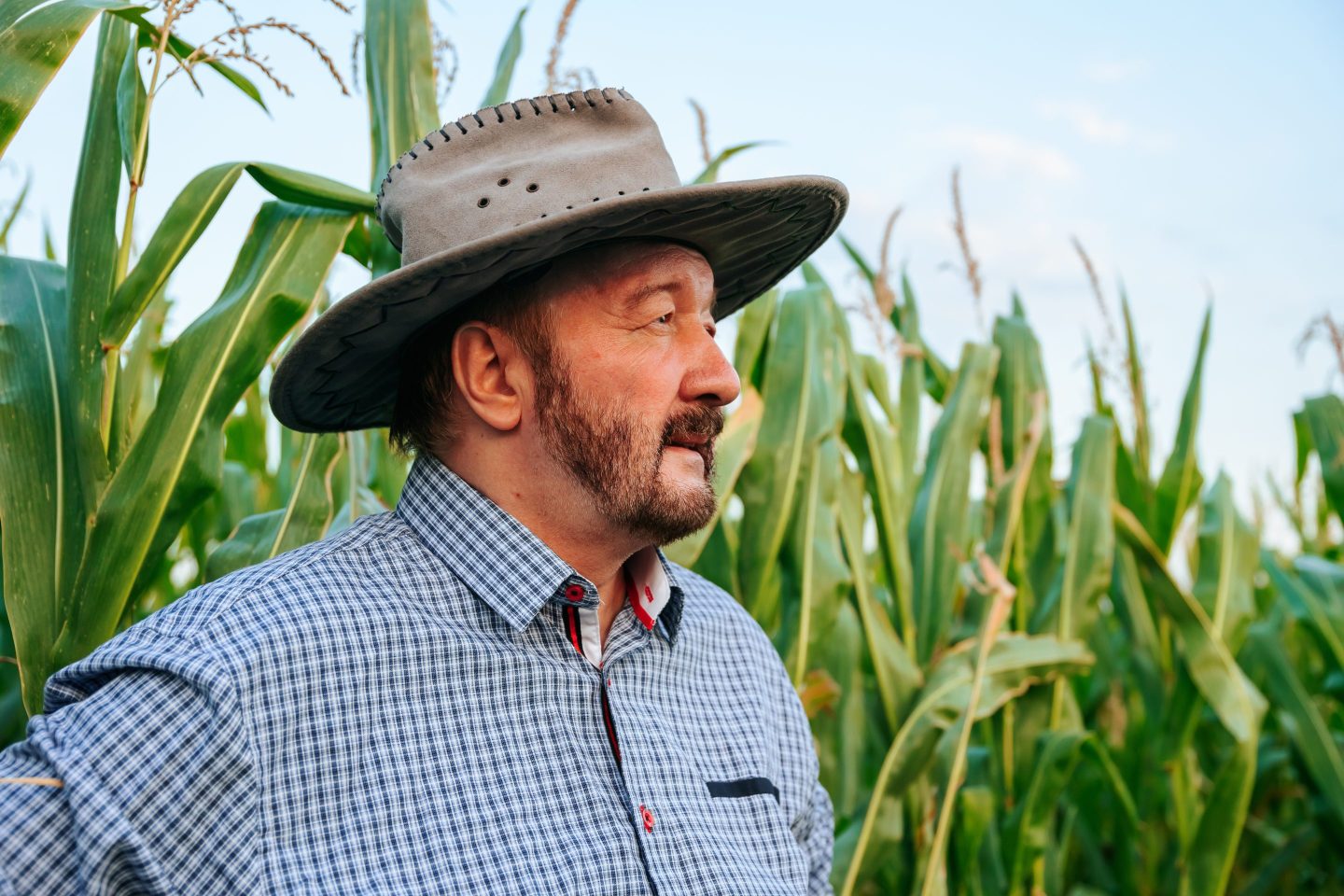
President Donald Trump has delivered on his promise to provide aid to U.S. Farmers hit by his sweeping tariff policy, but that hasn’t freed the agriculture industry from worries of tight margins and volatile markets.
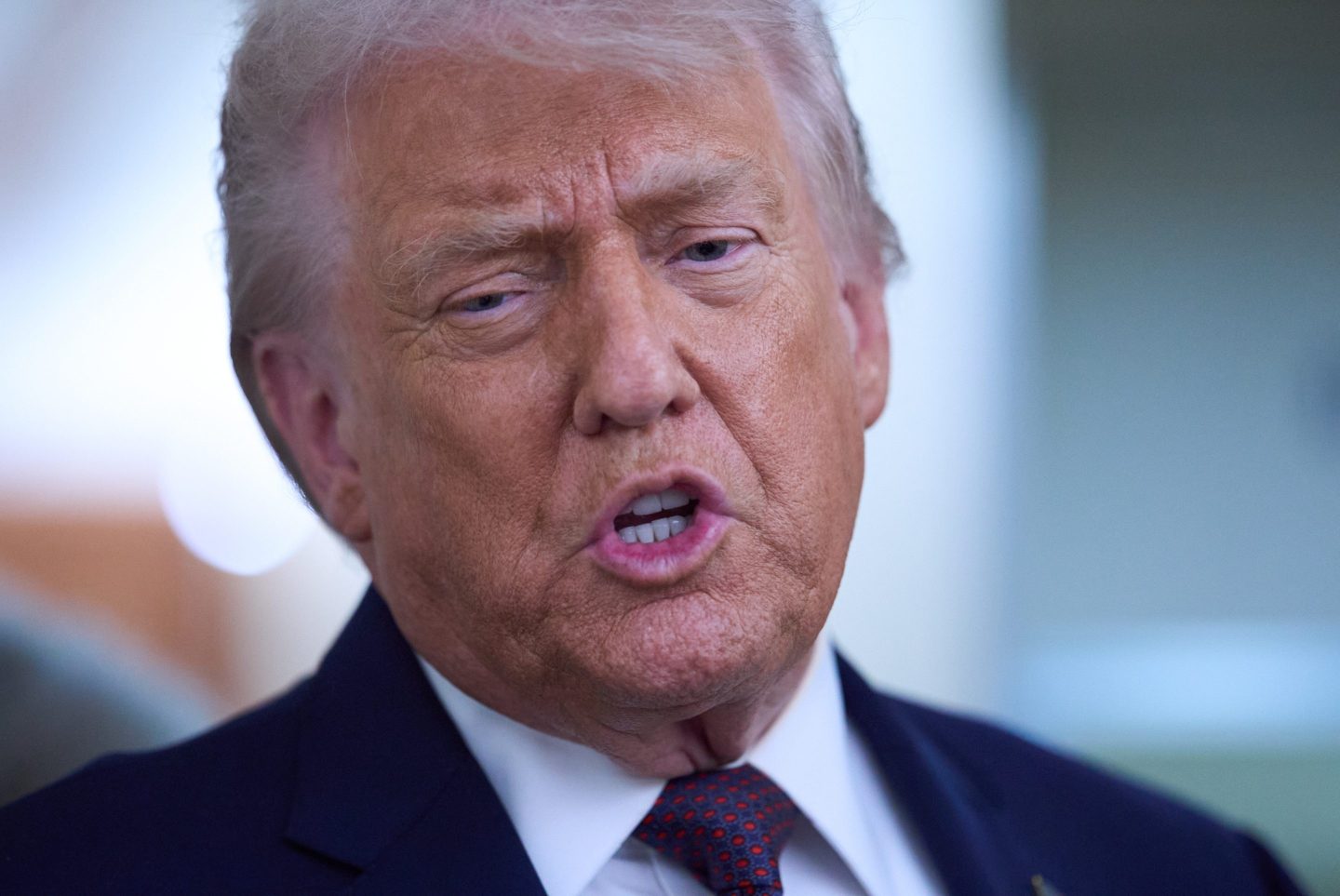
On Monday, Trump, alongside Treasury Secretary Scott Bessent, Agriculture Secretary Brooke Rollins, and National Economic Council director Kevin Hassett, announced a $12 billion farm aid program, which outlined much-needed relief for farmers who sounded the alarms about increasing input costs and fewer export opportunities amid ongoing trade tensions. Farmers will begin receiving funds by the end of February, Rollins said.
“Now we’re once again in a position where a president is able to put farmers first,” Trump said at a Monday roundtable of farmers and lawmakers. “But unfortunately, I’m the only president that does that.”
While farmers and agricultural economists see the package as a way to move forward after a disappointing harvest season, they fear the precedent of cash bailouts does not provide systemic solutions to a beleaguered industry, and they don’t believe the $12 billion gesture is enough to solve agriculture’s deeper challenges.
“We’re talking $12 billion, and while it is a lot of money, in the grand scheme of things, it’s still going to be a Band-Aid on a bigger wound,” Ryan Loy, assistant professor and extension economist for the University of Arkansas Division of Agriculture, told Coins2Day. “How can we triage this situation right now, work on that longer-term solution? That’s really, I think, the overall attitude toward it.”
The one-time payment program will send $11 billion to major row-crop producers growing corn, soybeans, and rice, and the remaining $1 billion will be reserved for specialty-crop growers, such as sugar. Trump said additional aid programs will depend on whether trade improves with China and other countries. While the money is welcome, farmers say they’d rather have the government secure stable markets and trade relations.
“At the end of the day, the farmers, they just want to conduct business, not necessarily have to get these packages to help them out during these times,” Loy said.
Farmers’ struggles
Since Trump introduced expansive import taxes—especially on China, provoking a wave of retaliatory tariffs—farmers have seen input costs increase while export demand and crop prices plummet.
“It’s been a bit of a roller coaster in terms of not just uncertainty over our global markets and our prices, but also whether or not we were going to see any relief on the input side,” Kyle Jore, an economist, northwest Minnesota–based farmer, and secretary of the Minnesota Soybean Growers Association, told Coins2Day.
Tariffs on farming-related machinery as well as products like seeds and fertilizer sit at 9%, costing U.S. Farmers about $33 billion more, according to North Dakota State University’s Agricultural Trade Monitor. That includes a more than 15% tax on tractors and herbicides.
Soybean farmers, responsible for the U.S.’s biggest agricultural export—which accounts for about 14% of the country’s total crops sent overseas—have been hit particularly hard by tariffs. Trade disputes with Beijing have disincentivized China from buying American soybeans, and the country has instead turned to South American countries like Argentina and especially Brazil, which makes up about 71% of China’s soybean imports, according to the American Soybean Association.
To be sure, thawing relations between the U.S. And China has enlivened soybean trade. China committed in October to resume orders of U.S. Soybeans after halting all purchases in May, promising to import 12 million tons of soybeans by the end of the year, as well as at least 25 million tons in each of the next three years. However, soybean prices have still lagged because of stifled demand, and farmers saw their third straight year of losses, in large part due to tariff turmoil.
According to agricultural economists, Trump’s farm aid program doesn’t hurt, but its benefits are limited: The bailout announcement arrived late in the harvest season, with farmers already booking orders at lower prices, nearly guaranteeing losses for the year. The package also doesn’t address input costs, which Jore sees as critical in improving tight margins.
“A lot of farmers are making purchasing decisions on the ’26 year crop right now,” he said. “And the hope was that by now, we’d start to see some of the fertilizers and stuff come down, and it’s just not happening to the extent that we were hoping for.”
Changing systems
Joe Maxwell, a Missouri farmer and cofounder and chief strategy officer of agriculture watchdog group Farm Action, said many of the issues plaguing the U.S. Agriculture industry—including input costs—go beyond the trade disputes created by the Trump administration. His celebration of the bailout package was tempered by his belief the administration should be addressing policies that for years have been hurting the industry.
“The message we’re wanting to get to Washington, D.C., is that the system is broke,” Maxwell told Coins2Day. “We need the financial support that the president has announced. But we need Congress to take a serious look at the structure of these programs, because it’s just failed.”
While input costs have risen substantially from tariffs, Maxwell said the reason behind rising fertilizer and seed prices have more to do with corporate consolidations and monopolies dominating the input industry. According to Farm Action’s Agriculture Consolidation Data Hub, three fertilizer companies (CF Industries, Nutrien, and Koch) control 93% of North American nitrogen fertilizer sales in North America. Four seed companies (Bayer, Corteva, ChemChina, and BASF) similarly dominated 60% of the global seed market.
On Saturday, Trump signed an executive order creating a task force to investigate alleged antitrust practices impacting the cost of farming.
“There is a disconnect from the fundamentals in the market, basic supply, demand,” Maxwell said. “One of the fundamentals is competition, and that does not exist in America’s agriculture.”
Maxwell also noted Congress provides subsidies for export crops, which he argued has created an oversupply problem. That exposes U.S. Farmers, such as soybean producers, in instances like trade disputes when export demand plummets, he added. These subsidies also discourage American farmers from planting fruits and vegetables that would make the U.S. Less reliant on exports and encourage crop diversification, which lends itself better to regenerative farming practices like crop rotation, which can decrease input costs and ultimately widen profits, Maxwell argued.
The USDA directed Coins2Day to its press release about the bailout program when asked for comment.
Until the government addresses the purported anticompetitive input industry and how subsidies may be exposing the agriculture industry in times of trade volatility, bailout packages will only go so far, Maxwell said.
“If we don’t go after the antitrust violations that are there, and we don’t change the structure of our farm programs, we will not solve the financial crisis farmers are facing today,” he concluded.