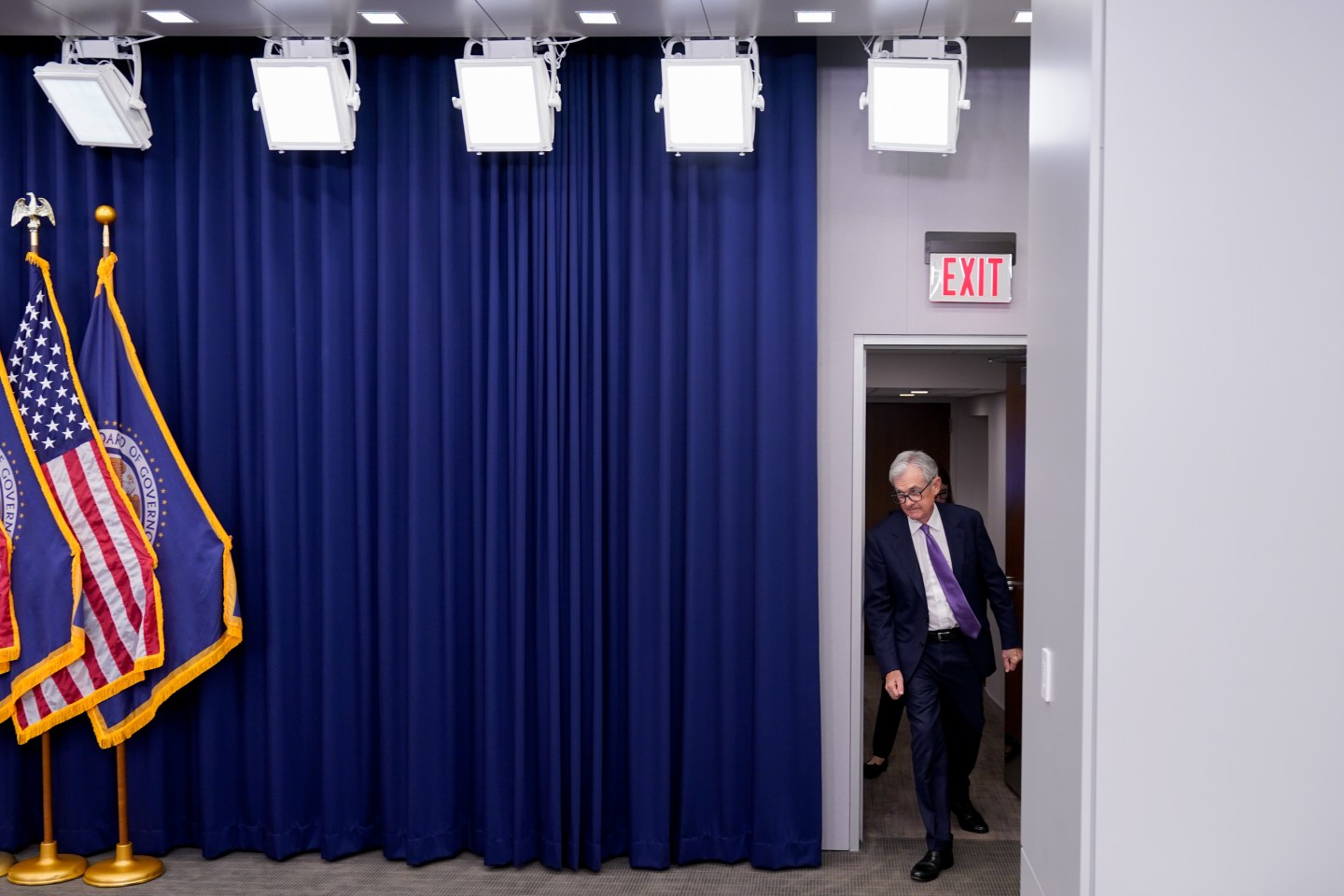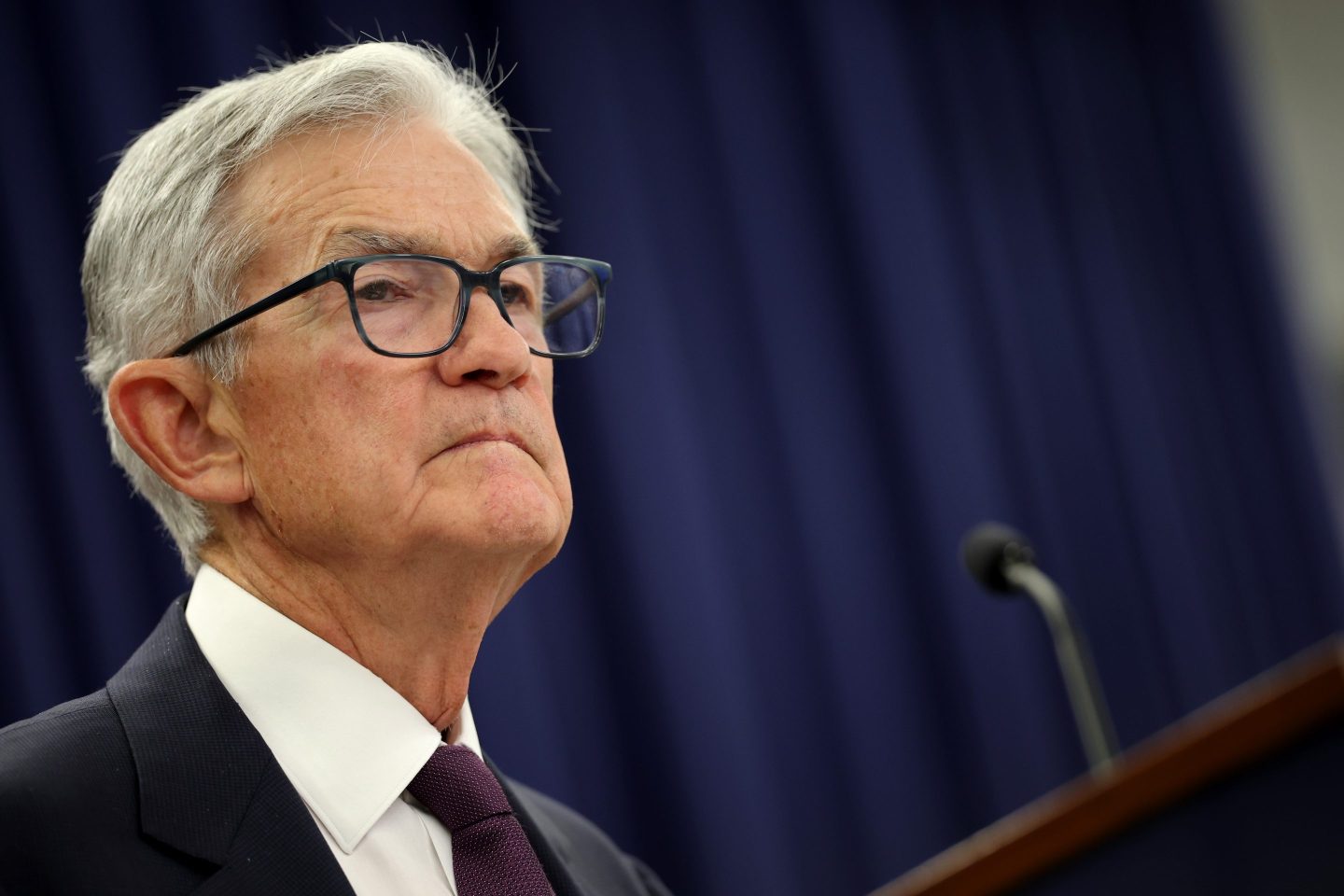
Today is like Christmas morning for markets: Will they be granted their wish for December and have a final interest rate cut for the year delivered by Santa Jerome Powell? So far, the signs are pointing to yes.
Investors priced in an 87.6% likelihood of a reduction from the Federal Open Market Committee (FOMC) this afternoon, down by 25 basis points to 3.5% to 3.75%. The data has been laying the tracks for such a cut, though speculators also warned last week ahead of the Fed meeting that the committee may be more divided than usual in their outlook on the economy.
After all, the Fed has two key mandates: maintaining price rises at 2% and ensuring the unemployment rate remains stable. These priorities are increasingly conflicting. Inflation is sticky at 3%, while the unemployment rate has risen to 4.4% in the past few months.
So while a Fed cut often gives markets a boost because it means an influx of cheaper borrowing and, as a result, greater economic activity, it seems a rate cut this month may be more about steadying the ship as opposed to strengthening the currents running beneath it.
The cut is “probably not meant to be stimulatory,” said UBS chief economist Paul Donovan in a note to clients this morning. He said: “It would be strange to stimulate as U.S. Inflation creeps higher, and most projections suggest it has higher to go before it peaks. However, there is little that the Fed can do to directly change the inflation consequences of either supply shocks or trade tariffs. It could offset them by causing deflation in other areas of the U.S. Economy, but that might be considered an excessively high amount of economic damage to levy.”
He added: “Ignoring the inflation it cannot help without stimulating inflation in areas it can influence seems the most sensible course of action.” The Fed’s decision, therefore, must be focused on the labor side of its mandate.
A cut is something of an “insurance policy against a shattering of the U.S. Labor market,” Donovan added. “So much of the U.S. Growth outlook depends on keeping the fear of unemployment suitably low.”
Should fears over unemployment creep up, then consumers may pull back spending at a time when the government is investing heavily in fiscal stimulus.
Joe Brusuelas, chief economist at RSM, is also expecting a cut today. He warned: “None of the models that we run to estimate the Fed’s optimal policy rate implies that a rate reduction is appropriate at this time.” However, “growth in the final quarter is likely to arrive well below the 1.8% long-term trend, and hiring is set to slow over the next few months. The Fed appears predisposed to put in place a bit of downside insurance despite the fiscal stimulus set to arrive in 2026.”
A foregone conclusion
Investors looking to convince themselves of an imminent cut may already have a shred of evidence, Donovan added: “If one wants to engage in conspiracy theories, one might suggest that the fact the Fed did not delay the meeting until after the missing employment data was released, is a signal that the Fed chair is sufficiently confident in the outcome as to be happy to move without much new information.”
“The Federal Reserve appears set to cut interest rates at the conclusion of the December meeting, bucking the assumption embedded in the baseline forecast,” chimed Ryan Sweet, chief U.S. Economist at Oxford Economics. “A cut of 25 basis points in December wouldn’t alter the contours of the forecast for GDP, unemployment, or inflation next year.”
However, it does alter the bandwidth for further cuts in 2026, he said. If the Fed does cut today, Sweet wrote, “we’ll remove the March cut in the January baseline because the central bank will want time to gauge how past cuts are impacting the economy.”