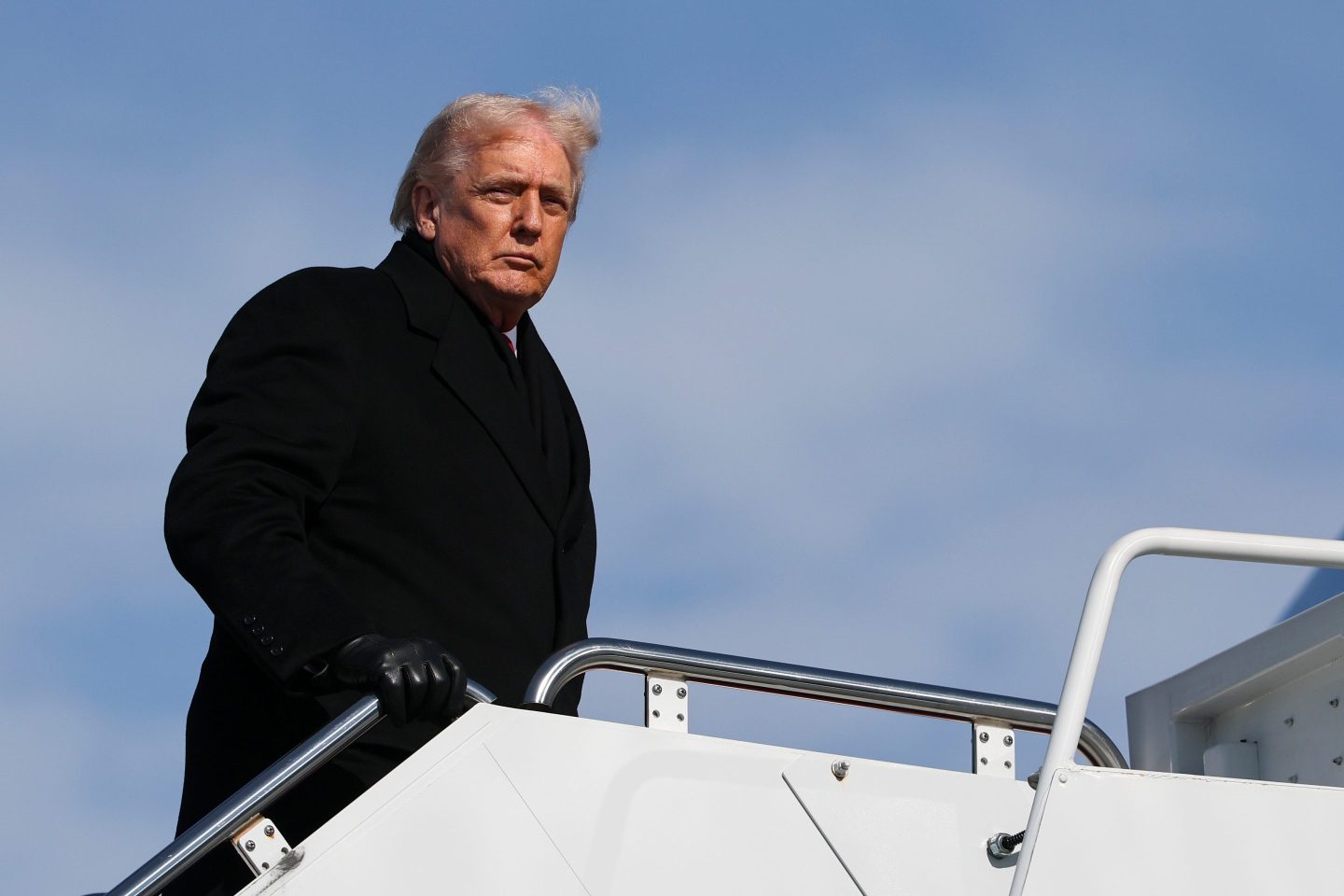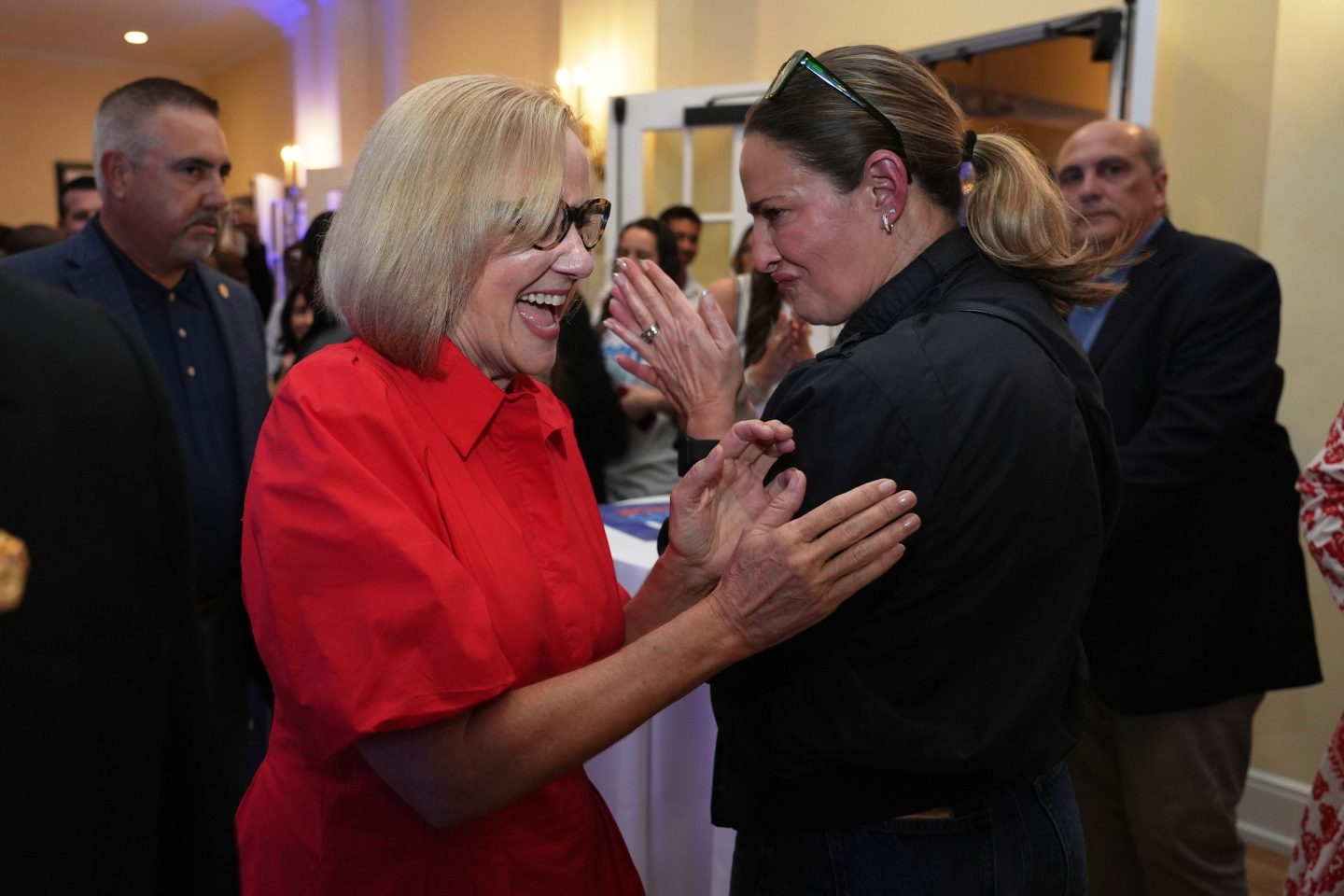
Democrat Eileen Higgins won the Miami mayor’s race on Tuesday, defeating a Republican endorsed by President Donald Trump to end her party’s nearly three-decade losing streak and give Democrats a boost in one of the last electoral battles ahead of the 2026 midterms.
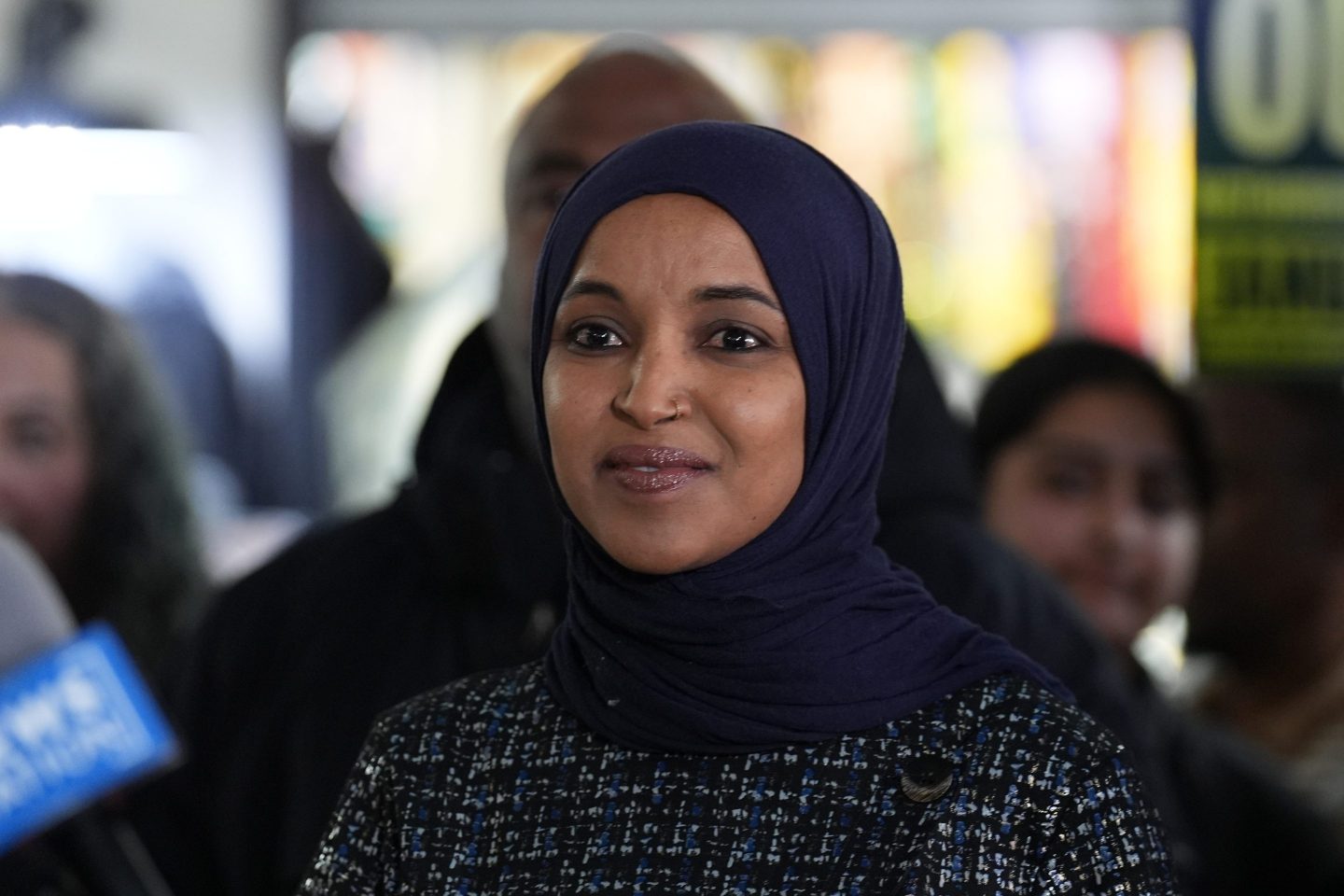
Higgins, 61, will be the first woman to lead the city of Miami. She spoke frequently in the Hispanic-majority city about Trump’s immigration crackdown, saying she has heard of many people in Miami who were worried about family members being detained. She campaigned as a proud Democrat despite the race being officially nonpartisan and beat Trump-backed candidate Emilio Gonzalez, a former city manager, who said he called Higgins to congratulate her.
“We are facing rhetoric from elected officials that is so dehumanizing and cruel, especially against immigrant populations,” Higgins told The Associated Press after her victory speech. “The residents of Miami were ready to be done with that.”
With nearly all votes counted Tuesday, Higgins led the Republican by about 19 percentage points.
The local race is not predictive of what may happen at the polls next year. But it drew attention from the two major national political parties and their leaders. The victory provides Democrats with some momentum heading into a high-stakes midterm election when the GOP is looking to keep its grip in Florida, including in a Hispanic-majority district in Miami-Dade County. The area has shifted increasingly rightward politically in recent years, and the city may become the home of Trump’s presidential library.
“Tonight’s result is yet another warning sign to Republicans that voters are fed up with their out-of-touch agenda that is raising costs,” said Ken Martin, the chair of the Democratic National Committee, in a statement.
Some nationally recognized Democrats supported Higgins, including former Transportation Secretary Pete Buttigieg. U.S. Sen. Ruben Gallego and former Chicago Mayor Rahm Emanuel traveled to Miami on Sunday and Monday to rally voters for the Democrat who served as a Miami-Dade county commissioner for seven years.
Higgins, who speaks Spanish, represented a district that leans conservative and includes the Cuban neighborhood of Little Havana. When she first entered politics in 2018, she chose to present herself to voters as “La Gringa,” a term Spanish speakers use for white Americans, because many people did not known how to pronounce her name.
“It just helps people understand who I am, and you know what? I am a ‘gringa,’ so, what am I going to do, deny it?” She told the AP.
Republicans’ anxiety grows
Republicans in Florida have found strong support from voters with heritage from Cuba, Venezuela and Nicaragua, because they likened some members of the Democratic party’s progressive wing with politicians from the governments they fled. Trump and other GOP members have tapped into those sentiments over the past eight years.
However, some local Republicans are growing increasingly frustrated since November’s elections when Democrats scored wins in New Jersey and Virginia, where both winning gubernatorial candidates performed strongly with nonwhite voters.
The results from those races were perceived as a reflection of concerns over rising prices and the Trump administration’s aggressive immigration policies.
U.S. Rep. Maria Elvira Salazar, a Republican whose district is being targeted by Democrats and includes the city of Miami, called the elections elsewhere a “wake-up call.” She said Hispanics also want a secure border and a healthy economy but some relief for “those who have been here for years and do not have a criminal record.”
“The Hispanic vote is not guaranteed,” Salazar said in a video posted on X last month. “Hispanics married President Trump, but they are only dating the GOP.”
David Jolly, who is running to represent Democrats in the Florida governor’s race next year, said the mayoral election was good news for Democrats in what used to be a battleground state.
“Change is here. It’s sweeping the nation, and it’s sweeping Florida,” Jolly said.
Miami mayor-elect gains national platform
The mayoral position in Miami is more ceremonial, but Higgins promised to execute it like a full-time job.
The city is part of Miami-Dade County, which Trump flipped last year, a dramatic improvement from his 30 percentage point loss to Democrat Hillary Clinton in 2016.
As Florida’s second-largest city, Miami is considered the gateway to Latin America and attracts millions of tourists. Its global prominence gives Higgins a significant stage as mayor.
Her pitch to voters included finding city-owned land that could be turned into affordable housing and cutting unnecessary spending.