Google faces fresh antitrust scrutiny from European Union regulators, who opened an investigation Tuesday into the company’s use of online content for its artificial intelligence models and services.
The latest regulatory flexing by Brussels risks antagonizing President Donald Trump’s administration, though EU officials denied they were singling out American Big Tech companies.
The European Commission, which is the 27-nation bloc’s top antitrust enforcer, said it’s examining whether Google has breached competition rules through its use of content from web publishers and material uploaded to YouTube for AI purposes.
Regulators are concerned that Google has given itself an unfair advantage by using content for two search services, AI Overviews and AI Mode, without paying publishers and content creators or letting them opt out. AI Overviews are automatically generated summaries that appear at the top of its traditional search results, while AI Mode provides chatbot-style answers to search queries.
They’re also examining whether Google uses videos uploaded to YouTube under similar conditions to train its generative AI models, while shutting out rival AI model developers.
Officials said they’re seeking to determine whether Google gained an edge over AI rivals by imposing unfair terms and conditions, or giving itself privileged access to content.
“This complaint risks stifling innovation in a market that is more competitive than ever,” Google said in statement. “Europeans deserve to benefit from the latest technologies and we will continue to work closely with the news and creative industries as they transition to the AI era.”
The Commission, which is the bloc’s executive arm, is carrying out the investigation under the EU’s longstanding competition regulations, rather than its newer Digital Markets Act that was drawn up to prevent Big Tech companies from monopolizing online markets.
“AI is bringing remarkable innovation and many benefits for people and businesses across Europe, but this progress cannot come at the expense of the principles at the heart of our societies,” Teresa Ribera, the commission’s vice president overseeing competition affairs, said in a statement.
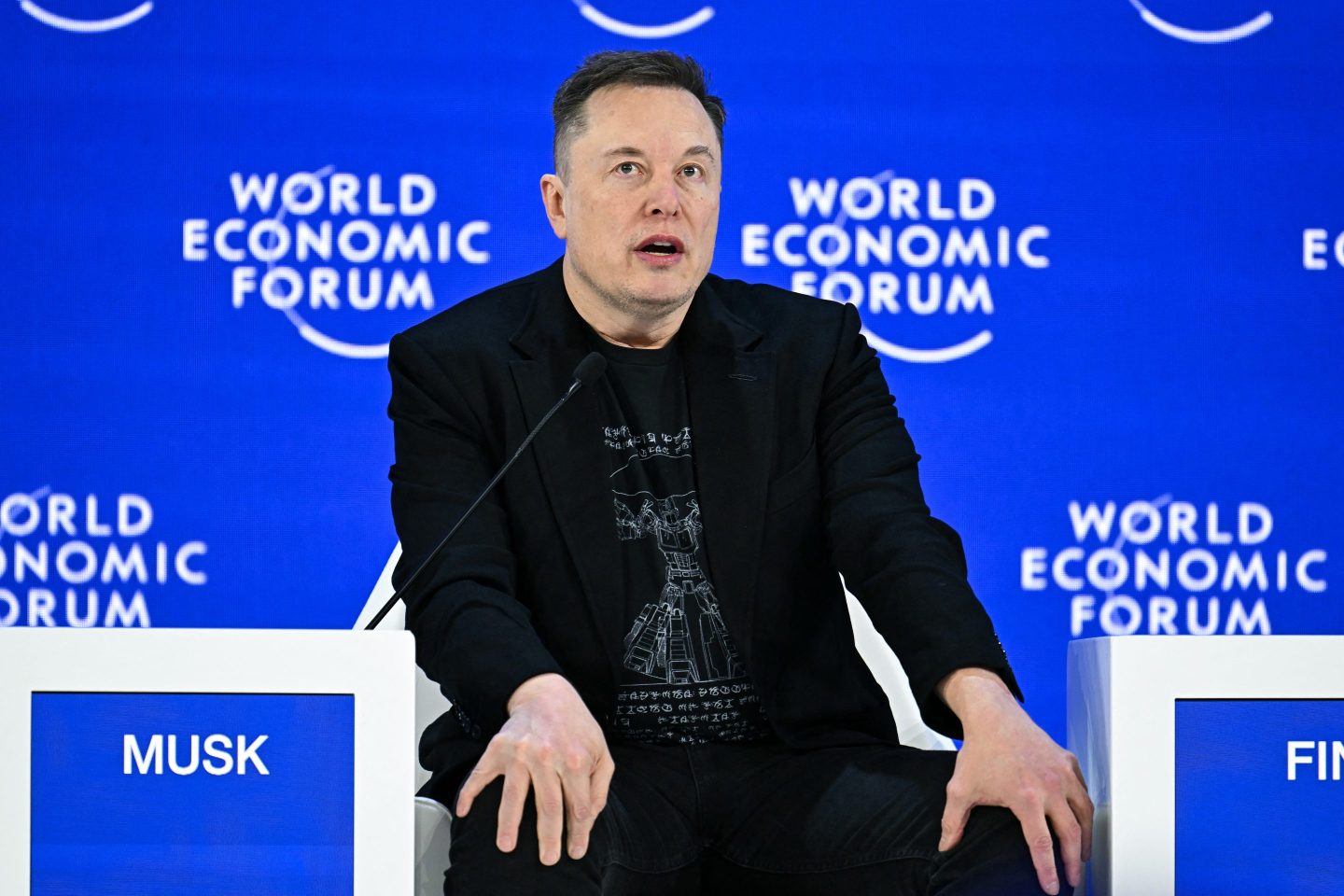
Last week the Commission opened an antitrust investigation into WhatsApp’s AI policy. It also fined Elon Musk’s social media platform X 120 million euros ($140 million) for breaching digital regulations, which drew complaints from Trump officials that American companies were being targeted.
The Commission is “agnostic” about the nationality of companies it is investigating, spokeswoman Arianna Podesta said.
“Of course, the sole focus of our antitrust investigations is a possible illegal behavior and the harm that this could bring to competition and consumers within the European Union,” she told reporters at a regular briefing in Brussels.
Google will have the chance to reply to the concerns and the Commission has also informed U.S. Authorities about the investigation, she said.
Brussels has no deadline to wrap up the case, which could result in sanctions including a fine worth up to 10% of the company’s annual global revenue.
___
Associated Press writer Sam McNeil in Brussels contributed to this report.