Most U.S. Stocks are rising on Thursday, but a drop for Oracle is holding Wall Street back as investors question whether its big spending on artificial-intelligence technology will pay off.
The S&P 500 fell 0.4% in early trading and pulled a bit further from its all-time high, which was set in October. The Dow Jones Industrial Average was up 233 points, or 0.5%, as of 9:35 a.m. Eastern time, and the Nasdaq composite was 0.7% lower.
Oracle was one of the heaviest weights on the market and sank 14.5% even though it reported a better profit for the latest quarter than analysts expected. Its 14% growth in revenue came up just short of expectations.
Doubts also remain about whether all the spending that Oracle is doing on AI technology will produce the payoff of increased profits and productivity that proponents are promising. Analysts said they were surprised by how much Oracle may spend on AI investments this fiscal year, and questions continue about how the company will pay for it.
Such doubts are weighing on the AI industry broadly, even as many billions of dollars continue to flow in. They had helped drag the broad U.S. Stock market through some sharp and scary swings last month.
Nvidia, the chip company that’s become the poster child of the AI boom and is raking in close to $20 billion each month, fell 2.8% Thursday. It was the single heaviest weight on the S&P 500.
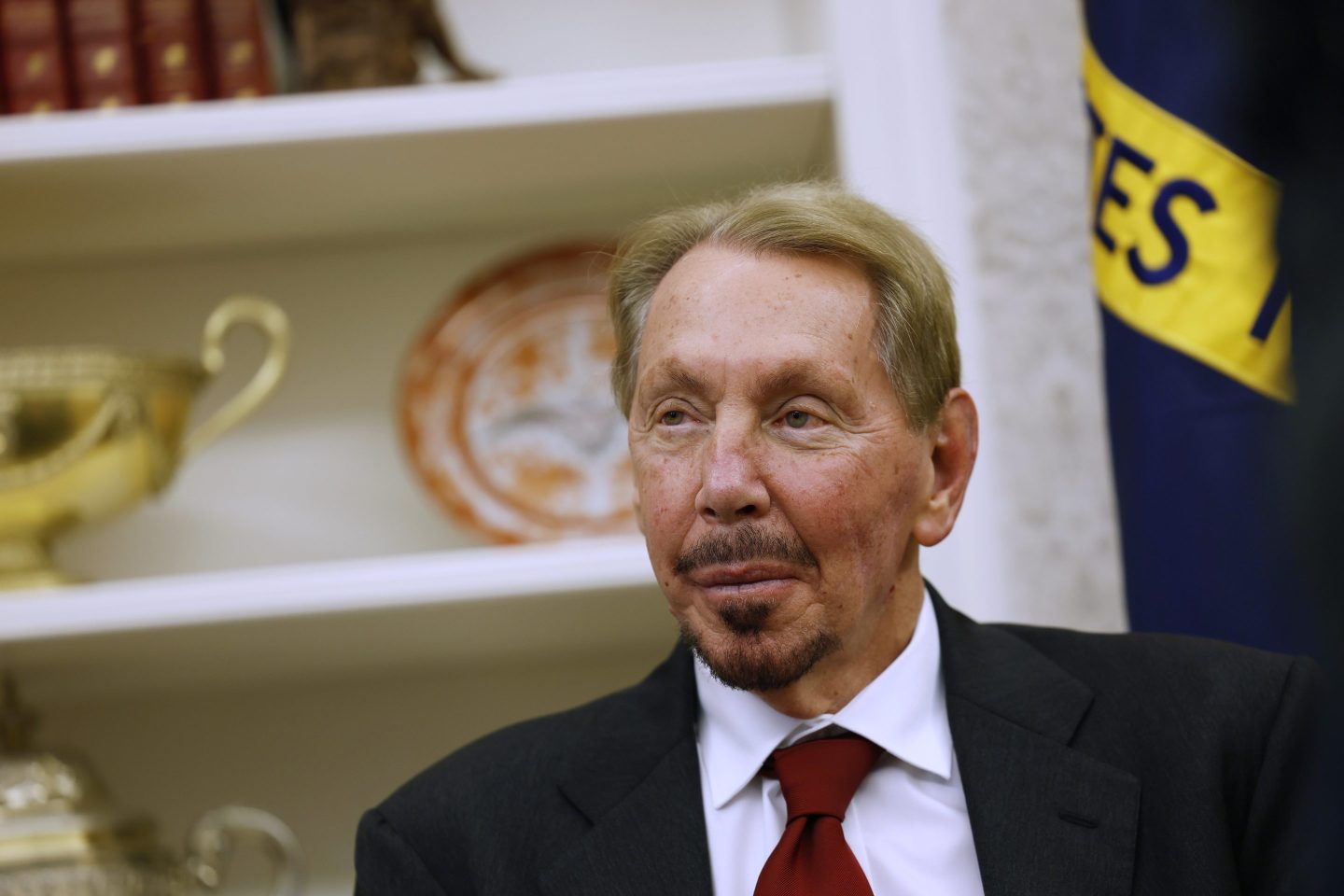
Oracle Chairman Larry Ellison said it will continue to buy chips from Nvidia, but it’s now taking a policy of “chip neutrality,” where it will use “whatever chips our customers want to buy. There are going to be a lot of changes in AI technology over the next few years and we must remain agile in response to those changes.”
Most U.S. Stocks nevertheless rose, thanks in part to easing Treasury yields in the bond market. The yield on the 10-year Treasury fell to 4.10% from 4.13% on Wednesday and from 4.18% on Tuesday.
Lower Treasury yields mean U.S. Government bonds are paying less in interest, which can encourage investors to pay higher prices for stocks and other kinds of investments.
Yields fell after a report said the number of U.S. Workers applying for unemployment benefits jumped last week by more than economists expected. That’s a potential indication of rising layoffs.
A day earlier, yields eased after the Federal Reserve cut its main interest rate for the third time this year and indicated another cut may be ahead in 2026. Wall Street loves lower interest rates because they can boost the economy and send prices for investments higher, even if they potentially make inflation worse.
The Walt Disney Co. Was among the market’s strongest gainers. It climbed 2.1% after OpenAI announced a three-year agreement that will allow it to use more than 200 Disney, Marvel, Pixar and Star Wars characters to generate short, user-prompted social videos. Disney is also investing $1 billion in OpenAI.
Elsewhere on Wall Street, Oxford Industries tumbled 15.1% after the company behind Tommy Bahama and Lilly Pulitzer said its customers have been seeking out deals and are “highly value-driven.” CEO Tom Chubb said the start of the holiday shopping season has been weaker than the company expected, and it cut its forecast for revenue over the full year.
Vera Bradley, meanwhile, fell 26% after reporting a larger loss than expected.
In stock markets abroad, indexes ticked higher in Europe after falling in much of Asia.
Japan’s Nikkei 225 index sank 0.9%, hurt by a sharp drop for SoftBank Group Corp., which is a major investor in AI.
___
AP Writers Teresa Cerojano and Matt Ott contributed.