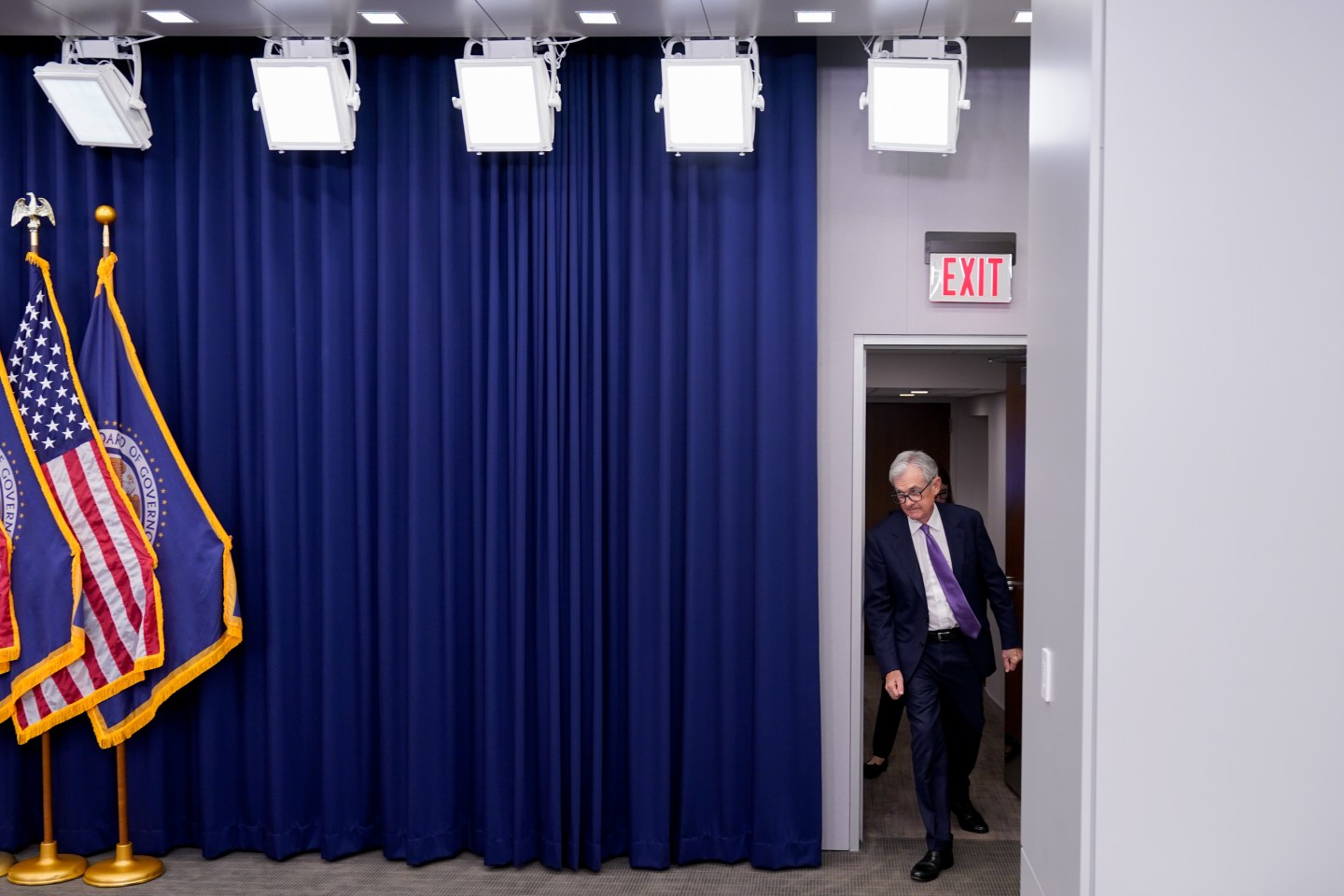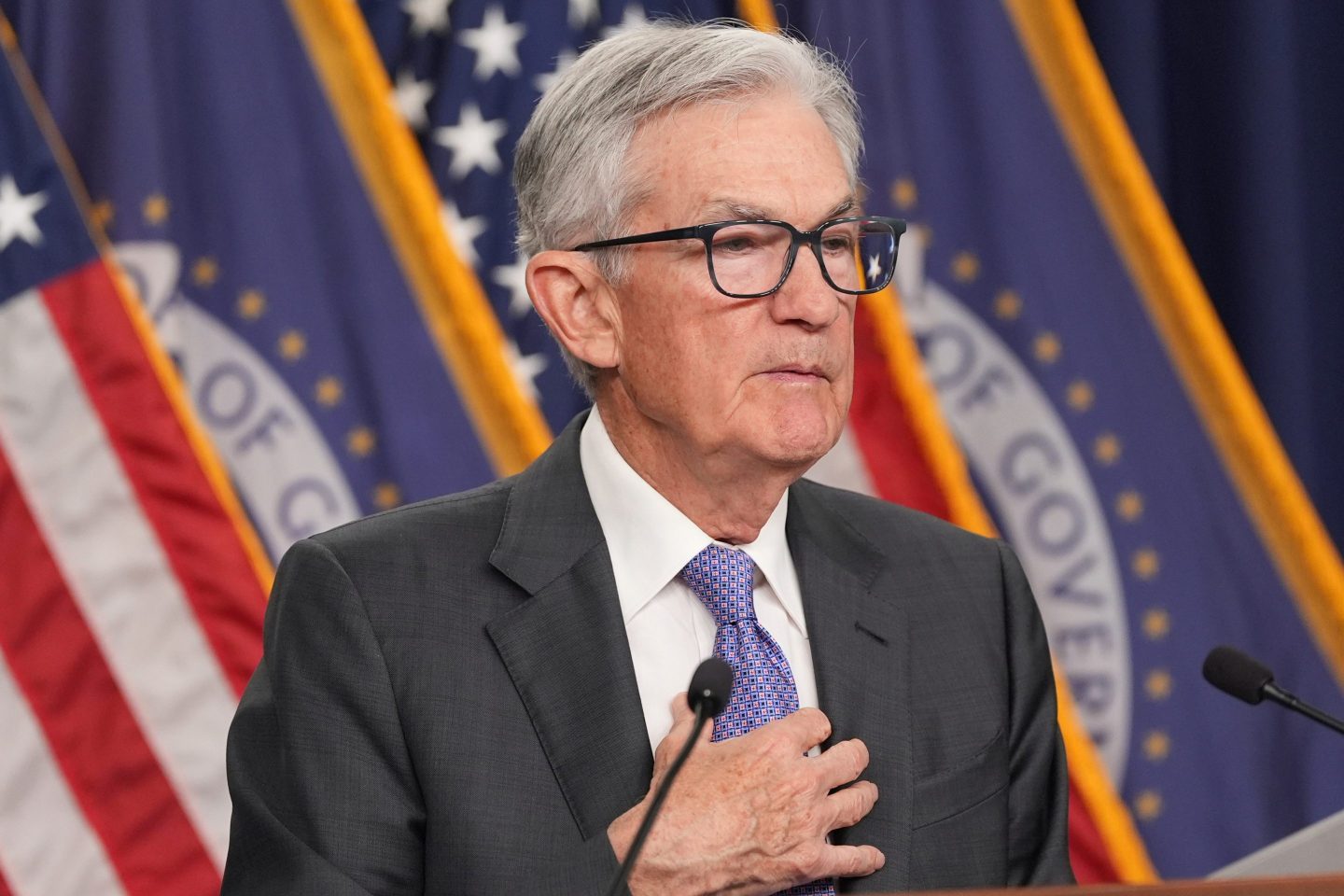
The Federal Reserve reduced its key interest rate by a quarter-point for the third time in a row Wednesday but signaled that it may leave rates unchanged in the coming months.
The cut decreased the Fed’s rate to about 3.6%, the lowest it has been in nearly three years. Lower rates from the Fed can bring down borrowing costs for mortgages, auto loans, and credit cards over time, though market forces can also affect those rates.
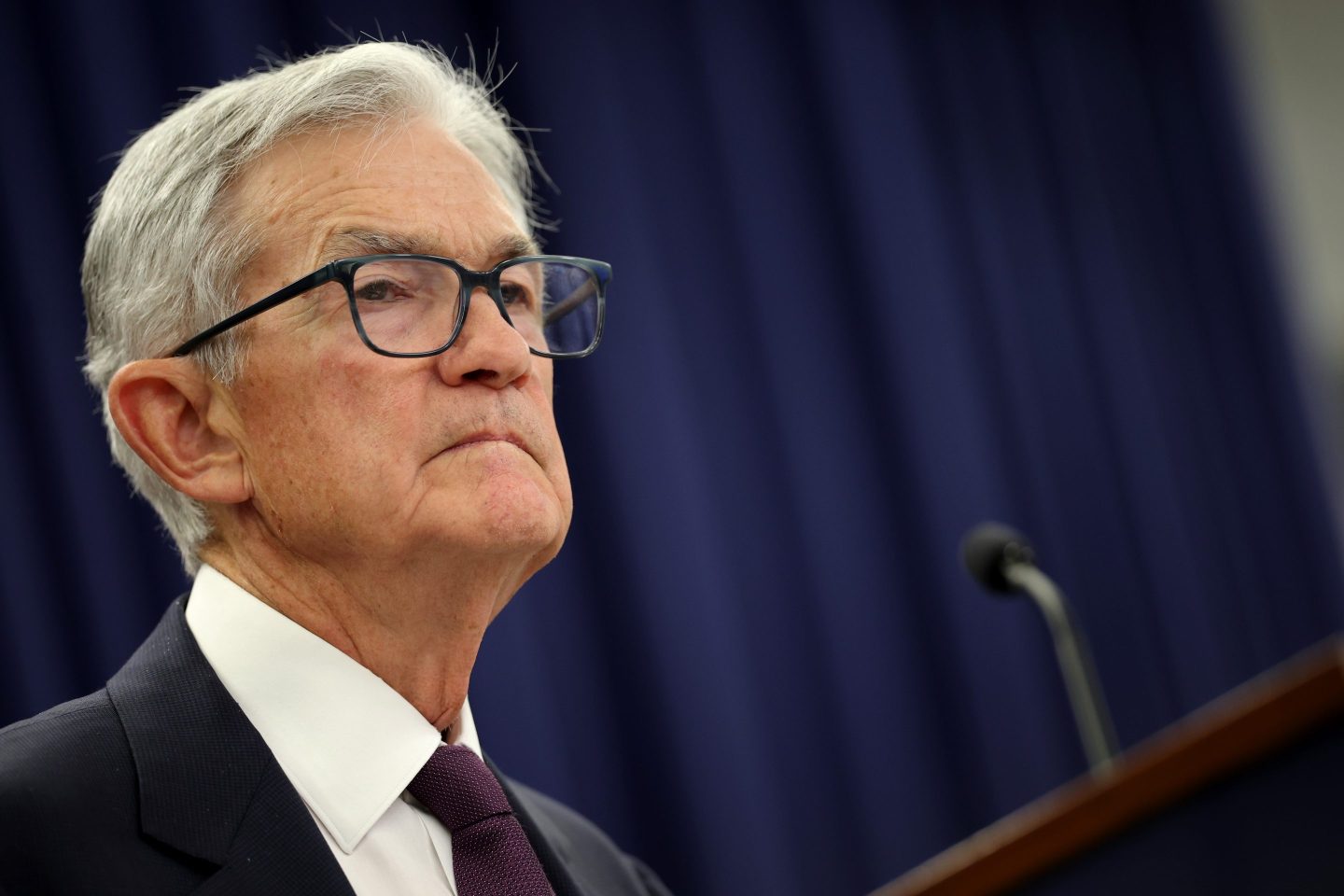
Chair Jerome Powell suggested at a news conference that after six rate cuts in the past two years, the central bank can step back and see how hiring and inflation develop. In a set of quarterly economic projections, Fed officials signaled they expect to lower rates just once next year.
Fed officials “will carefully evaluate the incoming data,” Powell said, adding that the Fed is “well positioned to wait to see how the economy evolves.”
The chair also said that the Fed’s key rate was close to a level that neither restricts nor stimulates the economy, a significant shift from earlier this year, when he described the rate as high enough to slow the economy and quell inflation. With rates closer to a more neutral level, the bar for further rate cuts is likely higher that it was this fall.
“We believe the labor market will have to noticeably weaken to warrant another rate cut soon,” Ryan Sweet, global chief economist at Oxford Economics, said.
Three Fed officials dissented from the move, the most dissents in six years and a sign of deep divisions on a committee that traditionally works by consensus. Two officials voted to keep the Fed’s rate unchanged: Jeffrey Schmid, president of the Kansas City Fed, and Austan Goolsbee, president of the Chicago Fed. Stephen Miran, whom Trump appointed in September, voted for a half point cut.
December’s meeting could usher in a more contentious period for the Fed. Officials are split between those who support reducing rates to bolster hiring and those who’d prefer to keep rates unchanged because inflation remains above the central bank’s 2% target. Unless inflation shows clear signs of coming fully under control, or unemployment worsens, those divisions will likely remain.
“What you see is some people feel we should stop here and we’re in the right place and should wait, and some people think we should cut more next year,” Powell said.
A stark sign of the Fed’s divisions was the wide range of cuts that the 19 members of the Fed’s rate-setting committee penciled in for 2026. Seven projected no cuts next year, while eight forecast that the central bank would implement two or more reductions. Four supported just one. Only 12 out of 19 members vote on rate decisions.
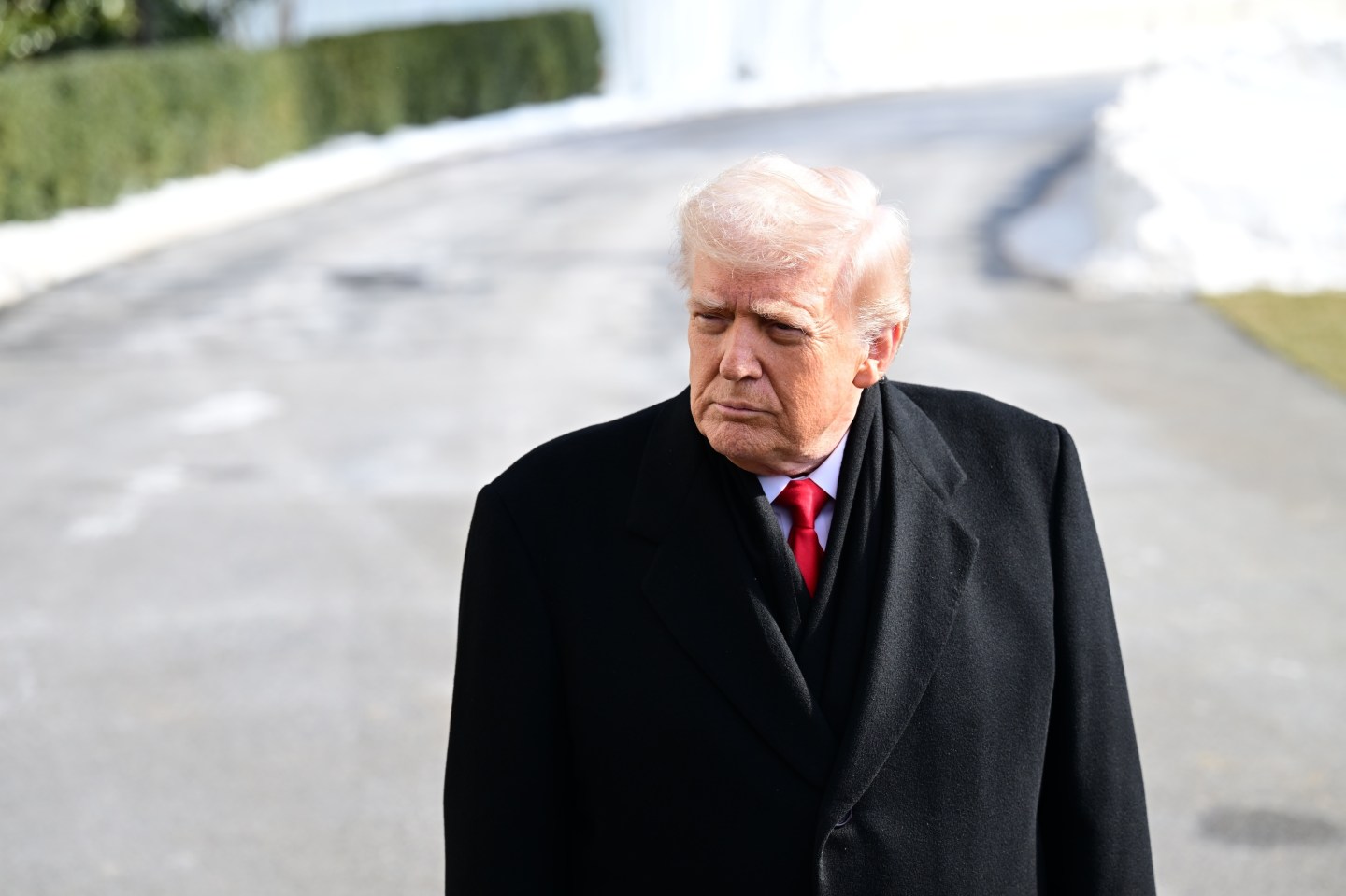
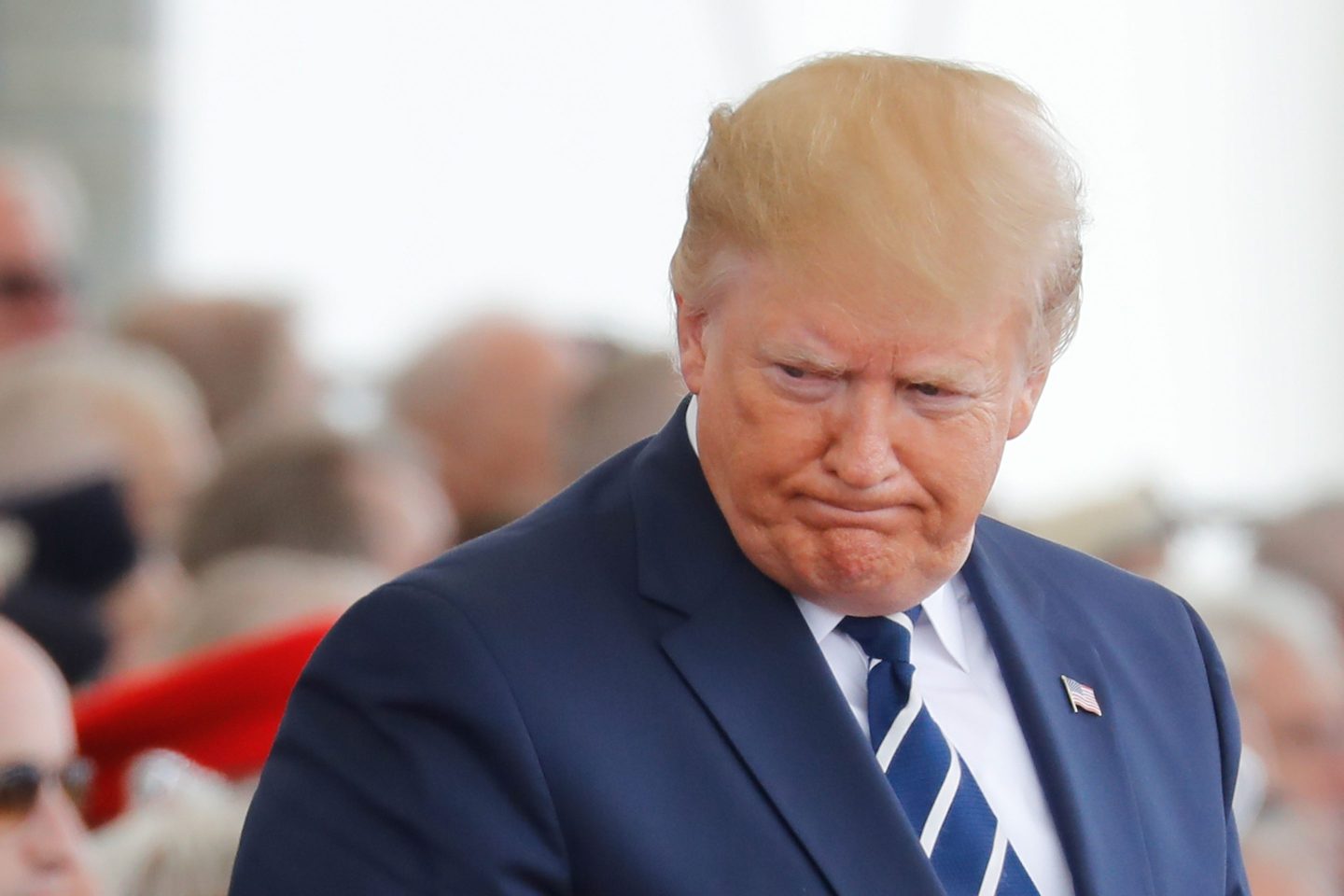
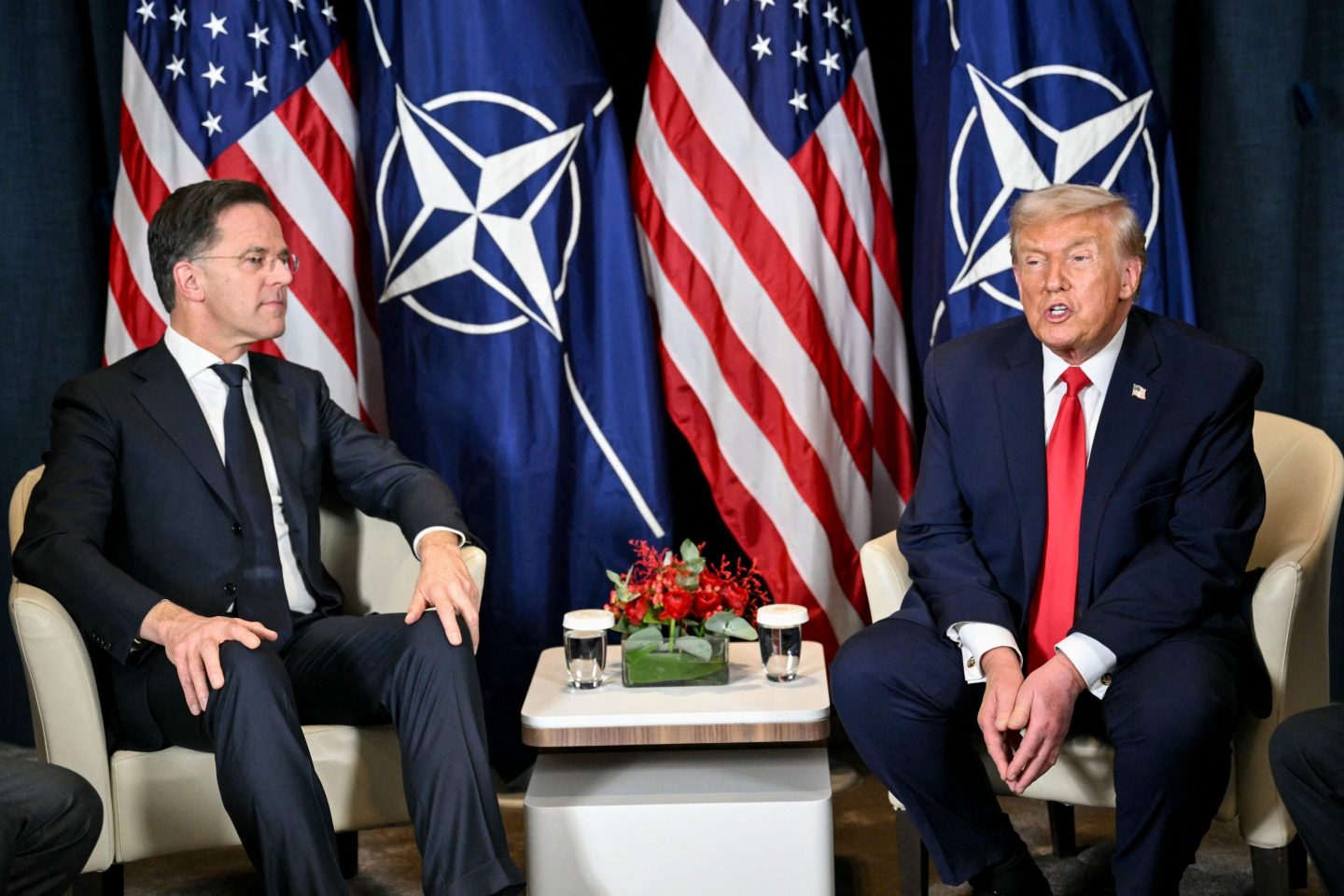
President Donald Trump on Wednesday criticized the cut as too small, and said he would have preferred “at least double.” Trump could name a new Fed chair as soon as later this month to replace Powell when his term ends in May. Trump’s new chair is likely to push for sharper rate cuts than many officials will support.
Stocks jumped in response to the Fed’s move, in part because some Wall Street investors expected Powell to be more forceful in shutting down the possibility of future cuts. The broad S&P 500 stock index rose 0.7% and closed near an all-time high reached in October.
Powell was also optimistic about the economy’s growth next year, and said that consumer spending remains resilient while companies are still investing in artificial intelligence infrastructure. He also suggested growing worker efficiency could contribute to faster growth without more inflation.
Still, Powell said the committee reduced borrowing costs out of concern that the job market is even weaker than it appears. While government data shows that the economy has added just 40,000 jobs a month since April, Powell said that figure could be revised lower by as much as 60,000, which would mean employers have actually been shedding an average of 20,000 jobs a month since the spring.
“It’s a labor market that seems to have significant downside risks,” Powell told reporters. “People care about that. That’s their jobs.”
The Fed met against the backdrop of elevated inflation that has frustrated many Americans, with prices higher for groceries, rents, and utilities. Consumer prices have jumped 25% in the five years since COVID.
“We hear loud and clear how people are experiencing really high costs,” Powell said Wednesday. “A lot of that isn’t the current rate of inflation, a lot of that is e mbedded high costs due to higher inflations in 2022-2023.”
Powell said inflation could move higher early next year, as more companies pass tariff costs to consumers as they reset prices to start the year. Inflation should decline after that, he added, but it’s not guaranteed.
“We just came off an experience where inflation turned out to be much more persistent than anyone expected,” he said, referring to the spike in 2022. “Is that going to happen now? That’s the risk.”
The Fed’s policy meeting took place as the Trump administration moves toward picking a new Fed chair to replace Powell when his term finishes in May. Trump’s nominee is likely to push for sharper rate cuts than many officials may support.
Trump has hinted that he will likely pick Kevin Hassett, his top economic adviser. But on Wednesday, Trump said he would meet with Kevin Warsh, a former Fed governor who has also been on the short list to replace Powell.
Trump added that he wants someone who will lower interest rates. “Our rates should be the lowest rates in the world,” he said.
A government report last week showed that overall and core prices rose 2.8% in September from a year earlier, according to the Fed’s preferred measure. That is far below the spikes in inflation three years ago but still painful for many households after the big run-up since 2020.
Adding to the Fed’s challenges, job gains have slowed sharply this year and the unemployment rate has risen for three straight months to 4.4%. While that is still a low rate historically, it is the highest in four years. Layoffs are also muted, so far, as part of what many economists call a “low hire, low fire” job market.
The Fed typically keeps its key rate elevated to combat inflation, while it often reduces borrowing costs when unemployment worsens to spur more spending and hiring.
Powell will preside over only three more Fed meetings before he steps down. On Wednesday, he was asked about his legacy.
“I really want to turn this job over to whoever replaces me with the economy in really good shape,” he said. “I want inflation to be under control, coming back down to 2%, and I want the labor market to be strong.”
___
Associated Press Writers Collin Binkley and Alex Veiga in Los Angeles contributed to this report.