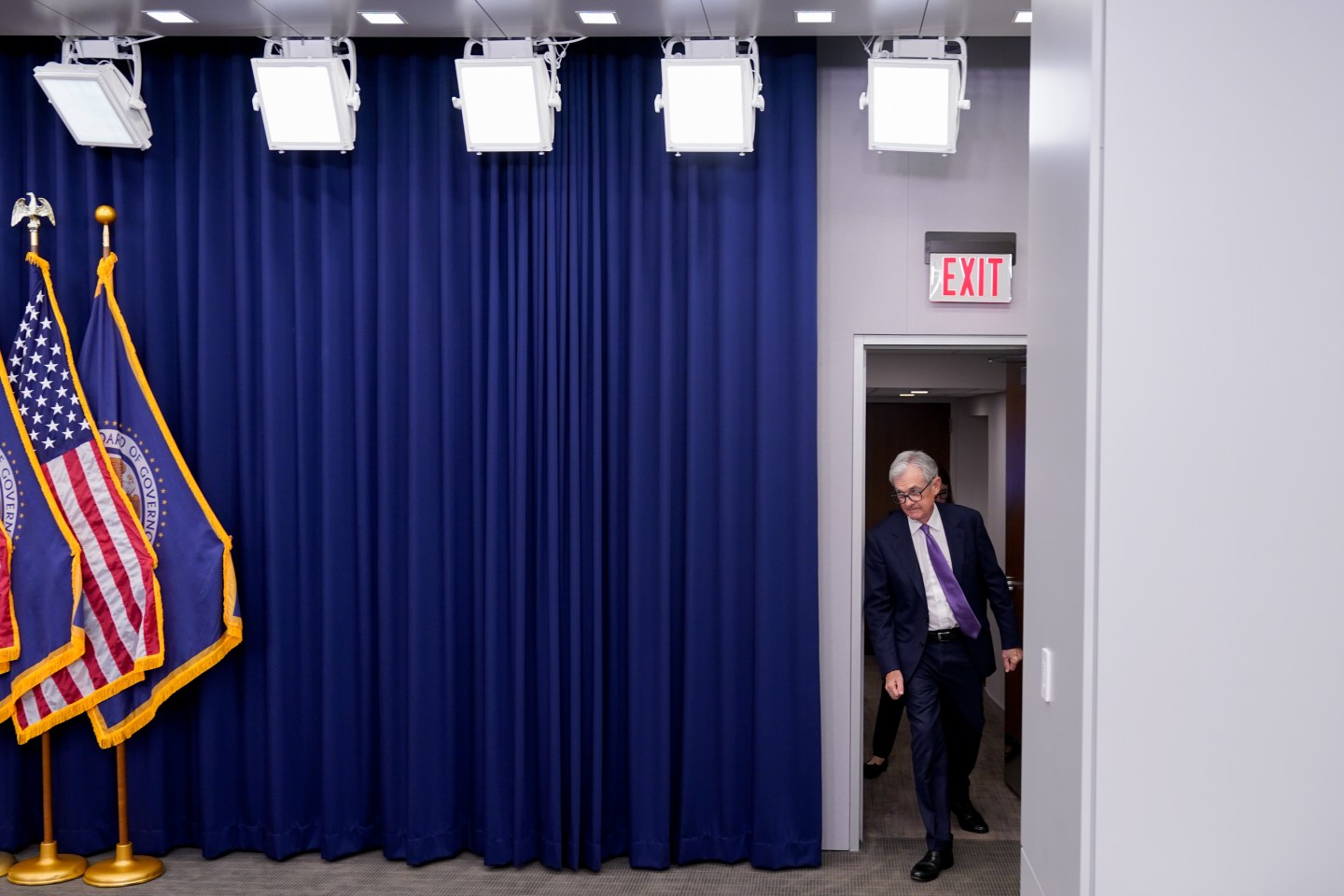
For the third meeting in a row, the Federal Reserve cut interest rates—a “hawkish” move in an effort to help a softening labor market. The 0.25% cut brought the interest rate range to 3.5% to 3.75%—but economists and housing experts warn that’s not going to affect mortgage rates in the way potential homebuyers were hoping for.
Chen Zhao, head of economics research at Redfin, wrote in a Wednesday post that the Fed’s December interest rate cut won’t move mortgage rates “because markets have already priced it in.”
The Federal Reserve controls the Federal funds rate, which is a rate that banks charge each other and is more closely tied to credit cards, personal loans, and home-equity lines. A standard 30-year mortgage, on the other hand, is a long-term loan, and the pricing of those loans are tied more closely to yields on longer-term bonds like the 10-year Treasury and mortgage-backed securities.
“Since this rate cut was no surprise, the markets have taken it in stride,” 43-year mortgage industry veteran Melissa Cohn, regional vice president of William Raveis Mortgage, told Coins2Day. She said more dropping shoes in terms of economic data will be the real turning point: “The future of bond yields and mortgage rates will be determined as new data on jobs and inflation get released.”
The current mortgage rate is 6.3%, according to Mortgage News Daily, which is of course much higher than the sub-3% rate that homebuyers from the pandemic era remember, although it’s also a far cry from the 8% peak in October 2023.
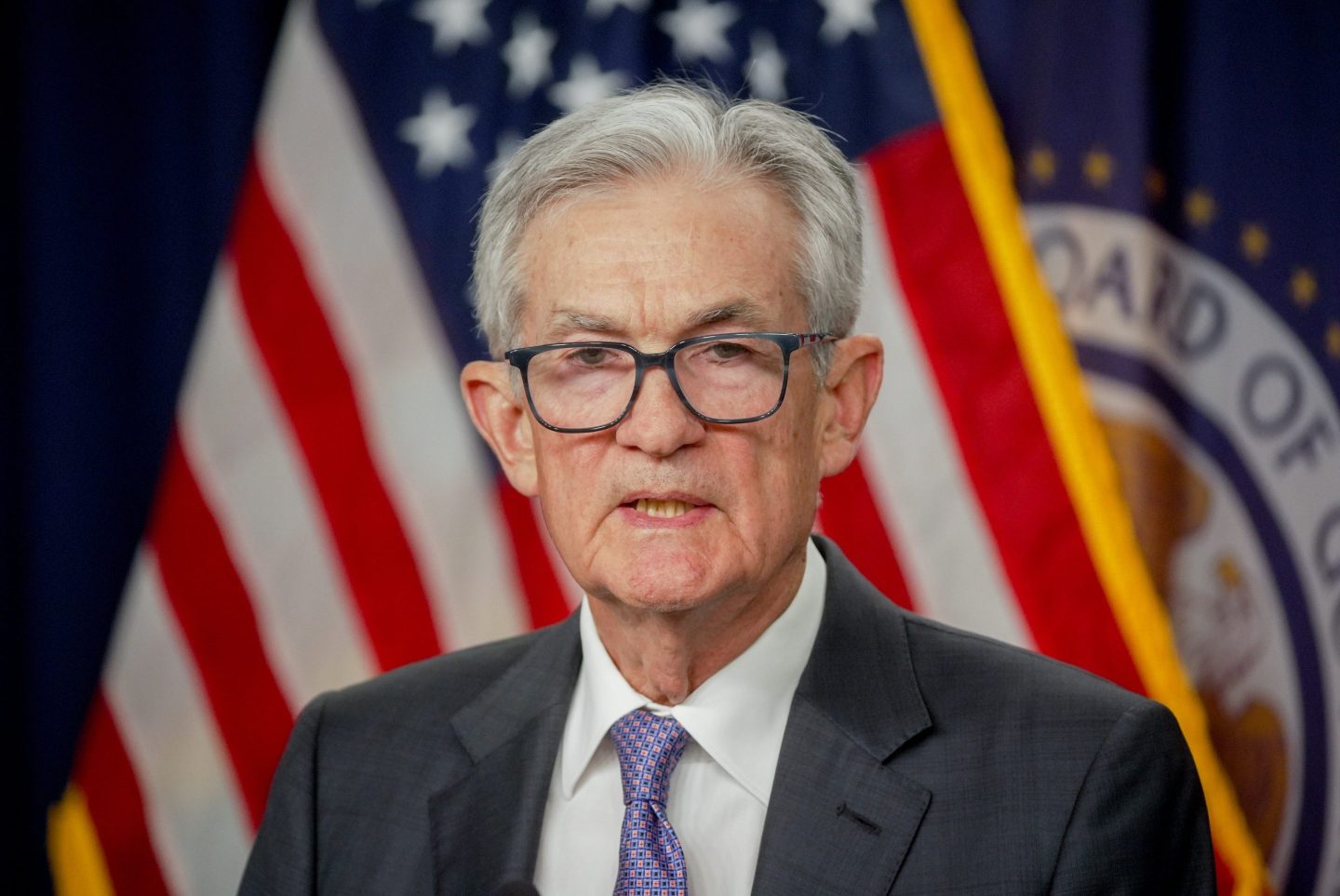
“The committee’s projections and Chair Jerome Powell’s remarks indicate that this will be the last interest cut for a while,” Zhao wrote. “Given the underlying economic fundamentals of 3% inflation coupled with a weakening—but not recessionary—labor market, the Fed is likely to hold steady in the near future.
“Mortgage rates are unlikely to fall or rise by much,” she continued.
How mortgage rates affect housing affordability
Mortgage rates are just one piece of the housing affordability puzzle. While it may feel as if it’s the major roadblock in the ability to buy a home—especially having a recent memory of the pandemic housing boom—mortgage rates are only one factor.
To put it in perspective, Zillow reported earlier this year not even a 0% mortgage rate would make buying a house affordable in several major U.S. Cities.
Let that sink in.
Even without any interest accrued on a loan, homebuying is still out of reach for the typical American. Much of the affordability crisis has to do with home prices, which are more than 50% higher than in 2020. This has locked out new homebuyers from entering the market and current homeowners from selling.
The mortgage rate drop required to make an average home affordable (to about 4.43%) for the typical buyer is “unrealistic,” according to Zillow economic analyst Anushna Prakash.
“It’s unlikely rates will drop to the mid-[4% range] anytime soon,” Arlington, Va.–based real estate agent Philippa Main told Coins2Day. “And even if they did, housing prices are still at historic highs.” With 11 years of experience, Main is also a licensed mortgage loan officer.
To be sure, some economists see some light at the end of the tunnel for homebuyers plagued by high mortgage rates and home prices.
“For prospective buyers who have been waiting on the sidelines, the housing market is finally starting to listen,” wrote First American chief economist Mark Fleming in an Aug. 29 blog post. First American’s analysis takes into account inflation, and Fleming said: “The price of a house today is not directly comparable to the price of that same house 30 years ago.”