Good morning. And RIP to actor-director-producer Rob Reiner, who may have little connection to the business of technology but left an indelible mark on yours truly with a certain 1984 mockumentary.
(How many gigs did my band start with, “Hello, Cleveland”? Oh, don’t ask.)
If only we had seen Reiner apply his exuberant exasperation to a Silicon Valley story. An Eric Schmidt character? A Ron Conway, perhaps? We can only dream.
Today’s tech news below. —Andrew Nusca
Want to send thoughts or suggestions to Coins2Day Tech? Drop a line here.
Ford takes a $19.5 billion hit as EV demand drops
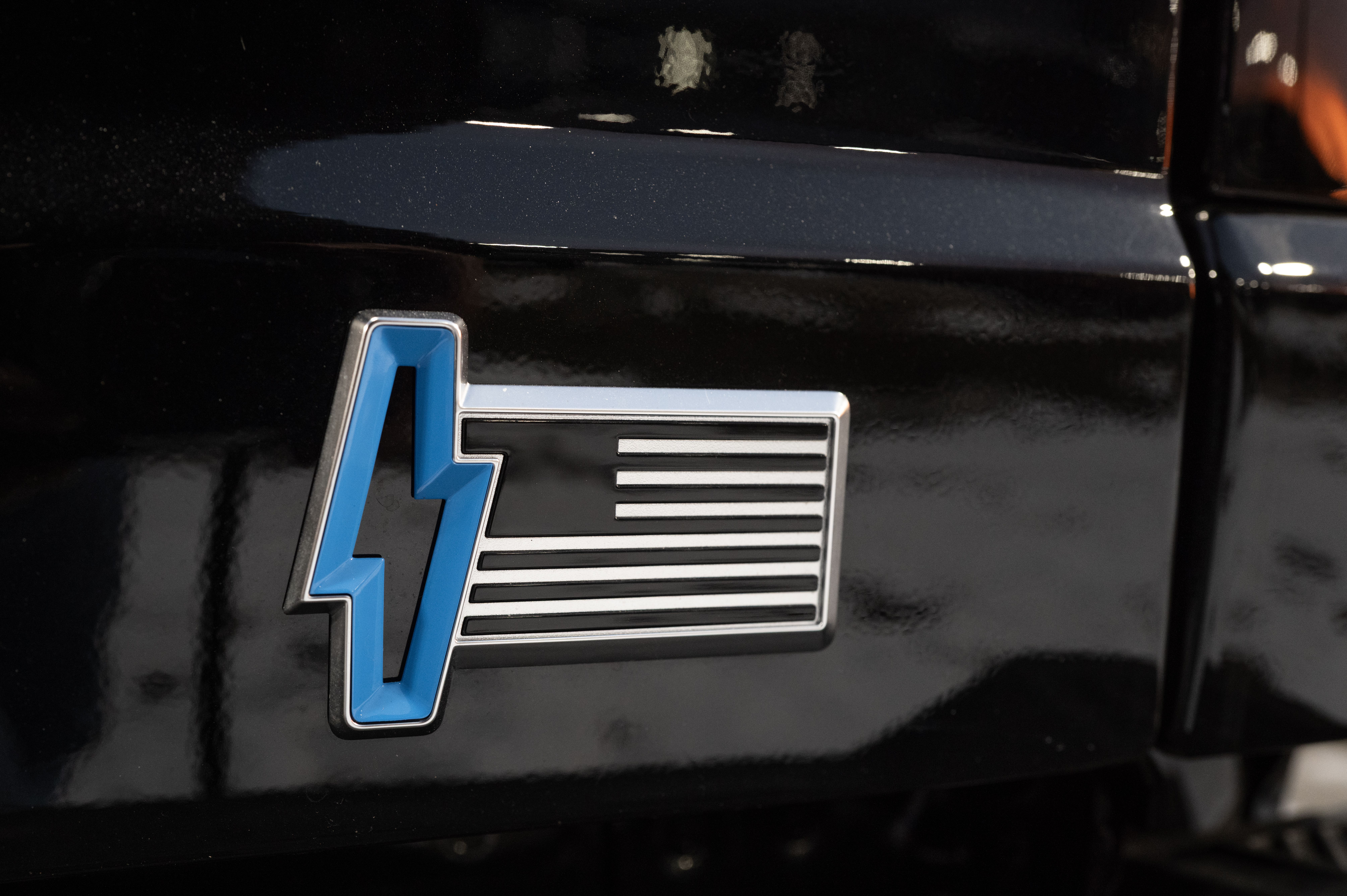
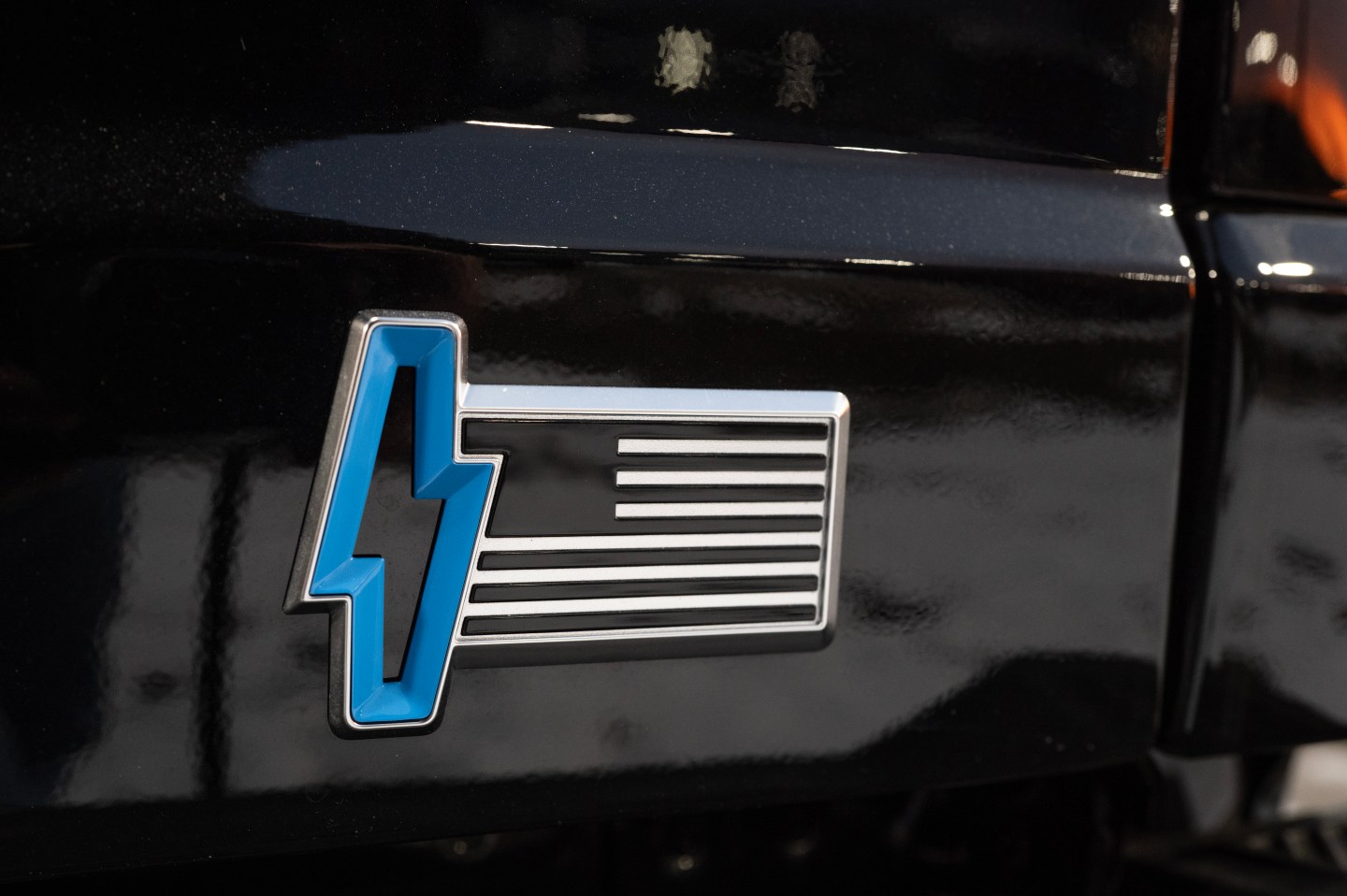
Ford said Monday that it expects to take about $19.5 billion in charges, mostly stemming from its troubled electric vehicle operations.
What’s more, the automaker will stop making the “Lightning” EV variant of its eternally popular F-150 pickup truck.
According to the Wall Street Journal, Ford has lost $13 billion on its EV business since 2023.
That doesn’t mean Ford is giving up on electric powertrains. It plans to cut its loss-makers and put its resources behind more profitable bets (such as hybrid vehicles that contain both gasoline-powered and electric components).
The rapid shifts in the U.S. Market haven’t been kind to Ford, which made big bets on all-electric vehicles during previous White House administrations that were more supportive of the tech.
(Words the current occupant has used in reference to EVs and related federal credits: “Hoax,” “lunacy,” illegal,” “insane.” Just in case it wasn’t clear!)
Things look better with a global view. Electric car sales topped 17 million worldwide in 2024, rising by more than 25%, according to the IEA. There are now more EVs sold in China than there were worldwide in 2022. Several European nations continue to see strong sales despite reduced subsidies and economic stagnation.
Ford still expects that half its global vehicle sales will consist of hybrids and EVs by 2030. In the meantime, it’s shifting its Kentucky EV battery factory away from automotive uses and toward battery storage for utility companies and—what else?—AI data centers. —AN
Luminar files for Chapter 11 bankruptcy
It’s looking bleak for Luminar Technologies.
The Orlando LiDAR manufacturer—in 2021, a Peter Thiel-backed high-flyer; today, trading on the Nasdaq for pennies—had been supplying Volvo with its laser-based automotive sensors for use in its high-end EX90 and ES90 models, but failed to maintain its arrangement with the Swedish automaker.
In a statement, Volvo said it was essentially Luminar’s fault—a “direct result of Luminar’s failure to meet its contractual obligations to Volvo Cars” and the reason the automaker changed the tech from standard kit to optional on the two models in question.
LiDAR will be entirely unavailable on both models from 2026.
Prior to the filing, Luminar struck a $110 million deal with Quantum Computing for its stake in subsidiary Luminar Semiconductor.
It’s now looking to sell its LiDAR business—a technology found in many self-driving cars. (The playing field: Alphabet’s Waymo makes its own sensors; Zoox gets its LiDAR tech from Shanghai’s Hesai; Tesla famously eschews the tech.)
It’s been a rocky road for Luminar. In May, founder Austin Russell was replaced as CEO following an unspecified ethics inquiry. In October, the company warned investors that it would run out of cash in early 2026 as it planned a 25% staff reduction to a workforce of about 600; CFO Thomas Fennimore left last month. —AN
Coins2Day AIQ: The year in AI–and what’s ahead
Businesses took big steps forward on the AI journey in 2025, from hiring Chief AI Officers to experimenting with AI agents. The lessons learned—both good and bad–combined with the technology's latest innovations will make 2026 another decisive year. Explore all of Coins2Day AIQ, and read the latest playbook below:
–The 3 trends that dominated companies’ AI rollouts in 2025.
–2025 was the year of agentic AI. How did we do?
–AI coding tools exploded in 2025. The first security exploits show what could go wrong.
–The big AI New Year’s resolution for businesses in 2026: ROI.
–Businesses face a confusing patchwork of AI policy and rules. Is clarity on the horizon?
More tech
—Trump admin launches U.S. Tech Force. Two-year, $200K gigs for Big Tech workers to help modernize the government.
—Coming soon: PayPal Bank. Applications are in to directly provide loans to small businesses in the U.S.
—Tesla shares reach 2025 high. The automaker’s stock crests $481 as it discloses true driverless robotaxi tests in Austin.
—Intel leadership changes. Trump admin vet Robin Colwell becomes government affairs chief; former CEO chief of staff Pushkar Ranade becomes interim CTO; SambaNova vet Annie Shea Weckesser becomes CMO/CCO.
—CoreWeave shares fall further. Mirroring a broader downturn for AI infrastructure, its stock is down 46%, to $72, since late October.
—GM takes away CarPlay, adds Apple Music. “GM is wrong,” one driver said in the wake of the news. “No,” another concurred.
—The family of late Zappos CEO Tony Hsieh claims a new will that surfaced earlier this year is a forgery.
—xAI faces enterprise challenges. A lack of experience in selling to big businesses is reportedly holding back the company’s gains.