“One-armed beggars selling pencils, but we cannot spare a dime,” goes Bobby Goldboro’s song, “Does anyone know it’s Christmas?” “Save it for the parking meter or we’ll have to pay a fine.” That classic came to mind as I scanned the current global landscape and observed an alarming shortage of empathy.
I know a little about charity and compassion. I’ve had the privilege over the last 15 years of leading a nonprofit private sector organization that specializes in helping communities and businesses cope with natural disasters and crises caused by humans.
The global humanitarian system and virtually every nongovernmental organization and United Nations entity are facing hard times and funding shortages. The shutdown of the United States Agency for International Development has closed hundreds of aid groups and slashed funding for programs that fed the hungry and provided help during disasters. According to OXFAM, healthcare services will be unavailable for up to 95 million people and some 23 million children will lose access to education.
A quarter of a billion people need aid, reports Tom Fletcher, head of the Office for the Coordination of Humanitarian Affairs at the United Nations. But funding has dropped to $12 billion, the lowest in a decade. Only 20% of UN appeals for contributions are supported, he says. Our own organization, the Philippine Disaster Resilience Foundation, lost $1.5 million this year in programs aimed at beefing up preparedness in the Philippines’ Office of Civil Defense and various local governments. As a result, staffing and funding at various UN agencies working in disaster response and economic development were cut by 20 to 50 percent. Other agencies, focused on health and human rights, suffered 100 percent cuts.
Only one in every three Americans feels compassion toward marginalized groups, with 61% of those surveyed saying empathy has decreased over the last four years. So found the 2025 Compassion Report from the Muhammad Ali Center. Empathy levels diminished 14% across the United States after the pandemic, with the steepest drop among millennials, according to a 2022 survey of 1,000-plus Americans by United Way of the National Capital Area.
Nor does this phenomenon of empathy burnout appear to be entirely new. A 2010 meta-analysis led by a University of Michigan researcher reported that over a 30-year period, empathy levels among American university students had plummeted 48%. The study attributed the generational decrease in empathy to a rise in narcissism, xenophobia, racism and misogyny.
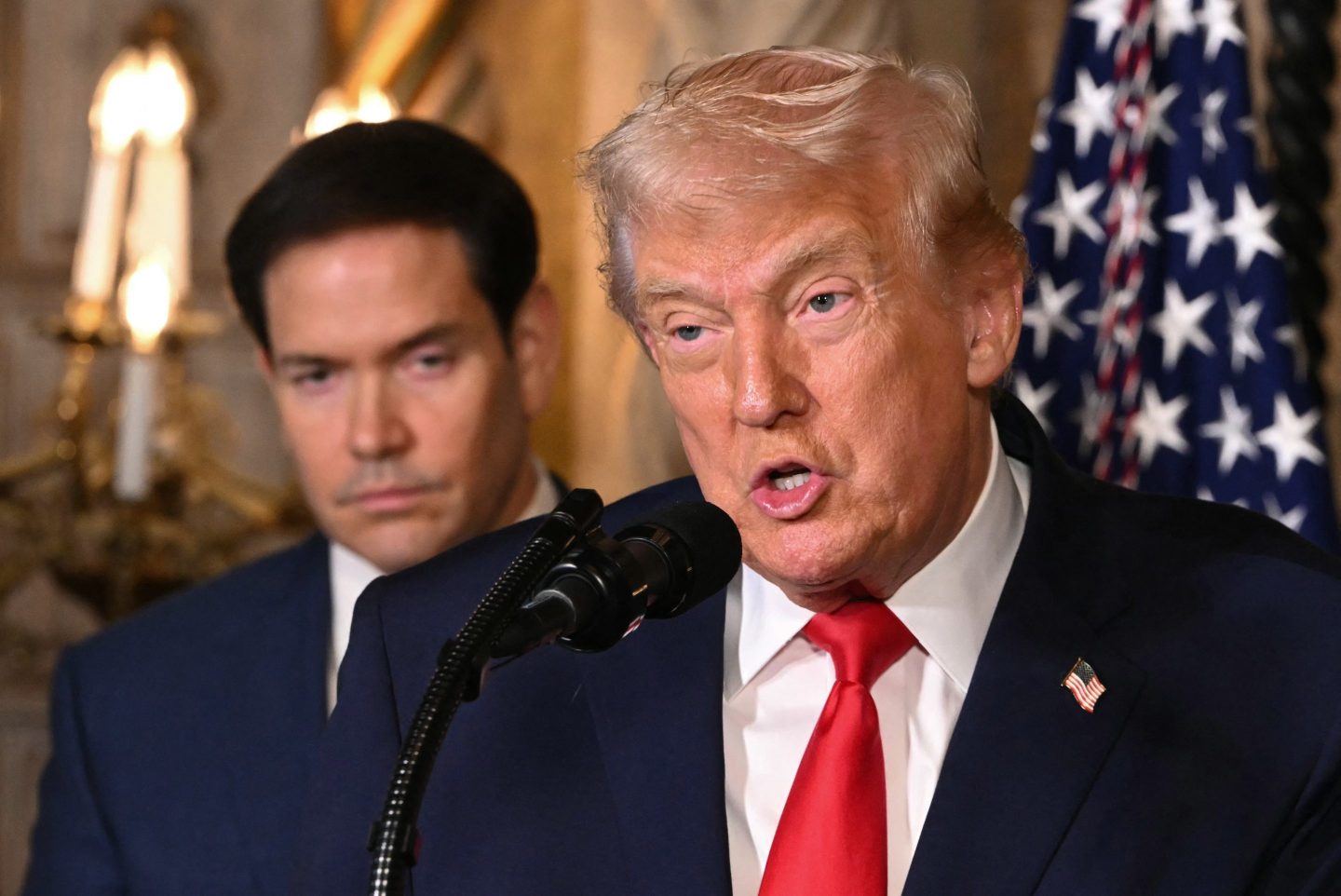
The current occupant of the White House embodies this disturbing trend. His influence over other world leaders compounds the problem, with crackdowns on undocumented “aliens” now a contagion across Europe and elsewhere.
Still, a counter trend is happening in, of all places, the private sector. Social investors and even social investment funds have increased in both number and size. These groups are prepared to make less in profit if their money is used for “good” causes – providing clean water, housing disaster victims. For example, the Connecting Business Initiative, launched at the World Humanitarian Summit in Istanbul in 2016 to focus on helping out in disasters, has grown into a network of 22 business groups. The latest figures report that it has lent a hand in 213 crises, helped more than 6 million people and generated $144 million in aid.
When I was growing up in Manila, one of my boyhood heroes was Bobby Kennedy. His words inspired in me an idealism and an ambition to help people that persist to this day. It is his voice I often hear now.
“Poverty is indecent, Illiteracy is indecent,” he once said. “We cannot afford to forget that the real constructive force in this world comes not from tanks or bombs but from the imaginative ideas, the warm sympathies and the generous spirit of a people.”
“What we need in the United States,” he said soon after Martin Luther King Jr. Was assassinated, was neither division nor hatred nor violence nor lawlessness, but, rather, “love and wisdom and compassion toward one another and a feeling of justice towards those who still suffer.”
How do we cultivate compassion? Political and religious leaders can inspire and appeal to our better instincts. Community engagement initiatives such as Beyond Us & Them can foster social connection and build resilient communities. Schools can heighten awareness of the problem and integrate empathy in the curriculum. The Jesuits have an immersion program where high school students spend days living with poor people. Canada has a Roots of Empathy initiative that brings infants into the classroom where students can engage with them. Values are learned when we are young. Parents and even the movies and sports play a role in developing who we are as people.
By using these channels and strategies, we can work together to fight against a decline in empathy and carve out a future characterized by understanding and compassion.
Empathy gives meaning to our lives. It’s part of what makes us human. We can’t afford to let it die.
The opinions expressed in Coins2Day.com commentary pieces are solely the views of their authors and do not necessarily reflect the opinions and beliefs of Coins2Day .