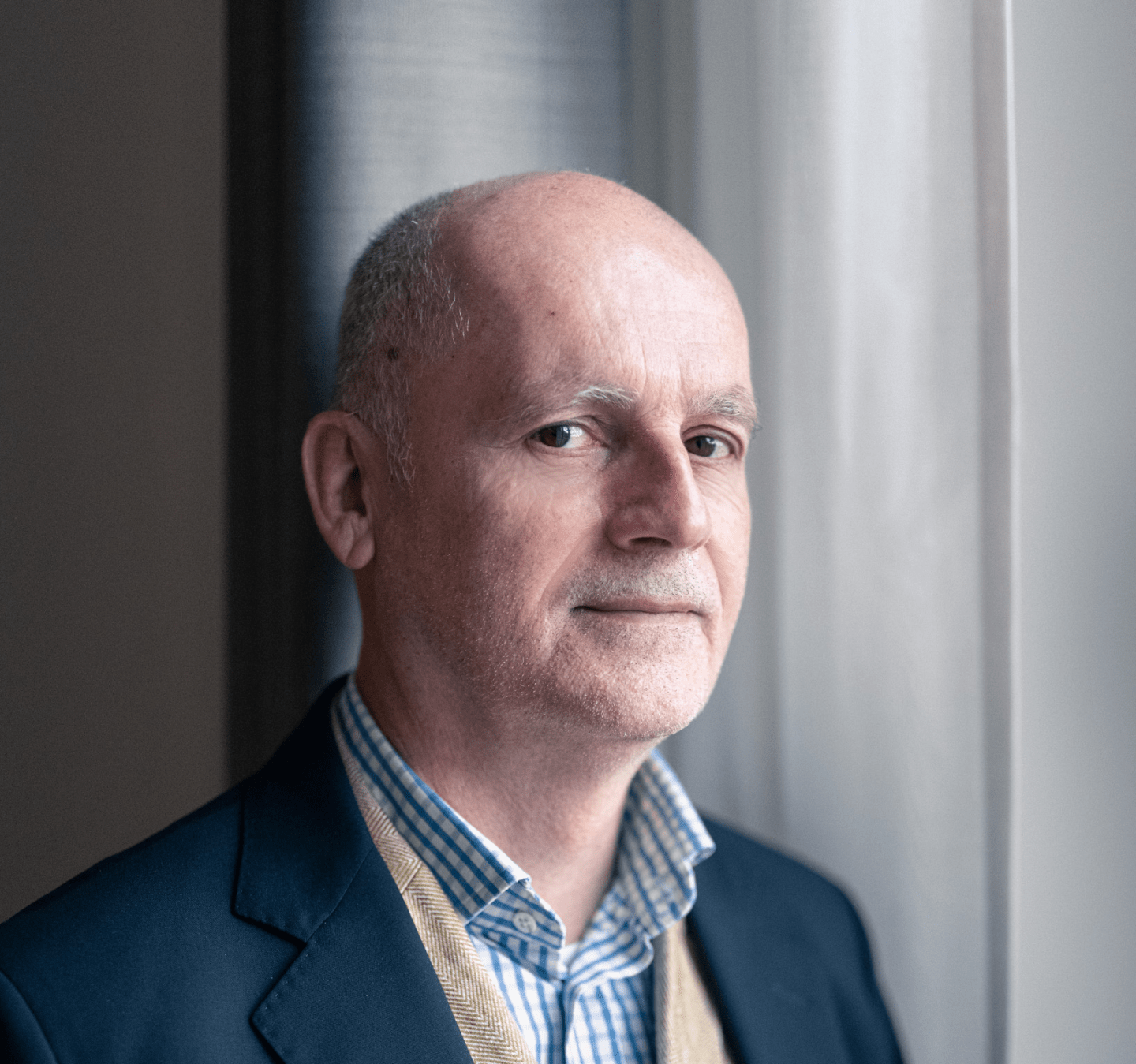
Everywhere you turn in Davos this year, people are talking about trust. And there’s no one who knows trust better than Richard Edelman. Back in 1999, Edelman was on the cusp of taking over the PR firm founded by his father Daniel. Spurred by the 1999 WTO protests in Seattle, he decided to try and measure the level of trust in NGOs compared with business, government and media, Edelman surveyed 1,300 thought leaders in the U.S., U.K., France, Germany and Australia, and the Edelman Trust Barometer was born.
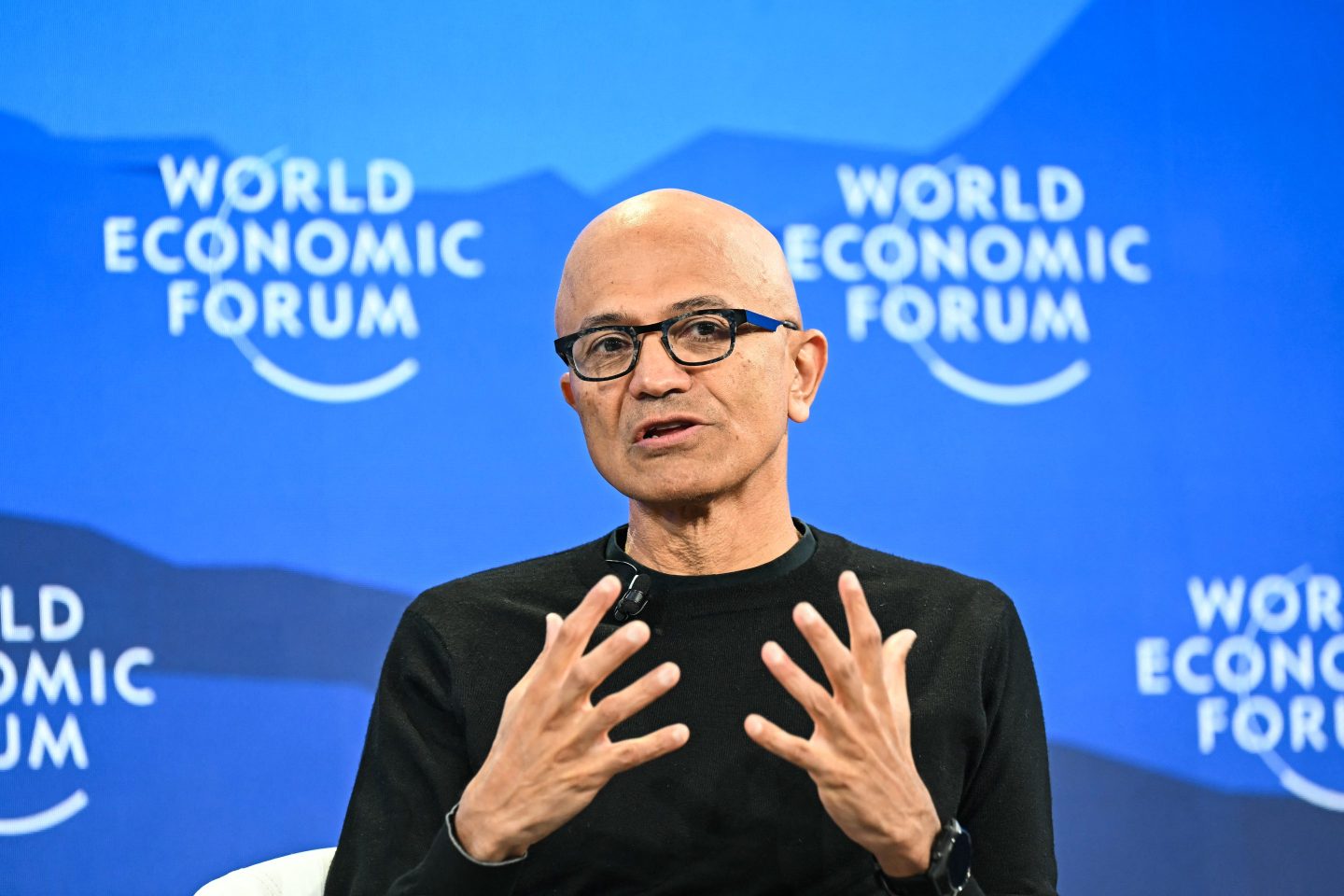
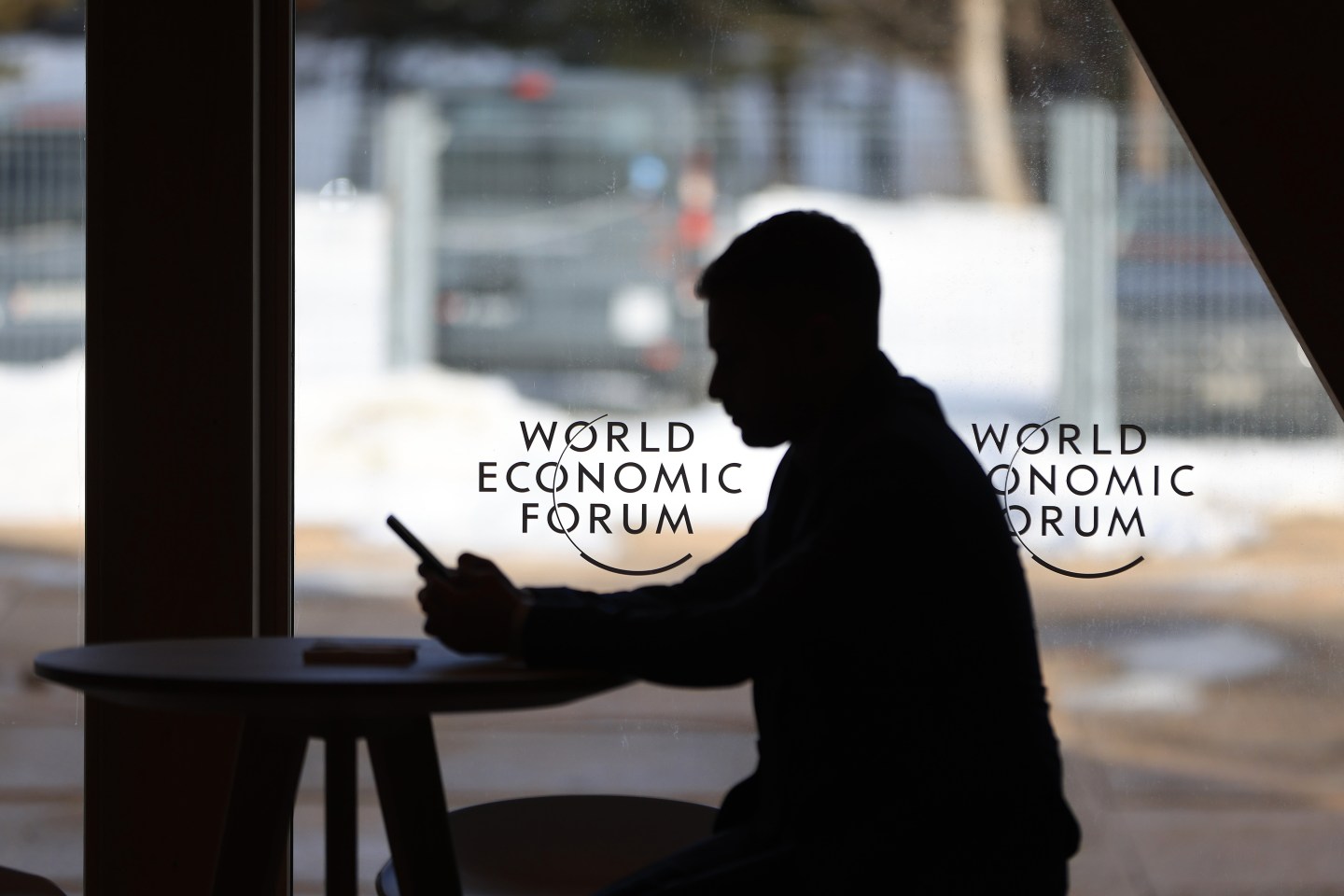
While the survey sample long ago expanded beyond elites to include about 34,000 respondents in 28 nations, its results are still unveiled and debated every year at the ultimate gathering of elites: the World Economic Forum. This year’s findings are grim: About 70% of respondents now have an “insular” mindset: they don’t want to talk to, work for, or even be in the same space with anyone who doesn’t share their world view. And “a sense of grievance” permeates the business world, Edelman finds. At Davos, debating such findings have spawned a series of dinners, panels, cocktails and media briefings on site. What better place to bring people together than the world’s most potent village green?
I moderated a CEO salon dinner with about three dozen leaders last night to discuss what they’re seeing and doing when it comes to building trust. Before the dinner, I asked Edelman what he’d like to see this year, after 26 winters of highlighting the erosion of trust. “Urgency,” he said. “A sense that time is running out.”
Because the gathering itself was held under the Chatham House rule, I won’t share names and direct quotes. But the focus was on how attendees are trying to address the problem through what Edelman calls “trust brokering,” or finding common ground through practices from nonjudgemental communications to “polynational’ business models that invest in long-term local relationships. (See the report for more information.) There were some success stories from the front lines of college campuses, politics and industries caught in a crossfire of misinformation.
Still, the mood was somewhat subdued, with a sense that there’s no easy fix to building trust. As one CEO pointed out, rarely have leaders faced such a confluence of geopolitical crises, tech shifts, economic divides, disinformation, job disruption and wicked problems. And as much as Davos is a great gathering ground to talk through all of these problems, the fact is the problems will all still be waiting once these CEOs return from the mountains.