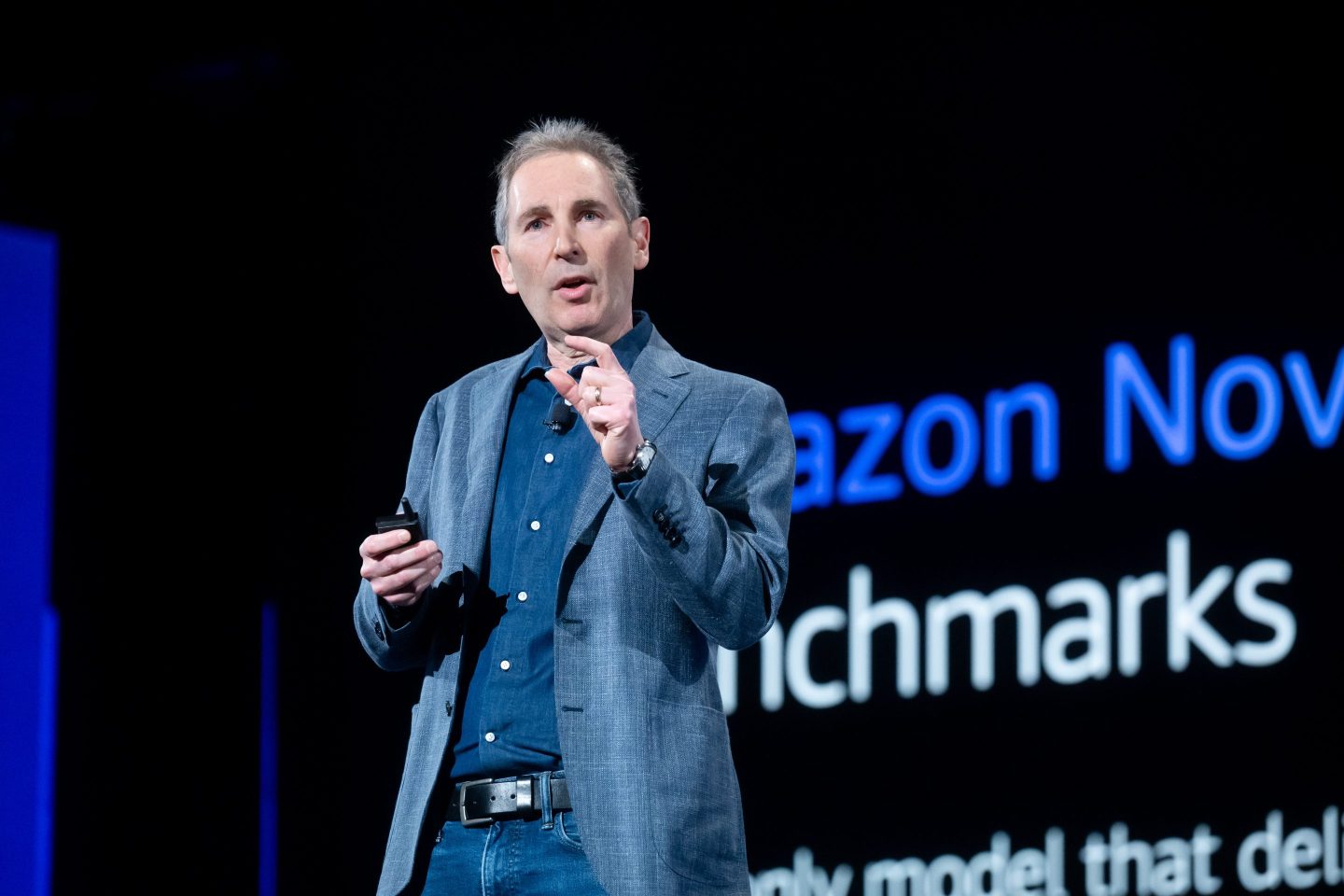
As Americans’ wallets start to feel the weight of tariffs, Amazon CEO Andy Jassy said the bill is coming due soon.
“You start to see some of the tariffs creep into some of the prices,” Jassy said in an interview with CNBC at the World Economic Forum in Davos, Switzerland. “Some sellers are deciding that they’re passing on those higher costs to consumers in the form of higher prices. Some are are deciding that they’ll absorb it to drive demand and some are doing something in between.”
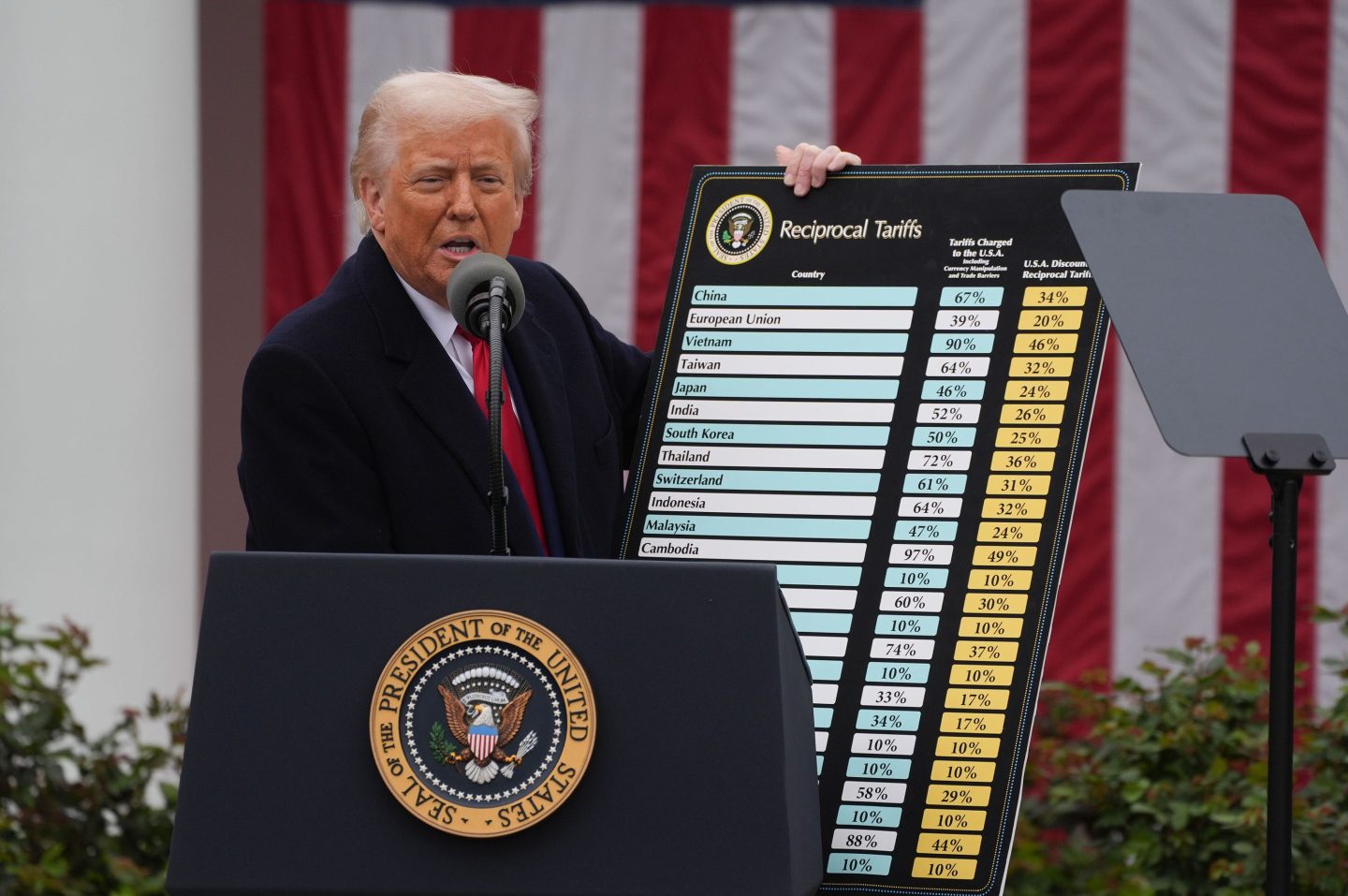
Jassy’s comments were a reversal from July, when he said the tariffs’ effect on retail prices and consumption was “misreported” and it was too soon to tell how tariffs would affect prices. These statements were made before President Donald Trump implemented “reciprocal tariffs” on dozens of countries in August.
In May, Jassy encouraged sellers to stock up on inventory in anticipation of the tariffs and said Amazon would do the same to keep prices down. Most of that supply ran out by the fall, he said, and now, consumers are seeing the price hikes.
Tariffs have raised $200 billion in revenue for the US Treasury, but a recent study found that American consumers are absorbing 96% of tariff costs.
A change in tune
Jassy had previously said that tariffs might not be the worst situation for all Amazon’s sellers. “I think when you’ve got larger diversity like we have, we have a better chance of some of those sellers deciding that they’re going to capture [market] share, and they’re not going to pass on all or any of those tariffs to customers,” Jassy said at Amazon’s Q1 earnings call last year.
The CEO said that Amazon was working with distributors and its two million sellers to keep prices “as low as possible” for customers.
Coins2Day previously reported some merchants on the platform said were penalized and experienced major sales declines after raising prices in 2025. The sellers explained that Amazon removed the “Add to Cart” or “Buy Now” buttons on their product pages, which the majority of shoppers use to make purchases.
In the past, Amazon has suppressed easily accessible buy buttons to prevent price-gouging or pressure brands to lower prices to match pricing on their own website or competitors. This tactic is the subject of the Federal Trade Commission’s ongoing antitrust case against Amazon.
Anthony Preston, the owner of a wall sticker brand sold on Amazon called Wall Decals, previously told Coins2Day that he was penalized after he raised prices by about $2 on the platform, a 5% to 10% increase on average. Preston sourced his products from China, which cost him 25% more with tariffs.
“This is [sellers] trying to keep their head above water,” Preston said.
When asked about new strategies for keeping prices down, Jassy admitted that there are fewer options than before.
“Retail is a mid-single-digit operating margin business. If people’s costs go up by 10%, there aren’t a lot of places to absorb it,” he said. “‘We’re going to do everything we can to work with our selling partners to make prices as low as possible for consumers, but you don’t have endless options.”