
A carousel of CEOs has paraded through the White House since President Trump was elected a little over a year ago—they even made up a front-row bench at his inauguration. This isn’t unusual; in fact, it’s entirely expected that the president might want to engage with the private sector.
But when does that relationship get too close for comfort?
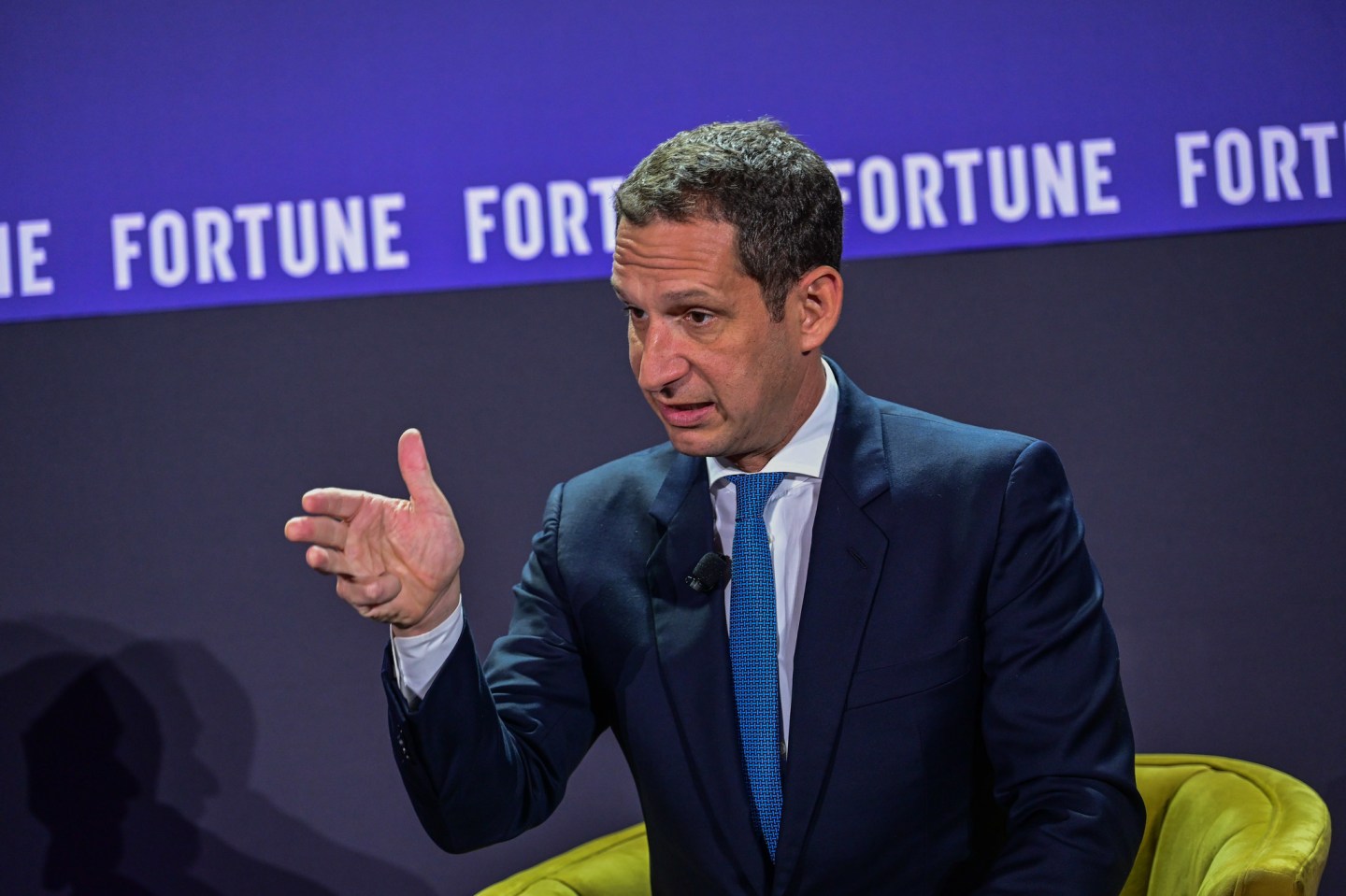
The nature of the relationships between top brass at America’s largest business and the Oval Office is beginning to make some people uncomfortable: As Citadel CEO Ken Griffin warned this week, “when the U.S. Government starts to engage in corporate America in a way that tastes of favoritism, I know for most CEOs that I’m friends with, they find it incredibly distasteful.”
Trading conditions under Trump 2.0 have been markedly different than the previous decade, throwing markets and executives into disarray. In the volatility following Trump’s Liberation Day announcement in April, Griffin said the sight of business leaders lining up at the Oval Office door to request exceptions to the new duties was “nauseating,” and that the White House showing favor to certain companies undermines the American Dream.
An environment addled by politics isn’t one most CEOs relish, Griffin, 57, told the Wall Street Journal’s Invest Live conference yesterday. He said founders and leaders “want to go run our businesses and win on the merits of providing a better customer to our products at a lower price. Like that’s how we win.”
Griffin warned executives are thinking, ‘I’m close to this administration, but does that mean the next administration is going to grant a favor to one of my competitors, or take a favor away from me, because I don’t support them publicly?’
This second-guessing isn’t conducive to decision-making, Griffin added: “Most CEOs just don’t want to find themselves in the business of having to, in some sense, suck up to one administration after another to succeed in running their business.”
Griffin, himself a top GOP donor, has been something of a critical friend to the White House. He has been candid in his warnings, but has also highlighted Trump’s return to the Oval Office was a welcome relief from the “regulatory onslaught” companies faced under Biden.
Speaking to Fox Business weeks ago, Griffin (a native Floridian who has shifted his operations away from New York and in the direction of the Sunshine State) said to have that “literally end on one day—Election Day—just gives you so much energy as an entrepreneur to go back and build your damn business.”
That said, the man worth $51.2 billion, per Forbes, also highlighted the individual gains extended to the families of the Trump administration. “One of one of the things that you want to believe is that those who serve the public interest have the public interest at heart in everything they do,” he said. “And I think that that this administration has definitely made missteps in choosing decisions or courses that have been very, very enriching to the families of those in the administration.”
‘Extinguished’ voice of corporate America
While Griffin was critical of CEOs using their position for individual benefit, he made it clear the opinions of corporate leaders should still bear weight in national conversation.
Companies caught in “the whole woke movement” served as a lesson to corporate leaders that consumers could make or break their business overnight, said Griffin, claiming it had “created a level of fear and apprehension amongst the corporate CEO class to insert themselves in any publicly facing issues these days.”
Griffin pointed to Tesla CEO Elon Musk, who served a brief stint in the White House, leading the highly controversial Department of Government Efficiency (DOGE). DOGE’s work was heavily criticised, as it included slashing billions from foreign aid budgets, which philanthropists like Bill Gates warned would lead to the deaths of millions of children.
Tesla suffered a boycott with cars, showrooms, and charging points damaged beyond repair not only in the U.S. But also across Europe. A couple of examples include Molotov cocktails being thrown at vehicles in Las Vegas, gunshots fired at a showroom in Portland, Oregon and charging points set on fire in Boston, Massachusetts.
While Griffin admitted “we can do more than quibble about some of the choices or things that [Musk] said,” he added, “we should admire that willingness to give up oneself to make our country better.”
“We need the voices of America’s corporate leadership in the halls of Washington, in the front page of papers to talk about the issues that we need to have for domestic prosperity,” Griffin continued.