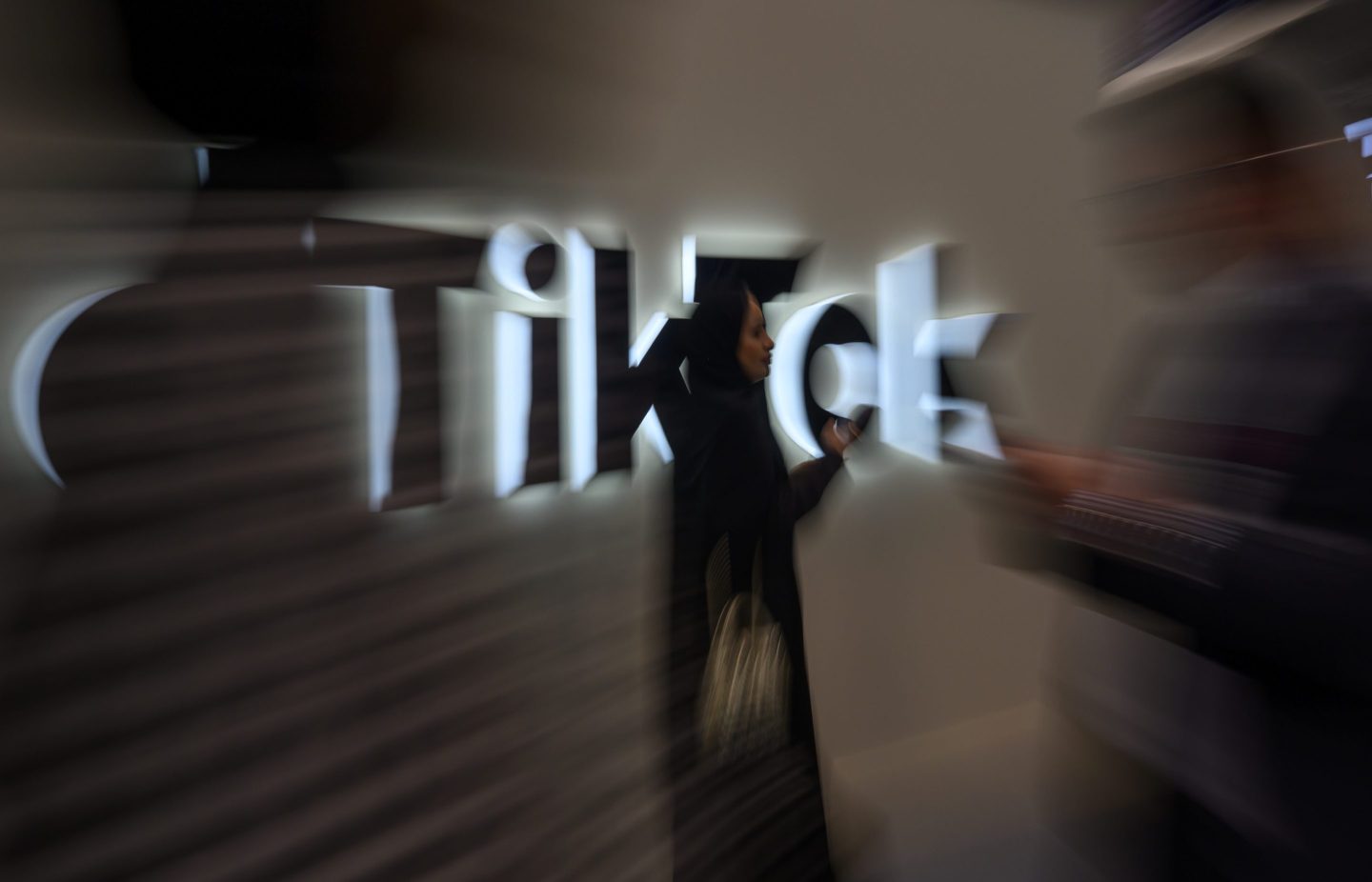
Gen Z creators in the U.S. Are staging a quiet revolt against TikTok’s new American owners, and their protest is happening one download at a time: by installing a rising alternative app built by a former Oracle employee.
In January, TikTok’s U.S. Operation was formally split from its global business and placed under a new joint venture in which Oracle holds a major stake, with the enterprise software giant now responsible for American user data and a U.S.-run version of TikTok’s recommendation algorithm. The shift capped years of political pressure and delivered what backers framed as a national‑security victory, but on the ground, many young users saw something else: a beloved app becoming an instrument of corporate and political power.
On TikTok itself, creators have been posting furious explainers about the ownership shift, alleging future censorship of pro‑Palestinian speech and warning followers not to “feed your data to Oracle.” That anger has created the perfect runway for a rival platform whose origin story intersects directly with Oracle’s, while promising to break with everything Gen Z associates with it. At the same time, as influential tech journalist Casey Newton noted, TikTok’s algorithm seemed to fail immediately after the handover, leaving its largely Gen Z fanbase frantically seeking an alternative to the addictive feed.
In late January, as TikTok’s U.S. Ownership shifted, the app suffered a widely discussed algorithm meltdown that flooded For You Pages with what users derided as “slop.” The glitch hit at a moment when Gen Z was already questioning how recommendation systems distort reality, serve irrelevant life‑stage content, and turn every feed into an infinite scroll of lowest‑common‑denominator virality. The r/TikTok feed on Reddit featured an upvoted post that simply said, “R.I.P. TikTok, 2016-2026.”
When TikTok’s machine broke in public
UpScrolled quietly launched in 2025, but its breakout came in January, right as TikTok’s U.S. Spinoff went live, and frustration with the algorithm spiked. Hijazi told TechCrunch that the platform ballooned from around 150,000 users to more than 1 million in a matter of days and has now zoomed past 2.5 million users, driven largely by people seeking an escape from TikTok’s “broken” feed.
From Oracle data pipes to an Oracle alum’s alternative
The irony powering the rebellion is sharp: TikTok’s U.S. Operation now runs on Oracle’s infrastructure and oversight, while one of Oracle’s former engineers is behind the app many users are downloading in protest. Posts on X and TikTok call this out directly, painting Hijazi as a kind of insider‑turned‑dissenter who once contributed to Big Tech systems and is now trying to build around their flaws after watching algorithms misrepresent reality and mute certain voices.
For Gen Z, that backstory matters because it ties their distrust of TikTok’s new stewards—Oracle, U.S. Investors, and the political class—into a personal narrative: someone who knows the guts of the old machine is arguing it’s structurally broken and offering a different model.
Anti‑censorship in a “broken algorithm” era
One of the biggest beneficiaries so far is UpScrolled, a social network that blends elements of Instagram and X while promising a more open approach to speech and reach. At Web Summit Qatar, founder Issam Hijazi said UpScrolled had “zoomed” from roughly 150,000 users in early January to more than 1 million in a matter of days, and as of this week, has now passed 2.5 million users globally.
UpScrolled gained prominence precisely as TikTok’s U.S. Ownership deal closed, with many users explicitly framing their sign‑ups as a protest against what they see as a corporatized, domesticated version of TikTok. In creator group chats and Discords, screenshots of home screens show TikTok pushed into a side folder while UpScrolled moves to the dock.
UpScrolled promises no shadow‑bans and a more transparent approach to moderation, with community rules against violence and hate but without the opaque, life‑script‑locking personalization that many Gen Z users now blame for their “brain rot.” It is not fully analog—this is still a social app—but it fits into a broader youth push to reclaim attention, whether through “dumb phones,” print zines, or slower, less gamified online spaces.
From Oracle data pipes to an Oracle alum’s alternative
The irony powering the rebellion is sharp: TikTok’s U.S. Operation now runs on Oracle’s infrastructure and oversight, while one of Oracle’s former engineers is behind the app many users are downloading in protest. Posts on X and TikTok call this out directly, portraying Hijazi as an insider‑turned‑dissenter who once contributed to Big Tech systems and is now trying to build around their flaws after seeing algorithms misrepresent reality and mute certain voices.
For Gen Z, that backstory matters because it ties their distrust of TikTok’s new stewards—Oracle, U.S. Investors, and the political class—into a personal narrative: someone who knows the guts of the old machine is arguing that it’s structurally broken and offering a different model.
Oracle and UpScrolled did not immediately respond to requests for comment.
For this story, Coins2Day journalists used generative AI as a research tool. An editor verified the accuracy of the information before publishing.