Claudia Sahm thinks investors should rethink what they’re salivating for.
TL;DR
- Former Fed economist Claudia Sahm warns investors against desiring more interest rate cuts.
- Sahm believes further cuts signal a weakening economy, not a healthy one.
- She emphasizes the Fed should rely on economic data, not political influence.
- Sahm suggests the current cut might be the last under Fed Chair Jerome Powell.
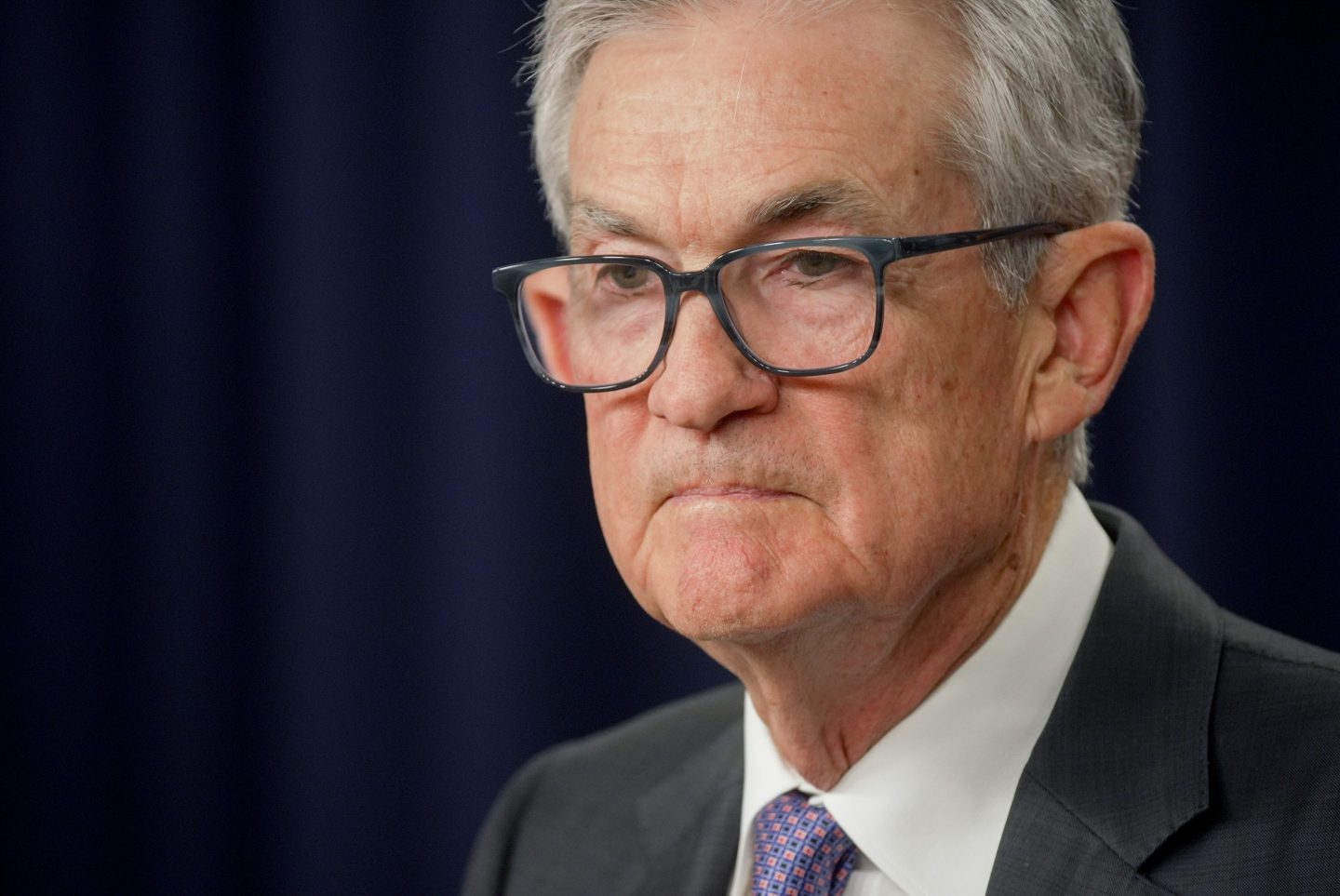
The Federal Reserve is likely to deliver its third interest rate cut of the year on Wednesday, a decision widely interpreted as a safeguard against a complete collapse in the job market. However, for Sahm—a former Fed economist, recession-indicator architect, and one of the central bank’s most closely observed external analysts—the more significant inquiry isn't the Fed's action on Wednesday. It concerns the implications of further reductions.
“If the [Jerome] Powell Fed ends up doing a lot more cuts,” she told Coins2Day ahead of the decision, “then we probably don’t have a good economy. Be careful what you wish for.”
This perspective clashes with the prevailing sentiment on Wall Street, where rate reductions have lately been met with automatic approval and futures markets are already pricing in a second round for easing in 2026. However, Sahm believes investors should only desire further cuts if they are ready to celebrate an economic downturn.
Powell’s last stretch, and the hardest one
Sahm expects the Fed’s cut today—almost universally anticipated in futures markets—to be paired with language that raises the bar for any move in January. With the core inflation rate still sticky at 2.8%, higher than the Fed’s preferred rate of 2%, and unemployment rising, the Fed is straddling both halves of its mandate.
“It is a tough one,” Sahm said. “Whatever they do could upset the other side.”
That tension is especially sharp because Fed Chair Jerome Powell is nearing the end of his term. He has three meetings left—January, March, and April—before the administration installs a successor, but President Donald Trump will announce his pick for the new chair (widely believed to be White House advisor Kevin Hassett) around Christmas. Once he does that, Powell effectively becomes a “lame duck” Fed chair, although Sahm notes that “frankly, he has been one for some time,” since Trump, who has grown to loudly despise his nominee, was elected.
“Feels like in a way the last Powell Fed meeting,” Bloomberg’s Conor Sen wrote on X.
For Sahm, the crucial point currently is that policy is being guided by economic figures, not political considerations. She cautions that this situation might shift next year if the Federal Reserve becomes more politically influenced.
The labor-market signal the Fed is watching
Sahm's attention is directed not toward the prominent interest rate reduction, but rather the inherent vulnerability within the employment sector that the Federal Reserve aims to safeguard against.
Unemployment has risen three months in a row through September. Hiring has slowed to levels that historically place upward pressure on unemployment, “because you always have people coming into the labor market,” she said.
Nonetheless, job cuts haven't escalated significantly. This is precisely the reason Sahm believes it's perilous to depend on initial jobless claims for evaluating labor-market hazards.
“Initial claims don’t give you a sense of what’s coming,” she said. They’re what economists like to call a lagging indicator, meaning they tend to spike after a recession is underway, not before it. Recent weekly readings, distorted by holidays and special factors, are even less informative.
The real risk, in her view, is that the Fed waits too long.
“If the Fed waits until they see signs of deterioration,” she said, “they’ve waited too long.”
Sahm anticipates Powell will maintain the possibility of further easing, but will stress that each subsequent reduction needs more compelling reasons.
“If Powell talks about the funds rate getting close to neutral,” Sahm said, “that tells you it’s a pretty high bar to keep cutting. Every cut takes pressure off the economy, and inflation is still elevated.”
This communication—raising the standards while still relying on data—is how Wall Street might understood the “hawkish cut.”
Sahm, however, emphasizes that the Federal Reserve shouldn't limit its options. The employment figures for December will be released merely a week following the current press briefing. Announcing success—or proclaiming the interest rate reduction period to be concluded—would leave Powell vulnerable to being caught off guard right away.
“If all goes well,” she said, “this could be the last cut of the Powell Fed.”